Current Situation & Pricing Overview 2026 in Croatia
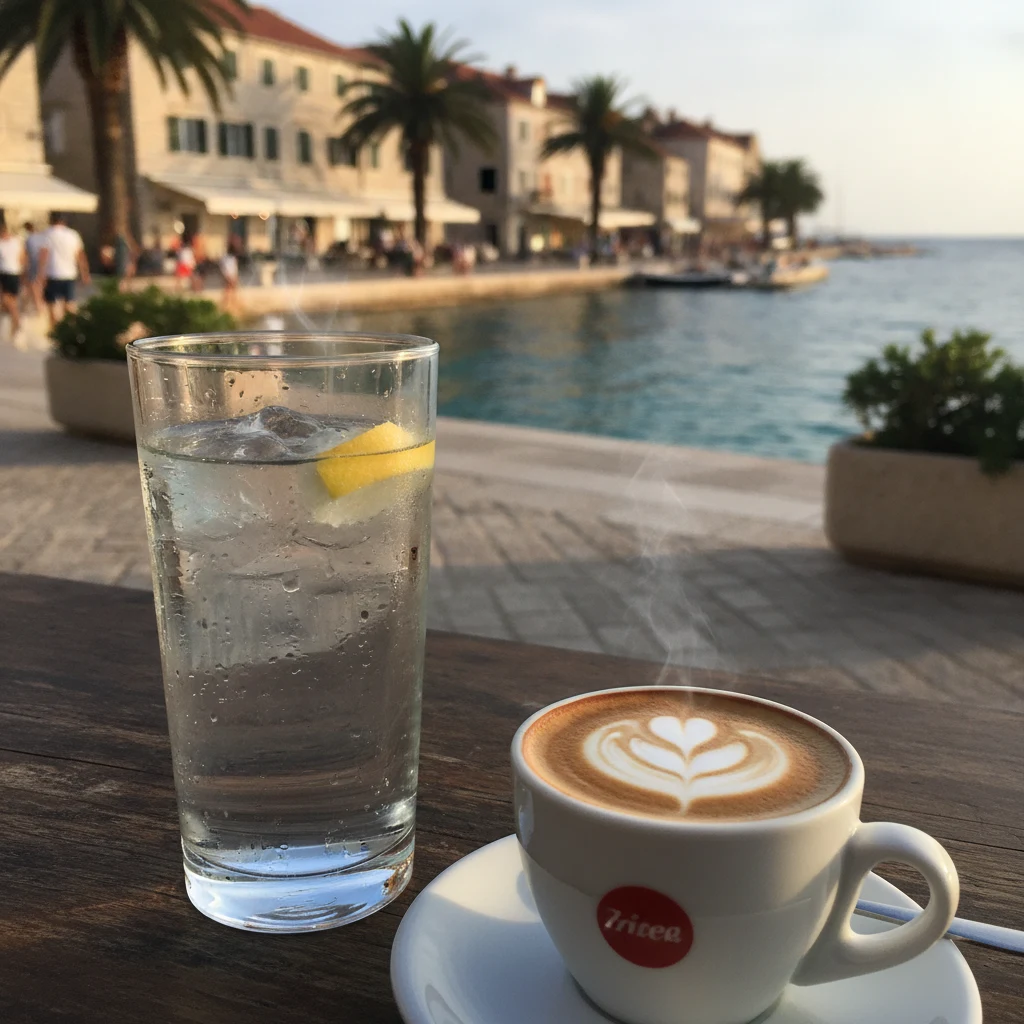
As Croatia continues to adapt to the Euro, the pricing landscape for coffee and soft drinks has seen notable changes. Following the Euro adoption, inflation has slightly impacted prices, but overall, Croatia remains an affordable destination for beverage enthusiasts. Visitors can expect to pay between 1.20 € and 5.00 € for various coffee and soft drink options, depending on the location and time of year.
- Informative estimated average prices in Euros (€)
- Transparent low vs. high peak season price breakdown below
Comprehensive Price Breakdown & Comparison Table 2026
| Item | Low Season Price (€) | High Season Price (€) | Notes |
|---|---|---|---|
| Espresso | 1.20 | 3.00 | Standard price in cafés |
| Cappuccino | 2.00 | 4.50 | Varies by location |
| Latte | 2.50 | 5.00 | Popular in tourist areas |
| Soft Drink | 1.50 | 3.50 | Can prices in bars |
| Local Beer | 2.00 | 5.00 | Varies by establishment |
| Mineral Water | 1.00 | 2.50 | Commonly served |
Regional Price Variations (Islands vs Coastal vs Inland)
Prices for coffee and soft drinks can vary significantly across different regions of Croatia. Coastal areas, especially popular islands like Hvar and Korčula, tend to have higher prices due to tourism. For instance, a cappuccino in Hvar might cost around 4.50 €, while in inland towns, it could be as low as 2.00 €.
- Dubrovnik: Expect to pay premium prices, especially in the Old Town.
- Split: More moderate prices, with local cafés offering competitive rates.
- Rovinj: A mix of tourist and local pricing; look for hidden gems away from the main promenade.
Insider Money-Saving Tips & Tourist Traps to Avoid
To make the most of your budget while enjoying coffee and soft drinks in Croatia, consider these insider tips:
- Marenda: Look for local lunch specials, often including a drink at a reduced price.
- Grocery Shopping: Purchase soft drinks at supermarkets for lower prices compared to bars.
- Avoid Dynamic Currency Conversion: Always choose to pay in local currency to avoid unfavorable exchange rates.
- Ask for Receipts: In Croatia, it's important to request a fiscal receipt ('Fiskalni račun') for transparency and potential warranty claims.
Payment Rules, Card Acceptance & Fiscal Receipts
In Croatia, most establishments accept credit and debit cards, but cash is still widely used, especially in rural areas. It's advisable to carry some cash for smaller purchases. When paying, always ask for a fiscal receipt ('Fiskalni račun'), as it is a legal requirement for businesses and helps ensure that you are charged correctly.