Current Situation & Pricing Overview 2026 in Croatia
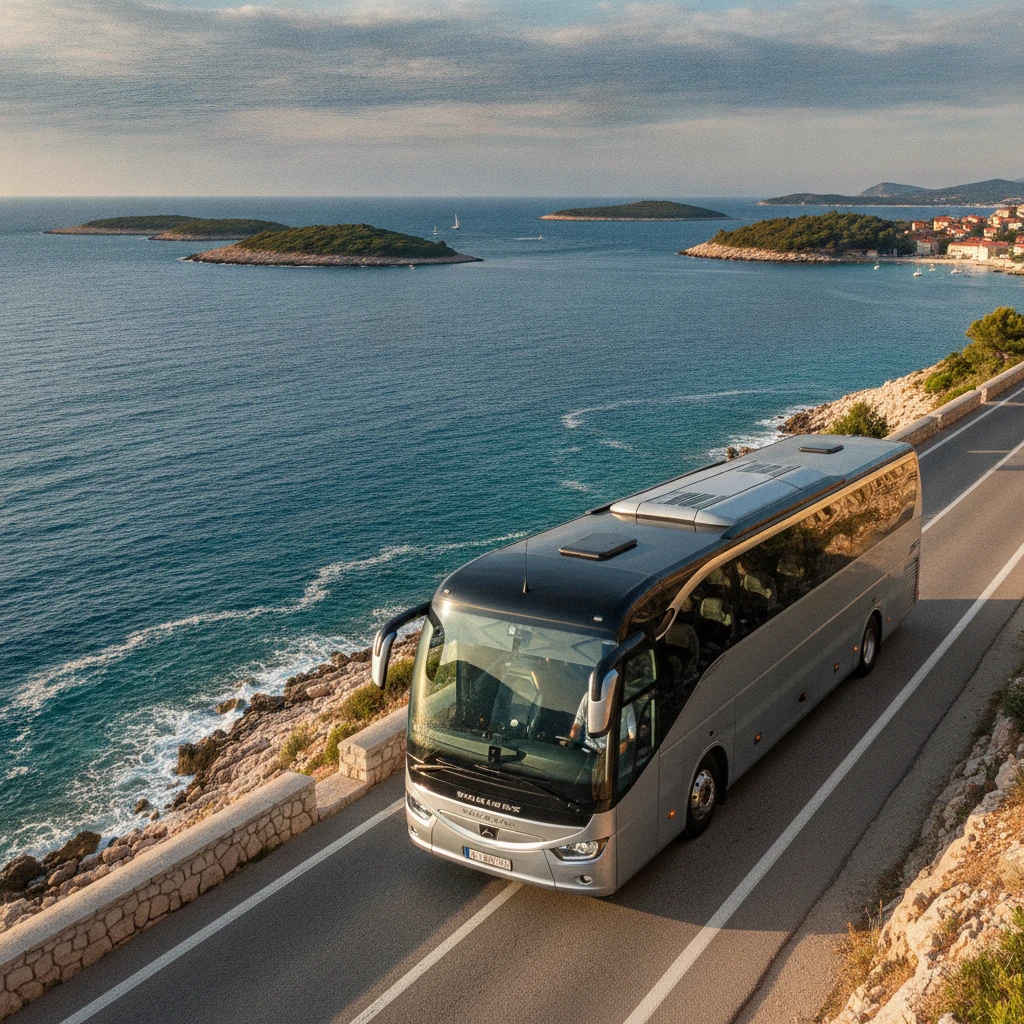
As of 2026, Croatia has fully integrated the Euro (€) into its economy, leading to significant changes in public transport pricing. After the adoption of the Euro, many prices saw a slight increase due to inflation and the adjustment of local pricing structures. Visitors can expect to pay between 1.50 € and 2.50 € for a single bus ticket in cities, while intercity travel can range from 10 € to 30 € depending on the distance. Ferries connecting the islands to the mainland are also reasonably priced, generally between 5 € and 20 €.
- Informative estimated average prices in Euros (€)
- Transparent low vs. high peak season price breakdown below
Comprehensive Price Breakdown & Comparison Table 2026
| Service | Low Season Price (€) | High Season Price (€) |
|---|---|---|
| Single Bus Ticket (City) | 1.50 | 2.50 |
| Intercity Bus Ticket | 10 | 30 |
| Ferry Ticket (Coastal) | 5 | 20 |
| Monthly Public Transport Pass | 40 | 60 |
| Taxi (City) | 5 | 15 |
| Bike Rental | 10 | 25 |
Regional Price Variations (Islands vs Coastal vs Inland)
Prices for public transport can vary significantly across different regions of Croatia. Coastal areas, particularly popular tourist destinations like Dubrovnik and Split, tend to have higher prices compared to inland regions. For instance, a ferry ticket to the island of Hvar may cost around 15 €, while a bus ticket from Zagreb to a smaller town may only be 10 €.
Island transport can be more expensive due to the limited number of services and the costs associated with operating ferries. In contrast, cities like Rijeka and Pula offer more competitive pricing due to higher competition among transport providers.
Insider Money-Saving Tips & Tourist Traps to Avoid
- Local Lunch Specials: Look for 'Marenda' specials in local eateries, which offer substantial meals at lower prices, typically around 8 € to 12 €.
- Grocery Shopping Hacks: Purchase snacks and drinks from supermarkets rather than tourist shops to save money.
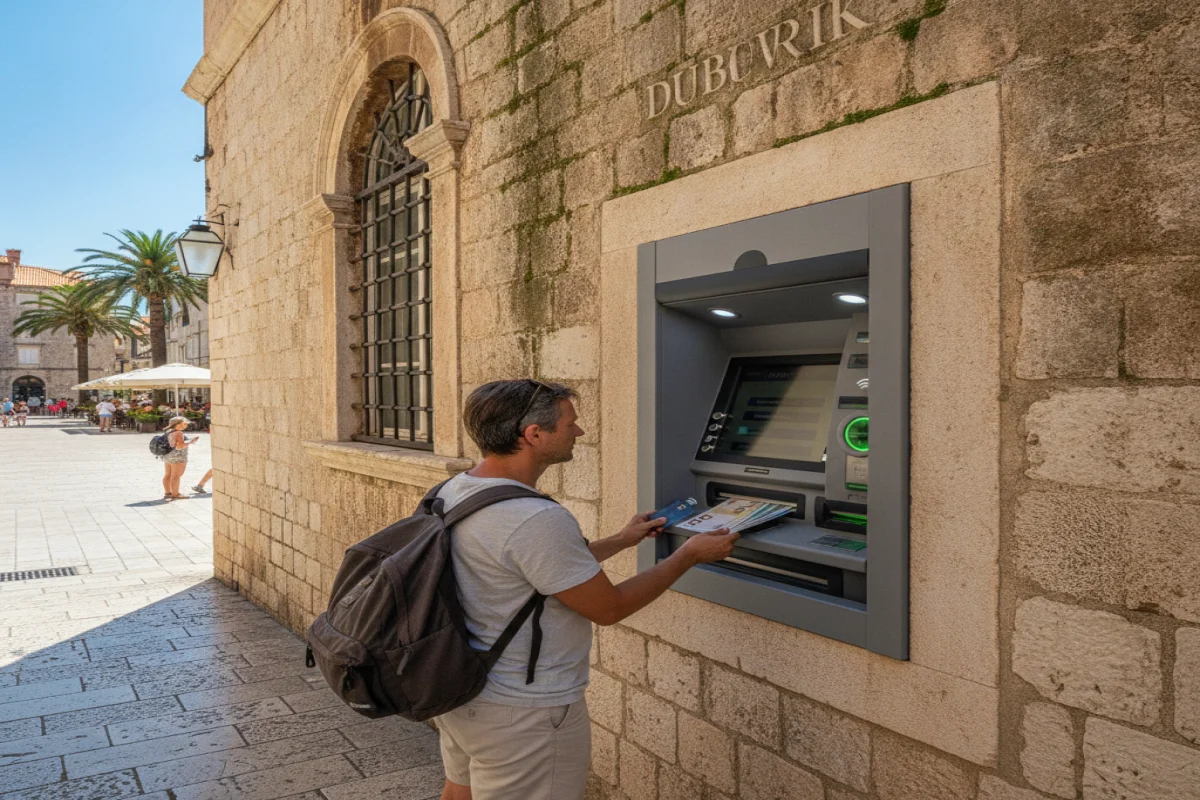
- ATM Traps: Avoid dynamic currency conversion at ATMs, as it often results in unfavorable exchange rates. Always choose to be charged in local currency.
- Tipping Etiquette: While not mandatory, rounding up the bill or leaving a small tip (around 10%) is appreciated in restaurants and taxis.
Payment Rules, Card Acceptance & Fiscal Receipts
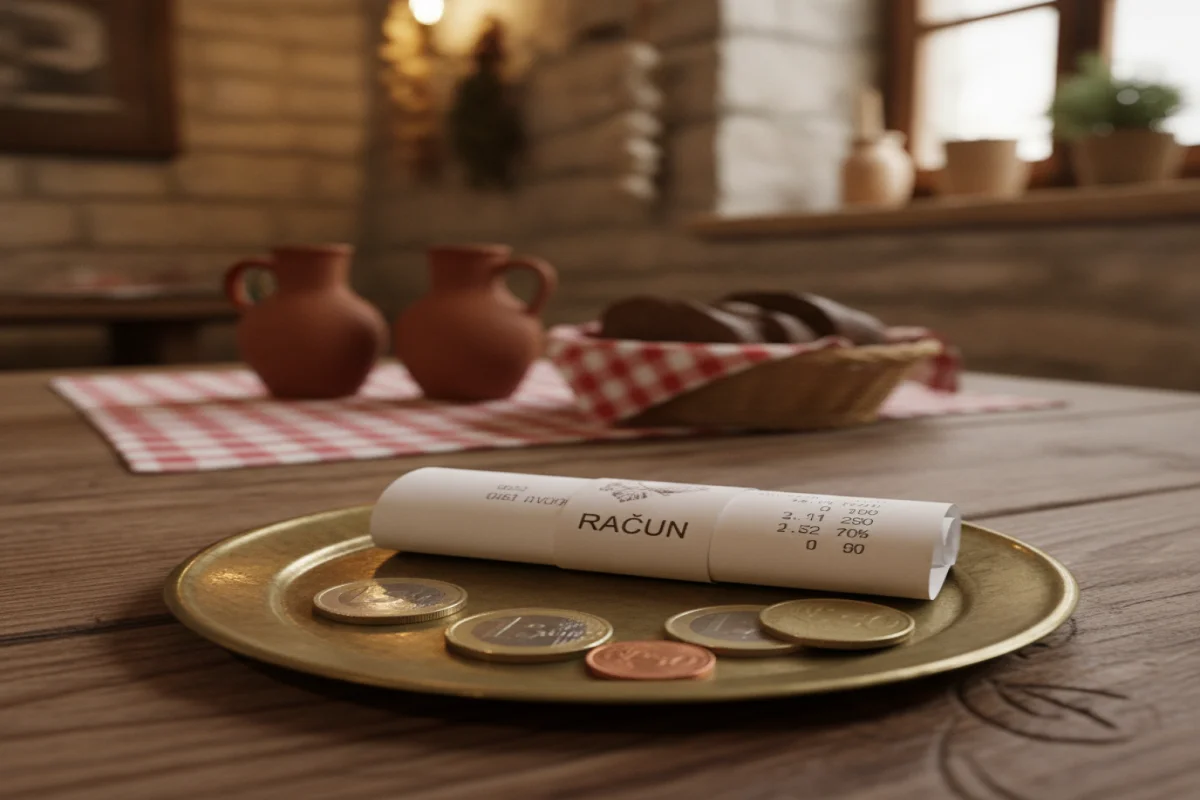
In Croatia, it is important to understand the fiscal law regarding receipts, known as 'Fiskalni račun'. Always ask for a receipt when making a purchase, as this is required by law and can be useful for any potential disputes.
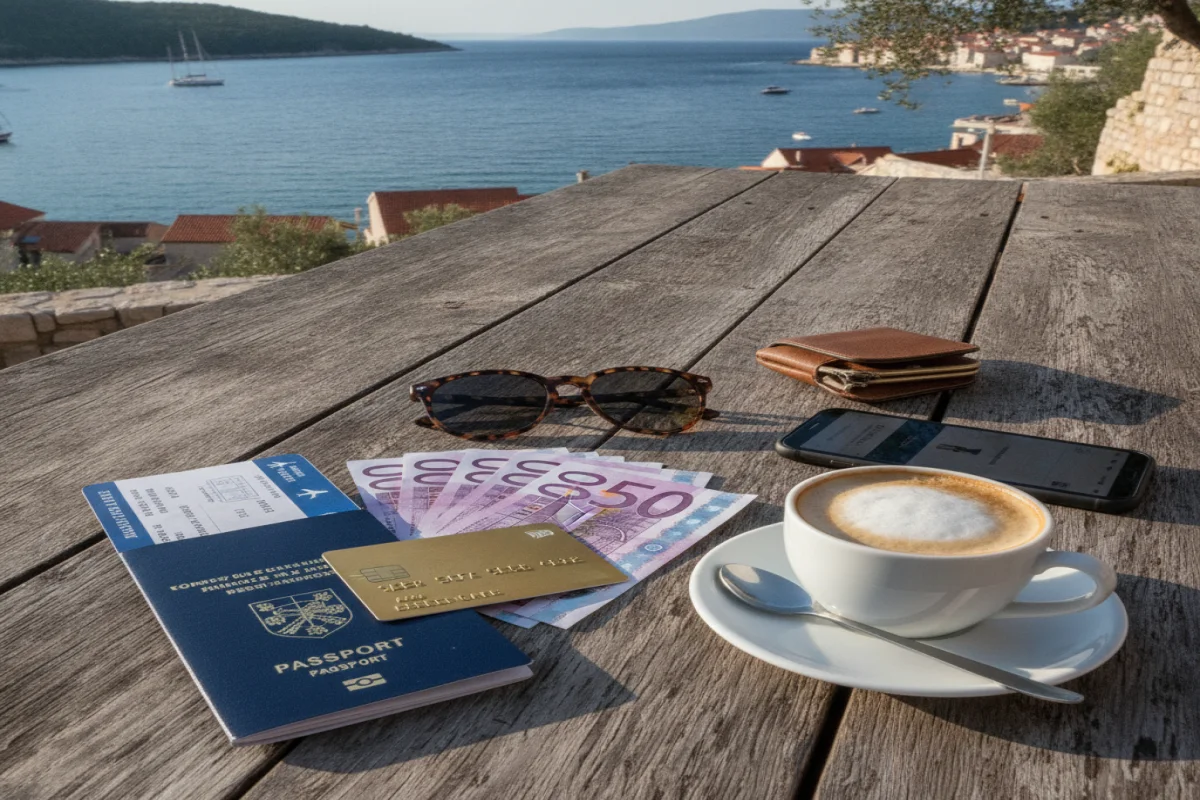
While credit cards are widely accepted in urban areas, smaller towns and rural areas may still prefer cash. It’s advisable to carry some cash, especially when using public transport or dining in local establishments.