Current Situation & Pricing Overview 2026 in Croatia
As of 2026, Croatia has fully embraced the Euro, leading to a significant shift in the pricing landscape. With inflation affecting various sectors, visitors can expect to pay slightly more than in previous years. However, the overall cost of living remains relatively affordable compared to many Western European countries. In coastal areas, especially during the summer tourist season, prices can increase substantially, particularly in popular destinations like Dubrovnik and Hvar. Understanding these changes is crucial for budgeting your trip effectively.
- Informative estimated average prices in Euros (€)
- Transparent low vs. high peak season price breakdown below
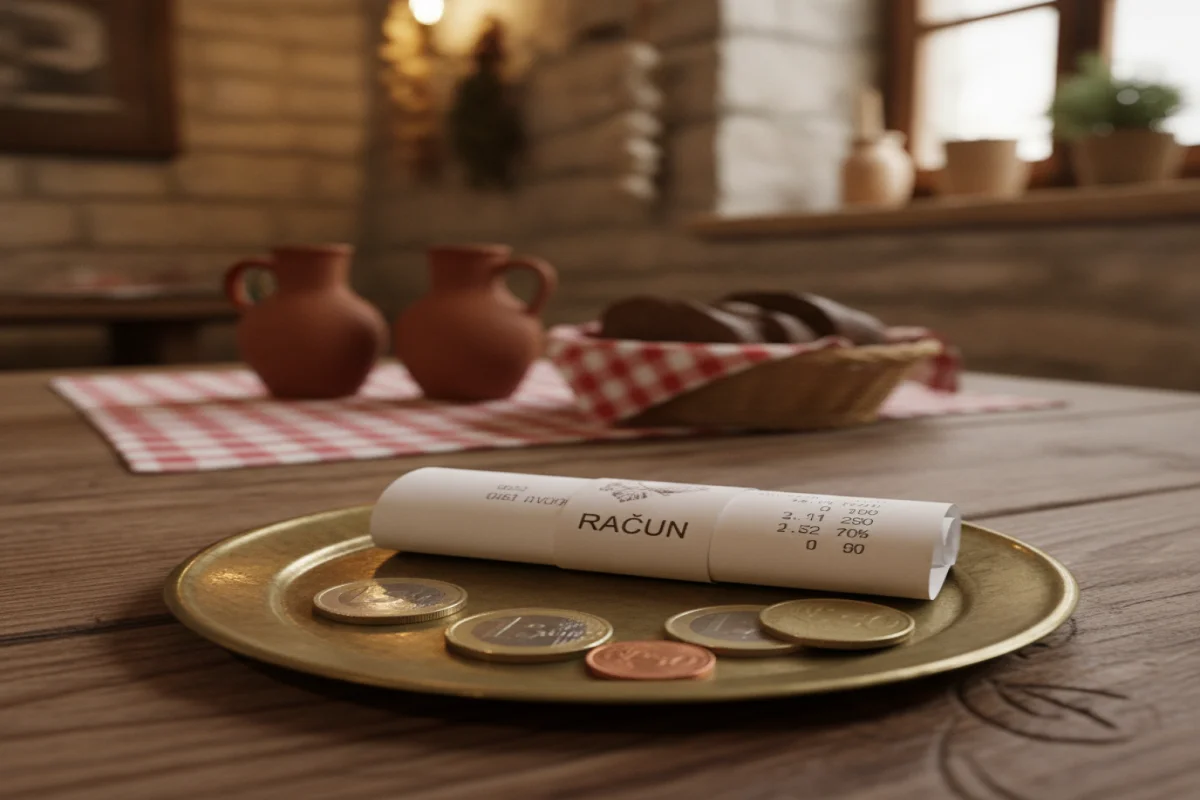
Comprehensive Price Breakdown & Comparison Table 2026
| Service | Low Season (€) | High Season (€) | Budget (€) | Luxury (€) |
|---|---|---|---|---|
| Restaurant meal (mid-range) | 15 | 30 | 15 | 30 |
| Coffee or drink at a café | 2 | 5 | 2 | 5 |
| Taxi ride (short distance) | 5 | 15 | 5 | 15 |
| Hotel housekeeping | 1 | 3 | 1 | 3 |
| Guided tour | 20 | 50 | 20 | 50 |
| Spa treatment | 30 | 100 | 30 | 100 |
Regional Price Variations (Islands vs Coastal vs Inland)
Price variations in Croatia can be quite pronounced, especially between the islands and the mainland. Popular islands like Hvar and Korčula tend to have higher prices due to their tourist appeal. For instance, a meal in Hvar might cost 20-30% more than in Split or Rijeka. Coastal towns like Dubrovnik and Rovinj are also on the pricier side, particularly in peak season. In contrast, inland areas such as Slavonia or the northern regions offer more budget-friendly options, making them ideal for travelers looking to save.
Insider Money-Saving Tips & Tourist Traps to Avoid
- Local lunch specials: Look for 'Marenda' deals, which are affordable lunch options typically offered by local restaurants.
- Grocery shopping: Purchase snacks and drinks from local supermarkets instead of tourist shops to save money.
- Dynamic currency conversion: Avoid using dynamic currency conversion at ATMs; always choose to be charged in Euros to avoid extra fees.
- Tipping etiquette: While tipping is appreciated, ensure you're not over-tipping in casual settings.
- Beware of tourist traps: Research restaurants and attractions in advance to avoid overpriced tourist traps.
Payment Rules, Card Acceptance & Fiscal Receipts
In Croatia, it is essential to understand the fiscal law ('Fiskalni račun') that mandates businesses to issue receipts for all transactions. Always ask for a receipt, as this not only ensures transparency but also protects you in case of disputes. While credit and debit cards are widely accepted in urban areas and tourist hotspots, cash is still king in rural areas and smaller establishments. It's advisable to carry some cash for tips and small purchases.