Current Situation & Pricing Overview 2026 in Croatia
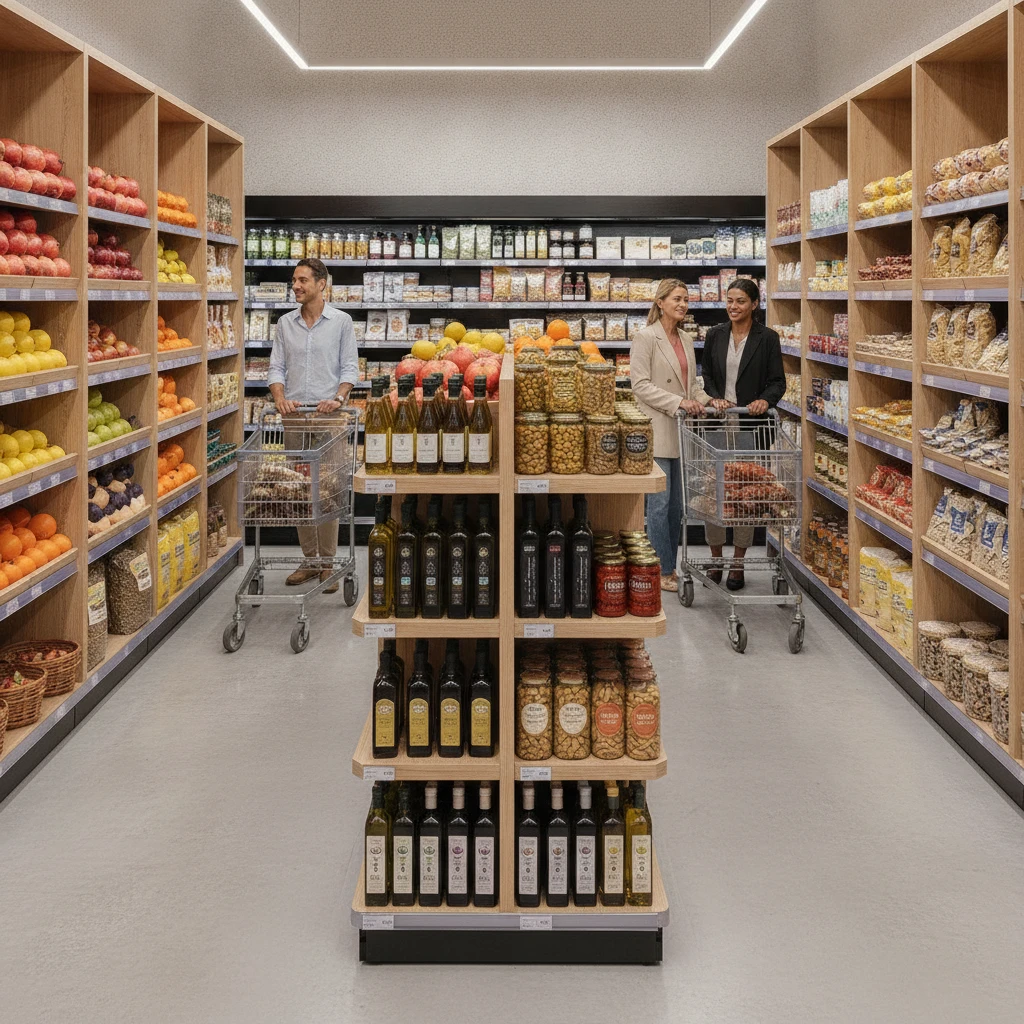
Since the adoption of the Euro in 2023, Croatia has experienced a shift in supermarket pricing, influenced by inflation and changes in consumer behavior. In 2026, visitors can expect a moderate increase in grocery prices compared to previous years, with an average inflation rate of around 3-5%. Coastal areas, particularly popular tourist destinations, tend to have higher prices due to increased demand, especially during the summer months.
- Informative estimated average prices in Euros (€)
- Transparent low vs. high peak season price breakdown below
Comprehensive Price Breakdown & Comparison Table 2026
| Item | Low Season Price (€) | High Season Price (€) |
|---|---|---|
| Loaf of Bread | 1.00 | 1.50 |
| 1L Milk | 0.90 | 1.20 |
| Eggs (12) | 2.00 | 3.00 |
| Chicken Breast (1kg) | 6.00 | 9.00 |
| Apples (1kg) | 1.50 | 2.50 |
| Pasta (500g) | 0.70 | 1.50 |
| Local Wine (750ml) | 5.00 | 15.00 |
| Beer (0.5L) | 1.50 | 3.00 |
| Soft Drink (1.5L) | 1.00 | 2.00 |
| Ice Cream (1L) | 3.00 | 5.00 |
Regional Price Variations (Islands vs Coastal vs Inland)
Prices can vary significantly across different regions of Croatia. Coastal areas such as Dubrovnik and Split are generally more expensive due to their popularity among tourists. In contrast, inland regions may offer lower prices for similar products. Islands like Hvar and Korčula also see price increases during peak tourist seasons, particularly for fresh produce and seafood.
Insider Money-Saving Tips & Tourist Traps to Avoid
- Local Lunch Specials: Look for 'Marenda' deals offered by local eateries, which provide affordable meal options.
- Grocery Shopping Hacks: Visit local markets for fresh fruits and vegetables, often cheaper than supermarkets.
- Dynamic Currency Conversion: Avoid using dynamic currency conversion at ATMs; always choose to pay in Euros.
- Tipping Etiquette: Tipping is appreciated but not mandatory; rounding up the bill is common.
Payment Rules, Card Acceptance & Fiscal Receipts
In Croatia, it is essential to request a fiscal receipt ('Fiskalni račun') for your purchases, as this is a legal requirement. Most supermarkets accept major credit and debit cards, but smaller shops may prefer cash. Be prepared for varying levels of card acceptance, especially in rural areas.