Current Situation & Pricing Overview 2026 in Croatia
As of 2026, Croatia has fully adopted the Euro (€), leading to significant changes in grocery prices. Following the Euro adoption, inflation has impacted costs, but many locals have adjusted to the new pricing structure. Tourists should expect to pay slightly more in coastal areas due to the influx of visitors, especially during the summer months. Understanding the local market is crucial for budgeting effectively during your stay.
- Informative estimated average prices in Euros (€)
- Transparent low vs. high peak season price breakdown below
Comprehensive Price Breakdown & Comparison Table 2026
| Item | Low Season Price (€) | High Season Price (€) |
|---|---|---|
| Loaf of bread | 0.80 | 1.50 |
| 1 liter of milk | 1.00 | 1.50 |
| Dozen eggs | 2.00 | 3.00 |
| Chicken breast (1 kg) | 7.00 | 12.00 |
| 1 kg of apples | 1.50 | 3.00 |
| Pasta (500g) | 0.80 | 2.00 |
| Bottle of water (1.5L) | 0.50 | 1.00 |
| Bottle of local wine | 5.00 | 15.00 |
| Pizza at a restaurant | 8.00 | 15.00 |
| Meal at a mid-range restaurant | 15.00 | 30.00 |
Regional Price Variations (Islands vs Coastal vs Inland)
Prices can vary significantly across different regions in Croatia. Coastal areas, particularly tourist hotspots like Hvar and Dubrovnik, tend to have higher prices due to demand. For example, a meal in Dubrovnik may cost more than in a smaller inland town like Karlovac. Islands such as Korčula also see price increases during the summer months when tourists flock to the beaches. In contrast, inland areas generally offer more competitive pricing, especially for fresh produce and local goods.
Insider Money-Saving Tips & Tourist Traps to Avoid
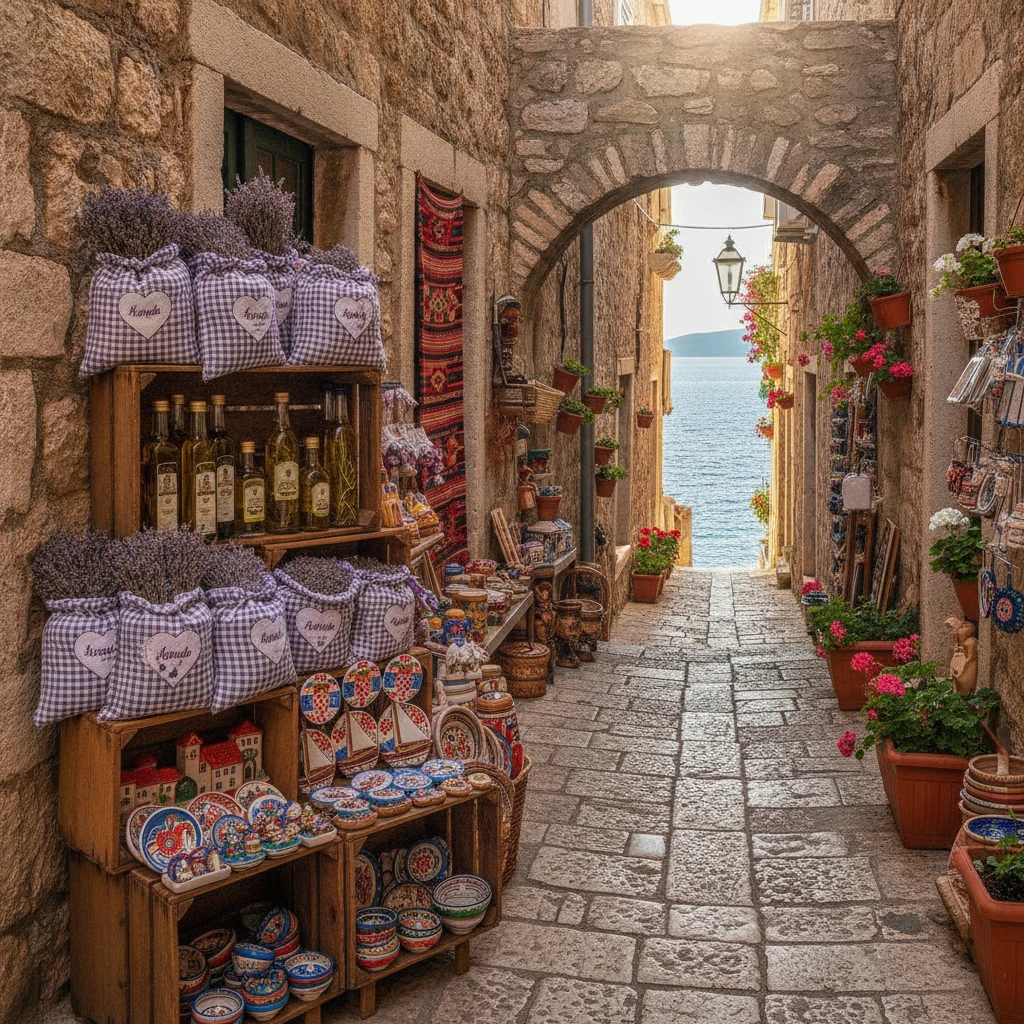
- Shop at local markets: Fresh produce is often cheaper and of better quality at local farmers' markets.
- Look for 'Marenda' specials: Many restaurants offer lunch specials that are more affordable than regular menu prices.
- Avoid touristy supermarkets: Stores near major attractions often have inflated prices. Seek out local chains like Konzum or Lidl.
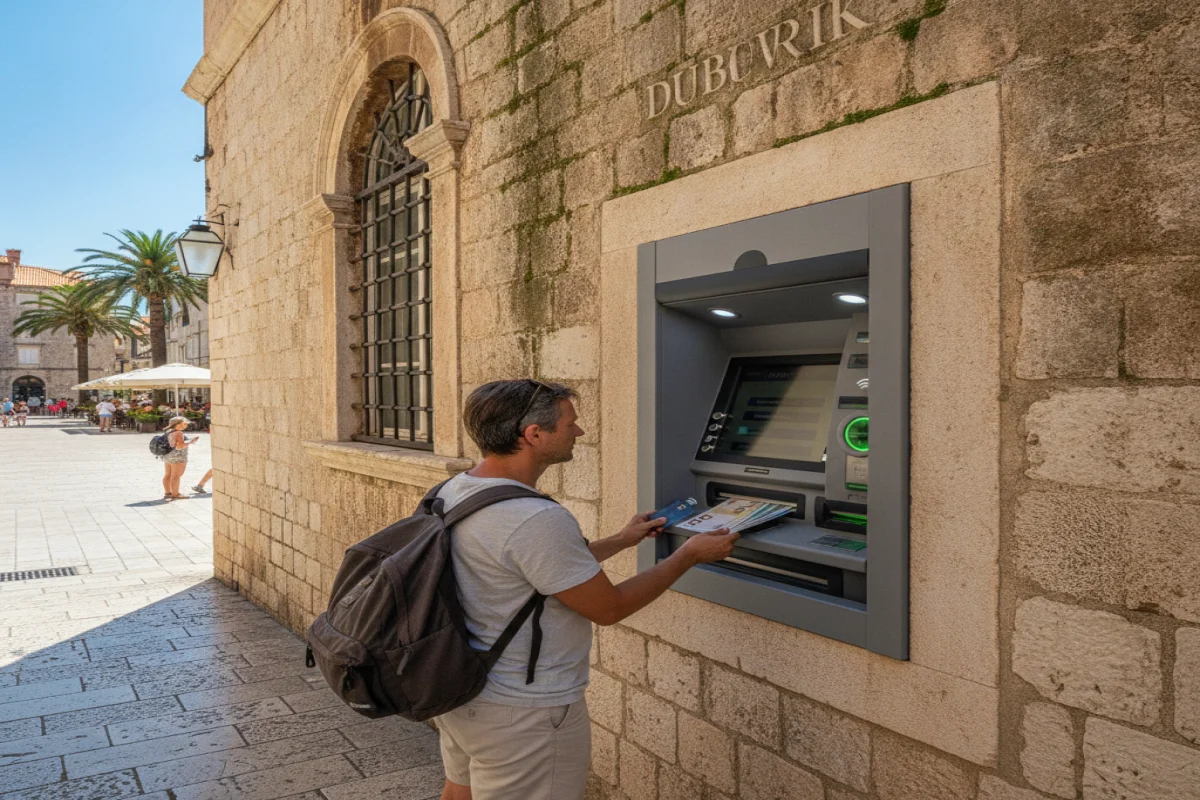
- Be cautious with currency conversion: ATMs may offer dynamic currency conversion, which can lead to higher fees. Always choose to pay in Euros.
- Ask for fiscal receipts: In Croatia, it's important to request a 'Fiskalni račun' to ensure your transaction is recorded for tax purposes.
Payment Rules, Card Acceptance & Fiscal Receipts
In Croatia, both cash and cards are widely accepted, but it's advisable to carry some cash, especially in smaller towns and markets. Most establishments will accept major credit cards, but always check beforehand. When making a purchase, ask for a fiscal receipt ('Fiskalni račun'), as it is a legal requirement for businesses to provide one. This not only ensures transparency but also protects you in case of any disputes.