Current Situation & Pricing Overview 2026 in Croatia
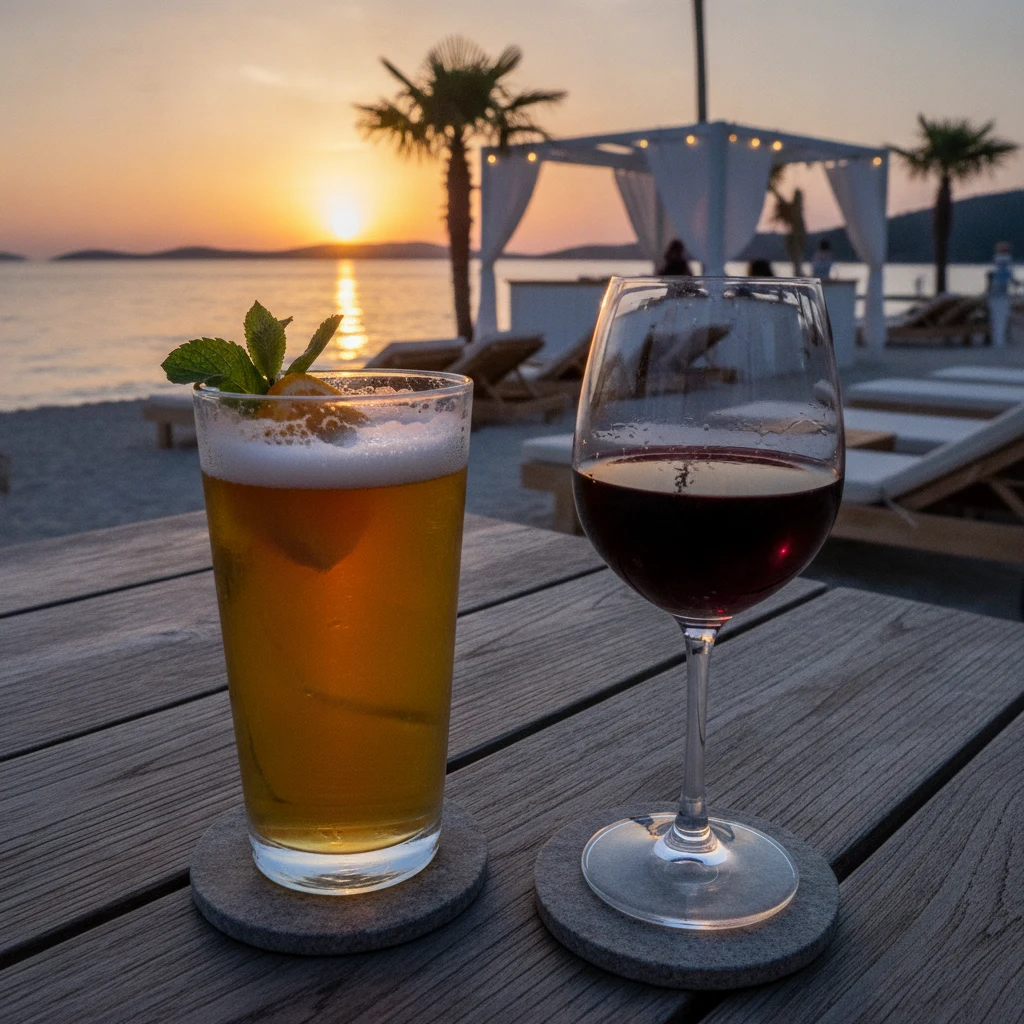
In 2026, Croatia's drinking scene continues to thrive, especially along its stunning coastline and picturesque islands. After the adoption of the Euro, prices have seen a moderate increase due to inflation, but they remain competitive compared to other European destinations. Visitors can expect to pay reasonable prices for local beers, wines, and cocktails, particularly in tourist hotspots.
- Informative estimated average prices in Euros (€)
- Transparent low vs. high peak season price breakdown below
Comprehensive Price Breakdown & Comparison Table 2026
| Item | Low Season Price (€) | High Season Price (€) |
|---|---|---|
| Local Beer (0.5L) | 3 | 6 |
| Imported Beer (0.5L) | 4 | 8 |
| House Wine (glass) | 2 | 5 |
| Premium Wine (bottle) | 15 | 50 |
| Cocktail (standard) | 6 | 12 |
| Cocktail (premium) | 10 | 20 |
| Soft Drink (0.33L) | 1 | 3 |
| Coffee (espresso) | 1 | 3 |
Regional Price Variations (Islands vs Coastal vs Inland)
Prices for beer, wine, and cocktails can vary significantly across different regions of Croatia. Coastal areas, especially tourist hotspots like Dubrovnik and Split, tend to have higher prices due to demand. In contrast, inland regions may offer more affordable options. Islands like Hvar and Korčula are known for their vibrant nightlife, but prices can be steep during peak season.
Price Comparison by Region
- Dubrovnik: Higher prices, especially in Old Town; expect to pay around 5 € for a local beer.
- Split: Moderate prices; local beers around 4 €.
- Hvar: Premium prices during summer; cocktails can reach 15 €.
- Korčula: Similar to Hvar, with a vibrant bar scene.
- Inland Areas: Generally lower prices; local beers can be found for as low as 3 €.
Insider Money-Saving Tips & Tourist Traps to Avoid
To make the most of your budget while enjoying drinks in Croatia, consider these insider tips:
- Look for 'Marenda' lunch specials, which often include discounted drinks.
- Shop at local grocery stores for affordable wine and beer to enjoy at your accommodation.
- Avoid dynamic currency conversion at ATMs; always choose to pay in Euros to avoid extra fees.
- Be cautious of tourist traps in busy areas; prices can be inflated.
- Always ask for a fiscal receipt ('Fiskalni račun') to ensure proper billing and for potential tax refunds.
Payment Rules, Card Acceptance & Fiscal Receipts
In Croatia, both cash and card payments are widely accepted, but it's advisable to carry some cash, especially in smaller towns or rural areas. Most establishments accept major credit cards, but always confirm before ordering. According to Croatian fiscal law, businesses are required to issue a fiscal receipt ('Fiskalni račun') for every transaction. This receipt is important for tax purposes and can be requested if you need to return or exchange items.