Current Situation & Pricing Overview 2026 in Croatia
Since adopting the Euro in 2023, Croatia has seen a significant shift in its pricing landscape. Inflation has impacted costs, particularly in tourist hotspots along the stunning Adriatic coast. Visitors can expect to pay more for dining, accommodation, and activities, especially during the peak summer season. However, the overall affordability compared to Western Europe remains attractive, making Croatia a popular destination for international tourists.
- Informative estimated average prices in Euros (€)
- Transparent low vs. high peak season price breakdown below
Comprehensive Price Breakdown & Comparison Table 2026
| Item/Service | Low Season (€) | High Season (€) |
|---|---|---|
| Meal at a mid-range restaurant | 15 | 30 |
| Coffee at a café | 2 | 5 |
| Local beer | 3 | 6 |
| Taxi ride (5 km) | 7 | 15 |
| Beach chair rental | 5 | 10 |
| Guided tour | 30 | 100 |
Regional Price Variations (Islands vs Coastal vs Inland)
Prices can vary significantly across Croatia's diverse regions. Popular islands like Hvar and Korčula often have higher prices due to their tourist appeal, especially in peak season. Coastal cities such as Dubrovnik and Split also see inflated costs, particularly in dining and accommodation. In contrast, inland areas tend to offer more budget-friendly options, making them ideal for travelers looking to save.
Insider Money-Saving Tips & Tourist Traps to Avoid
- Local Lunch Specials ('Marenda'): Look for local eateries offering 'Marenda' specials, which provide a hearty meal at a fraction of the price.
- Grocery Shopping Hacks: Purchase snacks and drinks from local supermarkets instead of tourist shops to save money.
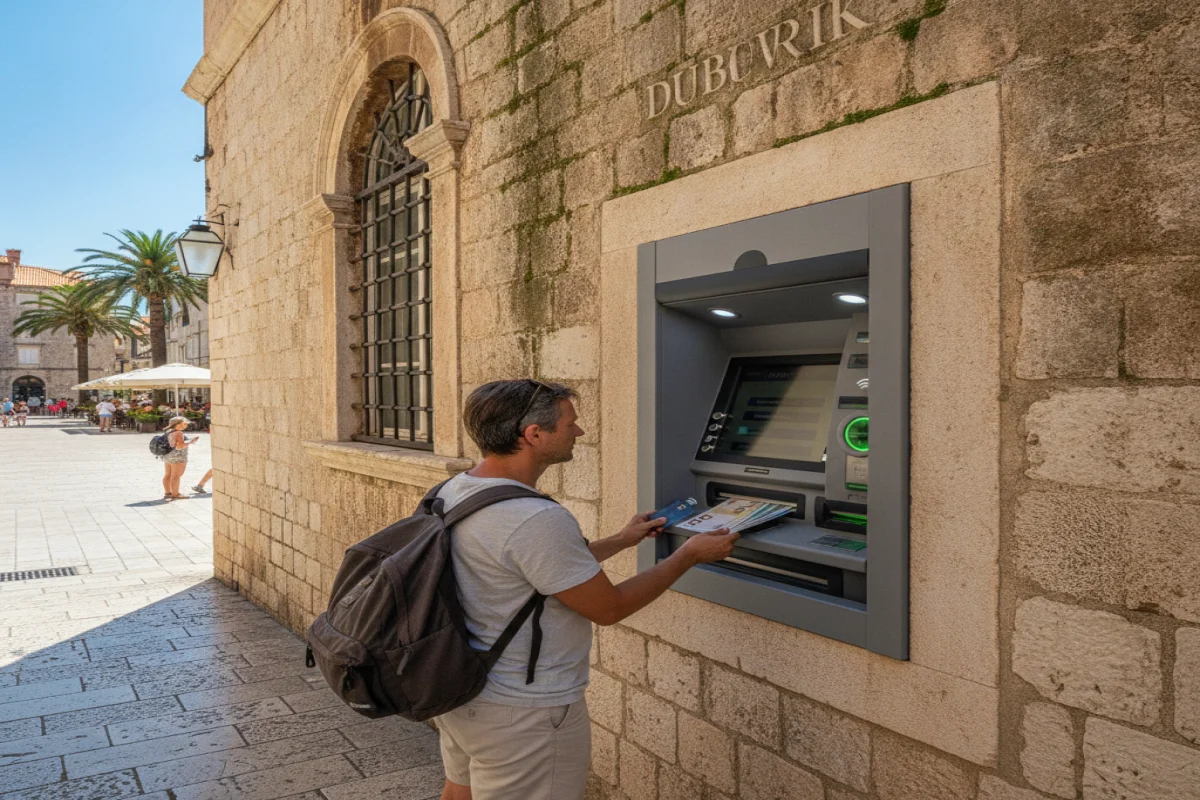
- ATM Traps: Be cautious of ATMs that offer dynamic currency conversion; always select the local currency for withdrawals.
- Tipping Etiquette: While tipping is appreciated, rounding up the bill or leaving a small percentage is sufficient.
Payment Rules, Card Acceptance & Fiscal Receipts
In Croatia, it is mandatory for businesses to issue a fiscal receipt ('Fiskalni račun') for all transactions. This is important for tax purposes and ensures that the business is operating legally. While cards are widely accepted, especially in urban areas, some smaller establishments may only accept cash. Always ask for a receipt to ensure proper documentation of your purchases.