Current Situation & Pricing Overview 2026 in Croatia
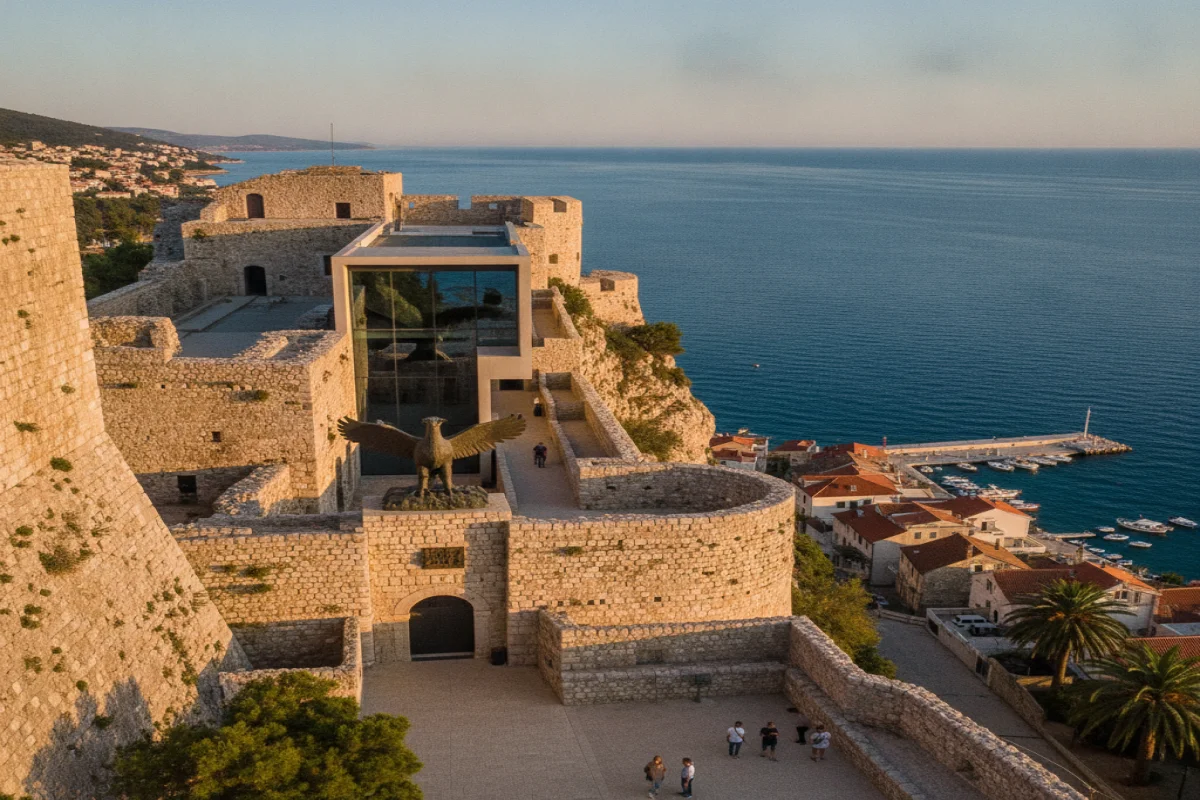
With the adoption of the Euro in Croatia, visitors can expect a more standardized pricing structure across the country. However, inflation and increased tourism demand have led to a rise in entry fees for many museums, fortresses, and historical sites. In 2026, tourists should budget between 5 € to 40 € for entry fees, depending on the site and season.
- Informative estimated average prices in Euros (€)
- Transparent low vs. high peak season price breakdown below
Comprehensive Price Breakdown & Comparison Table 2026
| Service | Low Season | High Season |
|---|---|---|
| Dubrovnik City Walls | 30 € | 40 € |
| Split Diocletian's Palace | 10 € | 15 € |
| Hvar Fortress | 5 € | 10 € |
| Korčula Town Museum | 8 € | 12 € |
| Rovinj Heritage Museum | 6 € | 10 € |
| Pula Arena | 12 € | 20 € |
| Zagreb Museum of Broken Relationships | 8 € | 12 € |
| National Park Krka | 15 € | 25 € |
| Trogir Historical Center | 5 € | 10 € |
| Sibenik Fortress | 6 € | 10 € |
Regional Price Variations (Islands vs Coastal vs Inland)
Prices can vary significantly between Croatia's islands, coastal towns, and inland areas. For instance, popular islands like Hvar and Korčula tend to have higher entry fees due to their tourist appeal, while inland areas may offer more affordable options. Coastal cities such as Dubrovnik and Split are often at the higher end of the pricing spectrum, especially during the summer months.
Insider Money-Saving Tips & Tourist Traps to Avoid
- Marenda Specials: Look for local lunch specials, known as 'Marenda', which offer affordable meals at local eateries.
- Grocery Shopping: Purchase snacks and drinks from grocery stores rather than tourist shops to save money.
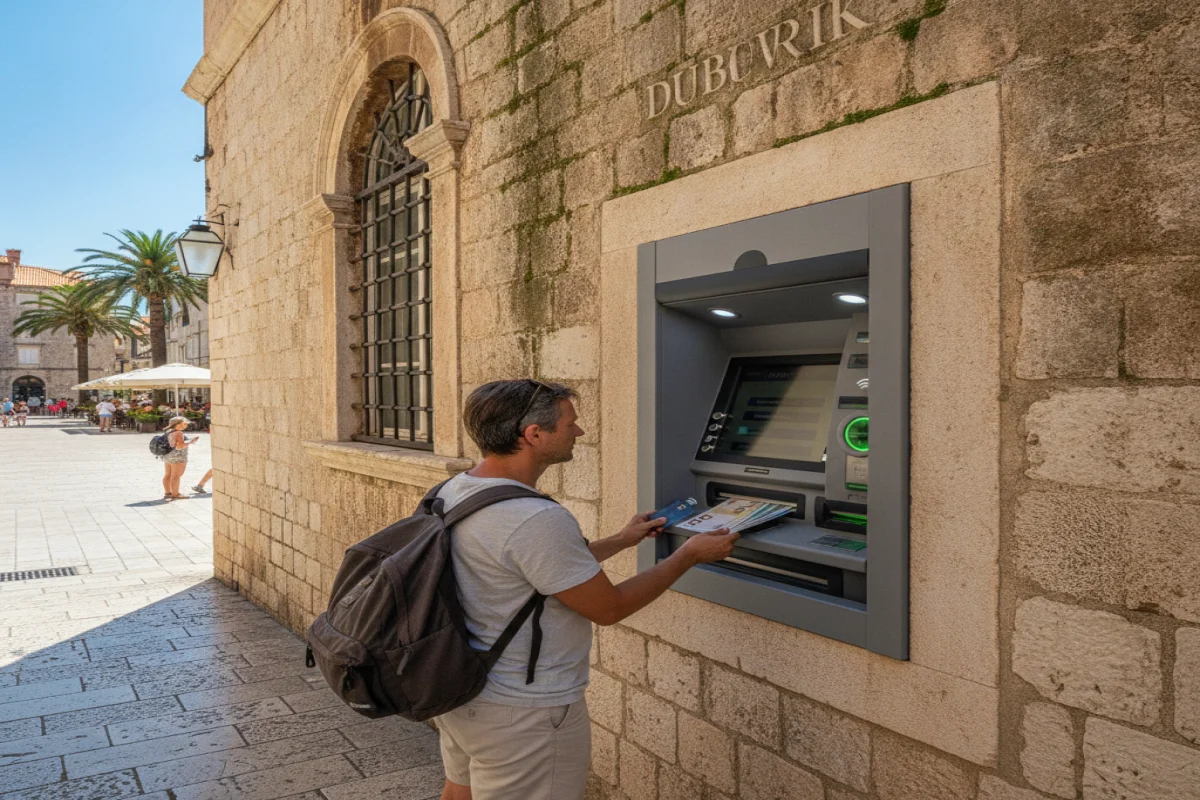
- ATM Fees: Avoid dynamic currency conversion at ATMs; choose to withdraw in Euros to avoid extra fees.
- Tipping Etiquette: Tipping is appreciated but not obligatory; rounding up the bill is common.
Payment Rules, Card Acceptance & Fiscal Receipts
In Croatia, it is mandatory to issue a fiscal receipt ('Fiskalni račun') for all transactions. This law ensures transparency and proper taxation. While most larger attractions and restaurants accept credit and debit cards, smaller establishments may prefer cash. Always ask for a receipt to ensure compliance with local laws and for your own records.