Current Situation & Pricing Overview 2026 in Croatia
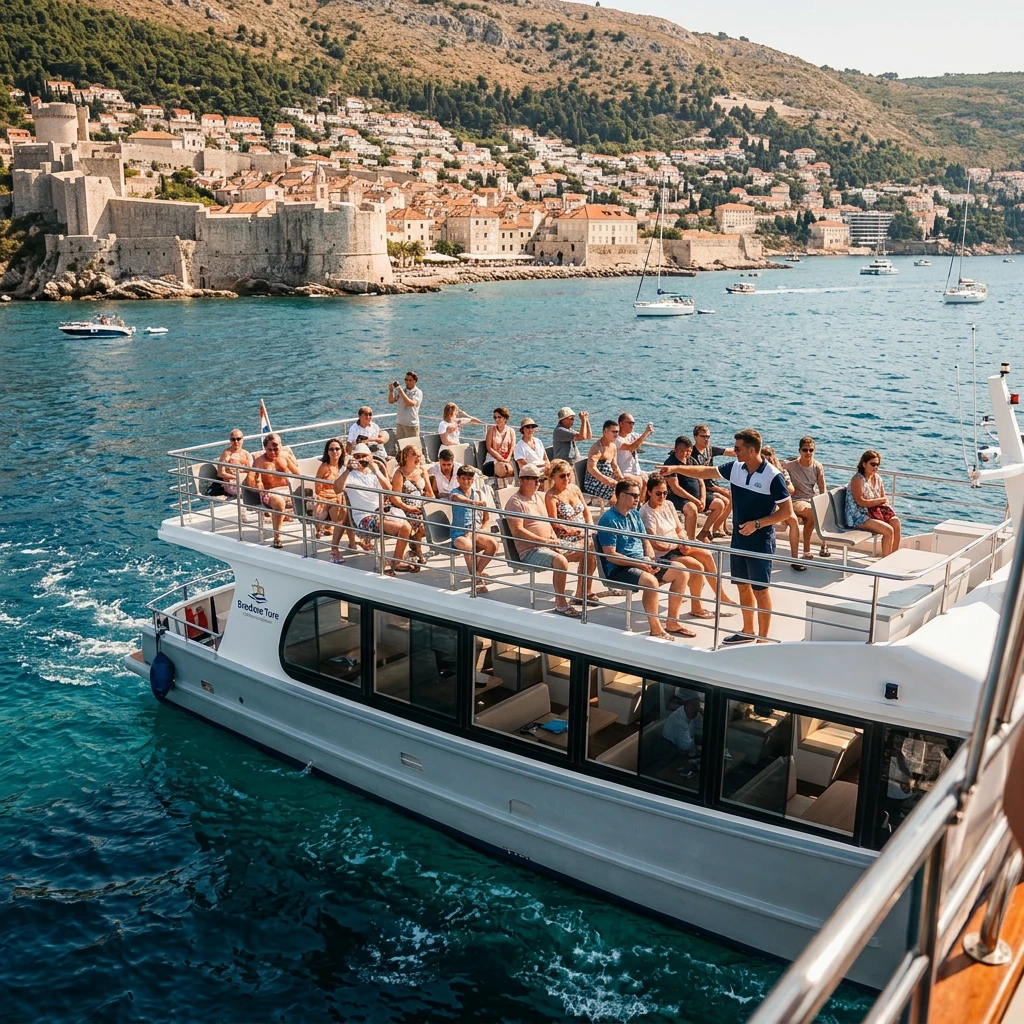
As of 2026, Croatia's ferry prices have seen a notable shift following the adoption of the Euro. The transition has brought about a more standardized pricing structure, yet inflation has also influenced costs. Tourists can expect to pay between 10 € to 40 € for ferry tickets depending on the route and season. The ferry system remains a vital part of accessing Croatia's stunning islands and coastal regions, making it essential for travelers to understand the pricing landscape.
- Informative estimated average prices in Euros (€)
- Transparent low vs. high peak season price breakdown below
Comprehensive Price Breakdown & Comparison Table 2026
| Route | Low Season Price (€) | High Season Price (€) | Duration |
|---|---|---|---|
| Split to Hvar | 20 € | 30 € | 1 hour |
| Dubrovnik to Korčula | 15 € | 25 € | 2 hours |
| Zadar to Pag | 10 € | 20 € | 1 hour |
| Rijeka to Cres | 12 € | 22 € | 1.5 hours |
| Pula to Brijuni Islands | 25 € | 35 € | 30 minutes |
| Split to Vis | 25 € | 40 € | 2.5 hours |
Regional Price Variations (Islands vs Coastal vs Inland)
Ferry prices can vary significantly based on the region. Popular islands like Hvar and Korčula tend to have higher prices during peak tourist seasons due to demand. In contrast, routes to less frequented islands or inland areas may offer more budget-friendly options. For instance, the ferry from Split to Hvar is a popular choice among tourists, leading to higher prices compared to the less-traveled route from Zadar to Pag.
Insider Money-Saving Tips & Tourist Traps to Avoid
- Local Lunch Specials: Look for 'Marenda' deals in local eateries, which offer substantial meals at lower prices.
- Grocery Shopping Hacks: Purchase snacks and drinks from supermarkets rather than tourist shops to save money.
- Avoid Dynamic Currency Conversion: Always choose to pay in local currency (HRK) to avoid unfavorable exchange rates.
- Tipping Etiquette: A small tip (5-10%) is appreciated but not mandatory; round up your bill for convenience.
Payment Rules, Card Acceptance & Fiscal Receipts
In Croatia, most establishments accept credit and debit cards, but it's wise to carry some cash, especially on smaller islands. Under Croatian fiscal law ('Fiskalni račun'), businesses must provide a receipt for every transaction. Always ask for a receipt to ensure proper documentation and to avoid potential issues with refunds or disputes.