Current Situation & Pricing Overview 2026 in Croatia
As Croatia continues to attract sailors and tourists alike, the marina berth prices have seen notable changes following the adoption of the Euro. In 2026, prices reflect a blend of inflation and increased demand, particularly during the peak summer months. Visitors can expect to pay significantly more during high season, with costs influenced by location, amenities, and the overall popularity of the marina.
- Informative estimated average prices in Euros (€)
- Transparent low vs. high peak season price breakdown below
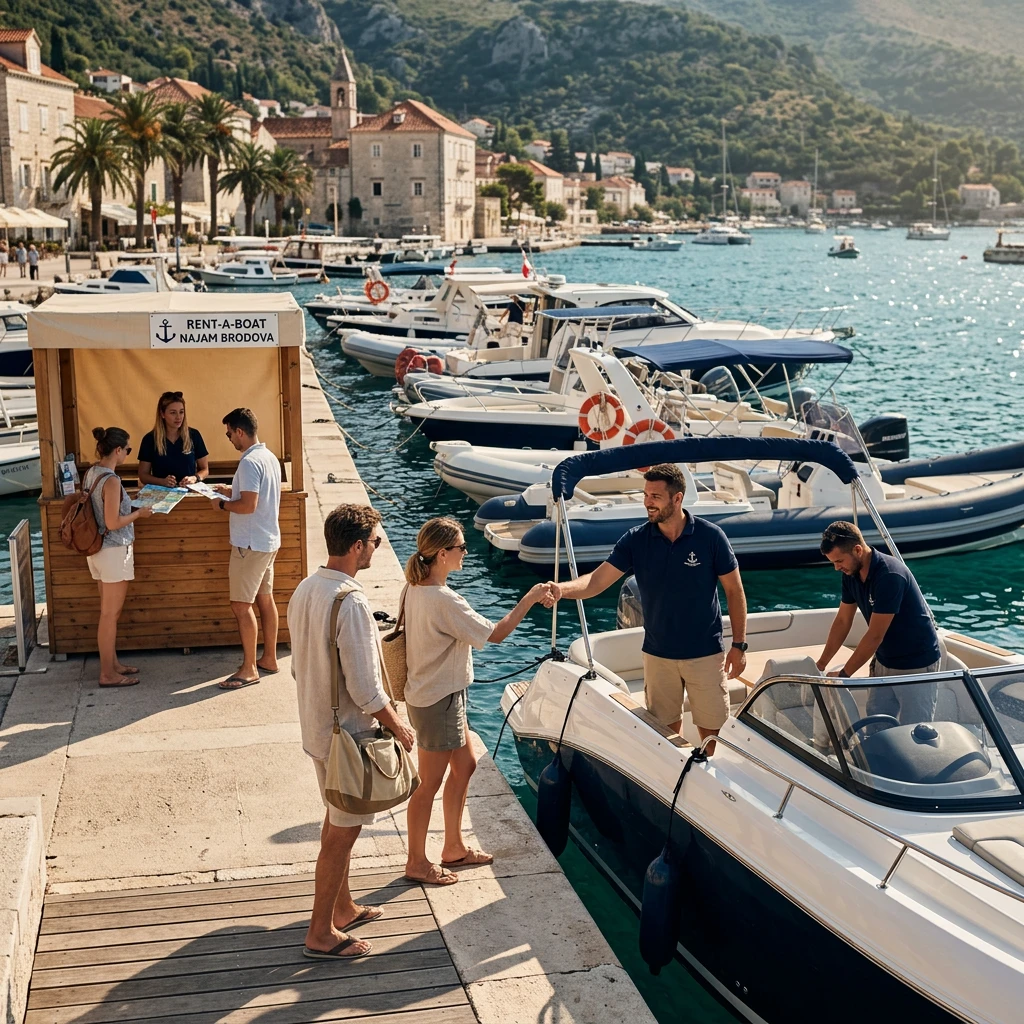
Comprehensive Price Breakdown & Comparison Table 2026
| Service | Low Season (€) | High Season (€) |
|---|---|---|
| Marina Berth | 20 – 50 | 50 – 120 |
| Mooring Fees | 15 – 30 | 30 – 70 |
| Electricity Connection | 5 – 15 | 5 – 15 |
| Water Supply | 3 – 10 | 3 – 10 |
| Wi-Fi Access | 0 – 10 | 0 – 10 |
| Parking Fees | 10 – 25 | 10 – 25 |
Regional Price Variations (Islands vs Coastal vs Inland)
Prices for marina berths and mooring fees can vary significantly across Croatia's diverse regions. Popular islands like Hvar and Korčula often command higher prices due to their tourist appeal, while coastal towns such as Dubrovnik and Split also reflect premium rates. In contrast, local inland areas may offer more affordable options, making them attractive for budget-conscious sailors.
- Hvar: High demand, high prices, especially in summer.
- Korčula: Moderate prices, beautiful scenery, and less crowded.
- Dubrovnik: Premium pricing, known for its historic sites.
- Split: Central location, varied pricing based on marina amenities.
- Rovinj: Charming town with competitive prices.
Insider Money-Saving Tips & Tourist Traps to Avoid
To maximize your budget while enjoying Croatia's stunning coastlines, consider these insider tips:
- Lunch Specials: Look for 'Marenda' deals in local eateries for affordable meals.
- Grocery Shopping: Purchase supplies from local markets instead of marinas, which often have inflated prices.
- Dynamic Currency Conversion: Avoid using this service at ATMs; choose to pay in local currency for better rates.
- Tipping: While not mandatory, rounding up the bill or leaving 10% is appreciated.
Payment Rules, Card Acceptance & Fiscal Receipts
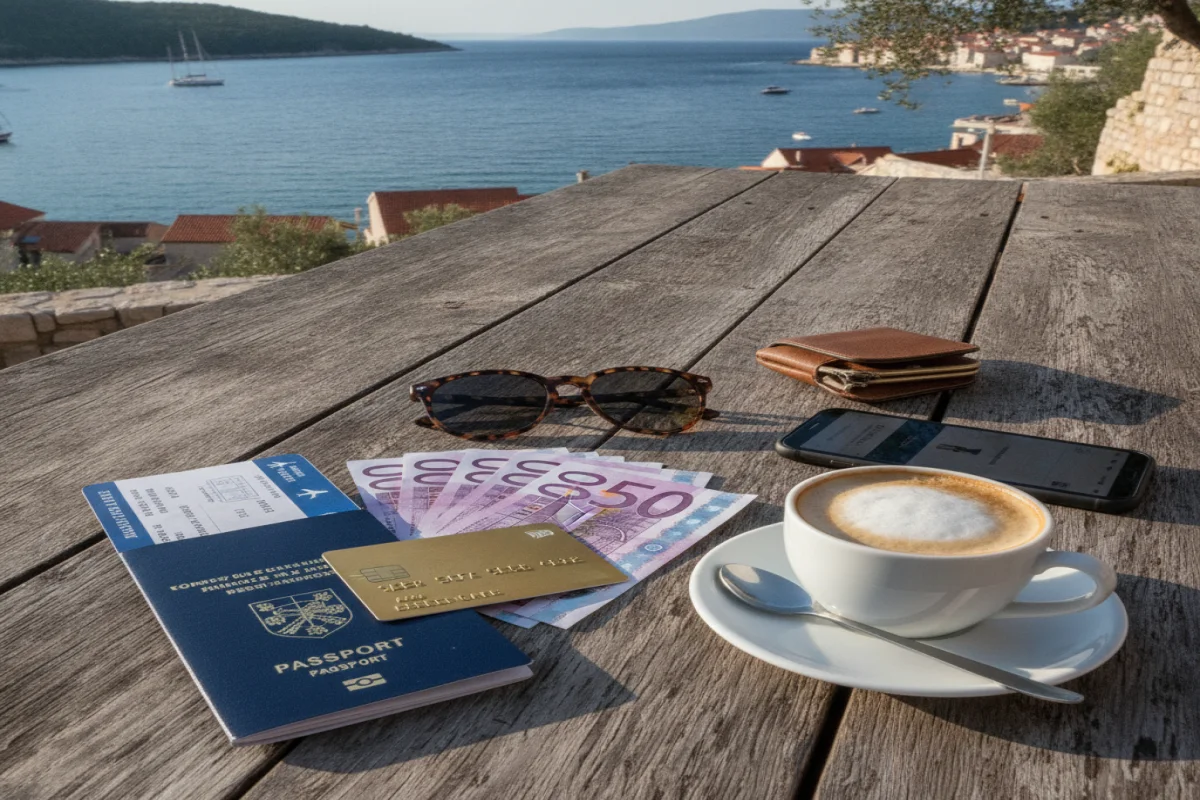
In Croatia, fiscal law requires businesses to issue a 'Fiskalni račun' (fiscal receipt) for all transactions. While larger marinas and tourist areas widely accept credit and debit cards, smaller locations may prefer cash. Always ask for a receipt to ensure proper documentation for your expenses.