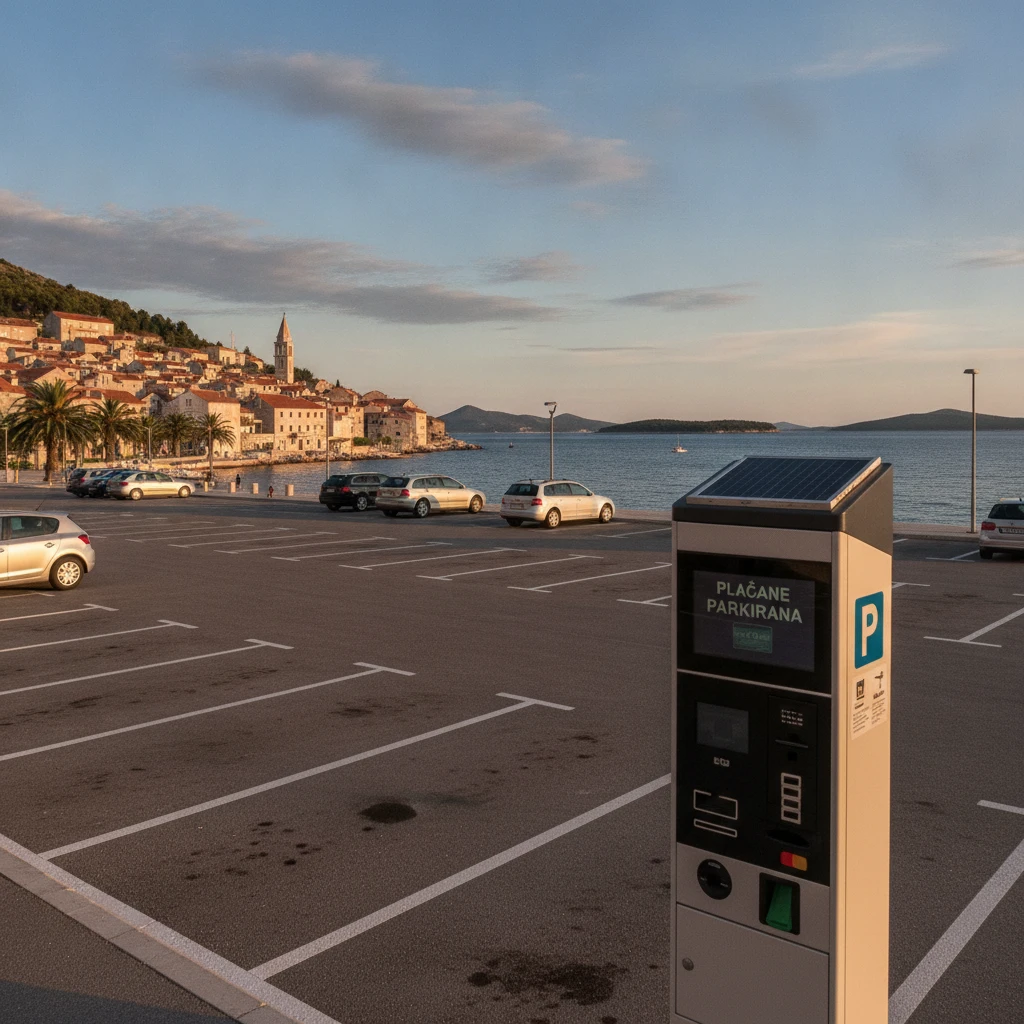
Current Situation & Pricing Overview 2026 in Croatia
Since the adoption of the Euro in 2023, Croatia has seen a shift in its pricing landscape. Inflation has impacted costs, particularly in tourist hotspots along the stunning Adriatic coast. Visitors can expect to pay more for dining, accommodations, and activities compared to previous years. Understanding the current pricing trends is essential for budgeting your trip effectively.
- Informative estimated average prices in Euros (€)
- Transparent low vs. high peak season price breakdown below
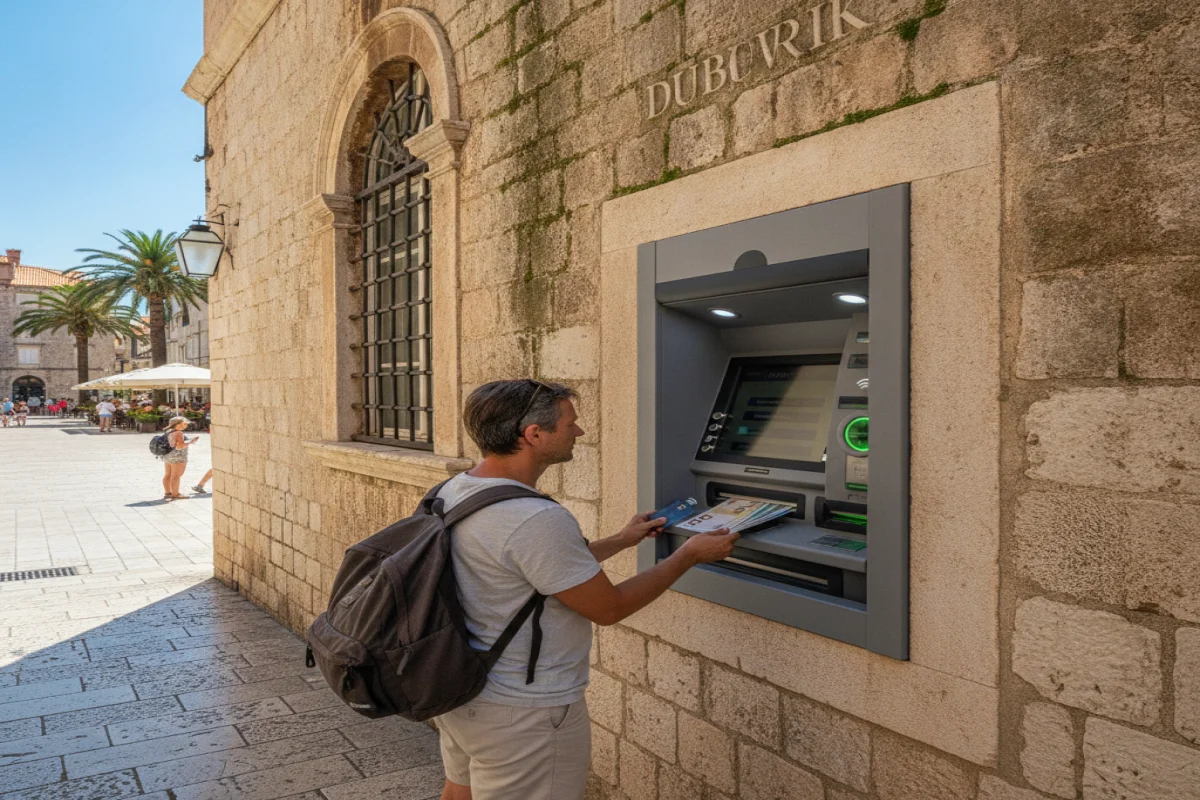
Comprehensive Price Breakdown & Comparison Table 2026
| Item/Service | Low Season (€) | High Season (€) |
|---|---|---|
| Meal at a mid-range restaurant | 15 | 30 |
| Coffee at a café | 2 | 5 |
| Local beer (0.5L) | 3 | 6 |
| ATM withdrawal fee | 2 | 5 |
| Taxi ride (5 km) | 8 | 15 |
| Beach sunbed rental | 10 | 20 |
Regional Price Variations (Islands vs Coastal vs Inland)
Prices can vary significantly across different regions of Croatia. Coastal areas, especially popular islands like Hvar and Korčula, tend to be more expensive due to high tourist demand. In contrast, inland regions may offer more budget-friendly options. For instance, a meal in Dubrovnik may cost up to 30% more than the same meal in a smaller town like Slavonski Brod.
Insider Money-Saving Tips & Tourist Traps to Avoid
- Local Lunch Specials ('Marenda'): Look for local eateries offering 'Marenda' deals, which provide affordable meals during lunch hours.
- Grocery Shopping Hacks: Purchase snacks and drinks at local grocery stores instead of tourist shops to save money.
- Dynamic Currency Conversion: Always choose to pay in Euros to avoid unfavorable exchange rates offered by merchants.
- Tipping Etiquette: While tipping is appreciated, it’s not obligatory. A small tip of around 10% is sufficient for good service.
Payment Rules, Card Acceptance & Fiscal Receipts
In Croatia, it is mandatory for businesses to issue a fiscal receipt ('Fiskalni račun') for all transactions. This is crucial for tax purposes and ensures that the business is operating legally. While credit and debit cards are widely accepted in urban and tourist areas, cash is still the preferred method in rural areas and smaller establishments. Always ask for a receipt when making a purchase, as it can be useful for warranty claims or disputes.