Current Situation & Pricing Overview 2026 in Croatia
In 2026, Croatia's seafood prices reflect the ongoing economic adjustments post-Euro adoption. Inflation has influenced costs, but the abundance of fresh fish from the Adriatic Sea remains a staple of Croatian cuisine. Visitors can expect to pay a premium in tourist hotspots, while local markets offer more competitive pricing. The coastal regions, renowned for their seafood, provide a vibrant culinary experience that showcases the best of the Adriatic.
- Informative estimated average prices in Euros (€)
- Transparent low vs. high peak season price breakdown below
Comprehensive Price Breakdown & Comparison Table 2026
| Item | Low Season (€) | High Season (€) | Notes |
|---|---|---|---|
| Fresh Adriatic Sea Bass | 15 | 25 | Prices vary by size and freshness. |
| Fresh Adriatic Sea Bream | 18 | 28 | Popular choice in coastal restaurants. |
| Local Shrimp | 20 | 35 | Best sourced from local markets. |
| Octopus | 25 | 40 | Often used in traditional dishes. |
| Mussels | 8 | 15 | Great for a budget-friendly meal. |
| Calamari | 12 | 20 | Fried calamari is a local favorite. |
| Fish Soup (local dish) | 10 | 20 | Hearty and flavorful, ideal for lunch. |
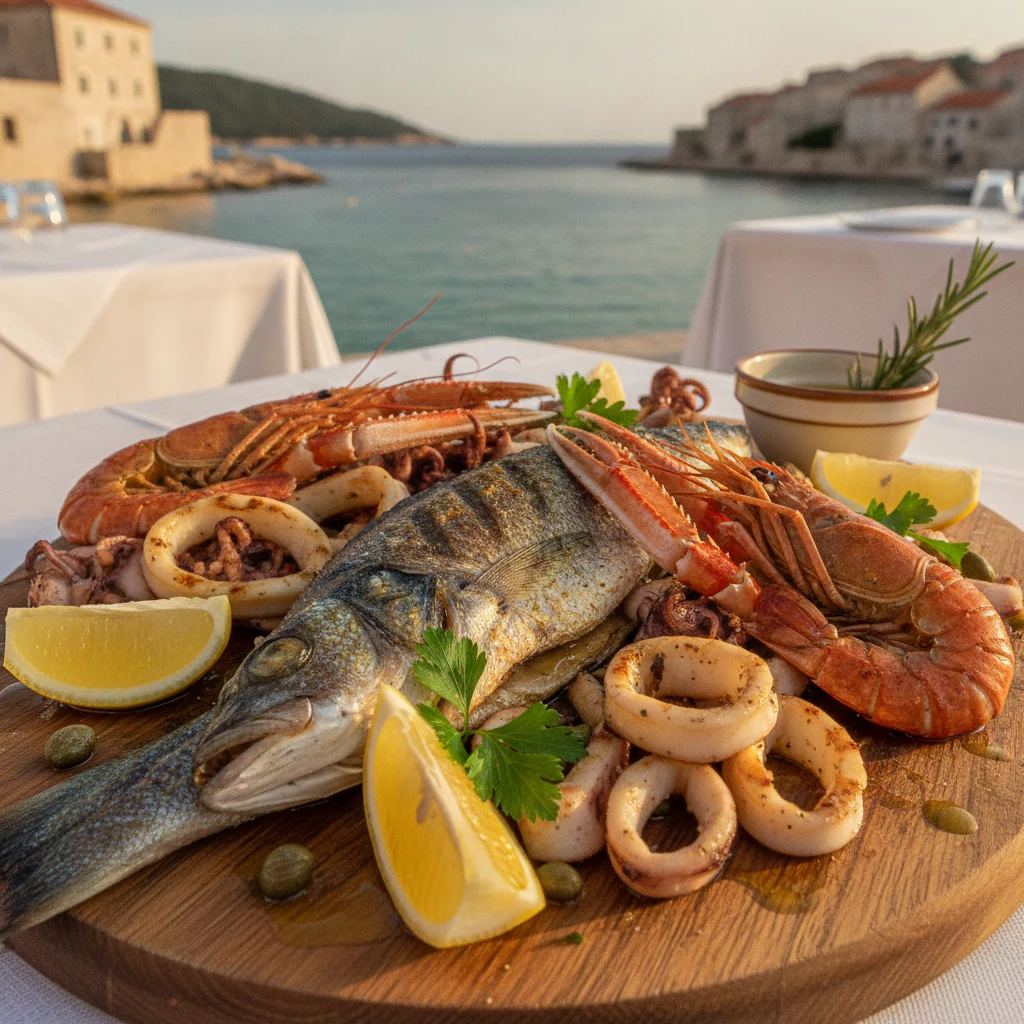
| Seafood Platter (restaurant) | 30 | 60 | Variety of seafood, perfect for sharing. |
| Fish Market Prices (daily) | 10 | 50 | Prices vary by item and availability. |
| Canned Sardines (local brand) | 2 | 5 | Great for snacks or quick meals. |
Regional Price Variations (Islands vs Coastal vs Inland)
Prices for seafood can vary significantly across different regions of Croatia. In popular tourist destinations like Dubrovnik and Split, seafood prices are generally higher due to demand. In contrast, islands such as Hvar and Korčula may offer more competitive pricing, especially if you visit local markets. Inland areas tend to have lower seafood prices, but the selection may not be as fresh or diverse as coastal regions.
Insider Money-Saving Tips & Tourist Traps to Avoid
- Local Lunch Specials ('Marenda'): Many restaurants offer affordable lunch specials that include seafood dishes. Look for 'Marenda' signs to find great deals.
- Grocery Shopping Hacks: Purchase seafood from local markets rather than touristy restaurants to save money. Look for daily specials.
- Avoid Dynamic Currency Conversion: When using ATMs, choose to be charged in Euros to avoid unfavorable exchange rates.
- Tipping Etiquette: Tipping is appreciated but not mandatory. A small tip (10%) is customary for good service.
Payment Rules, Card Acceptance & Fiscal Receipts
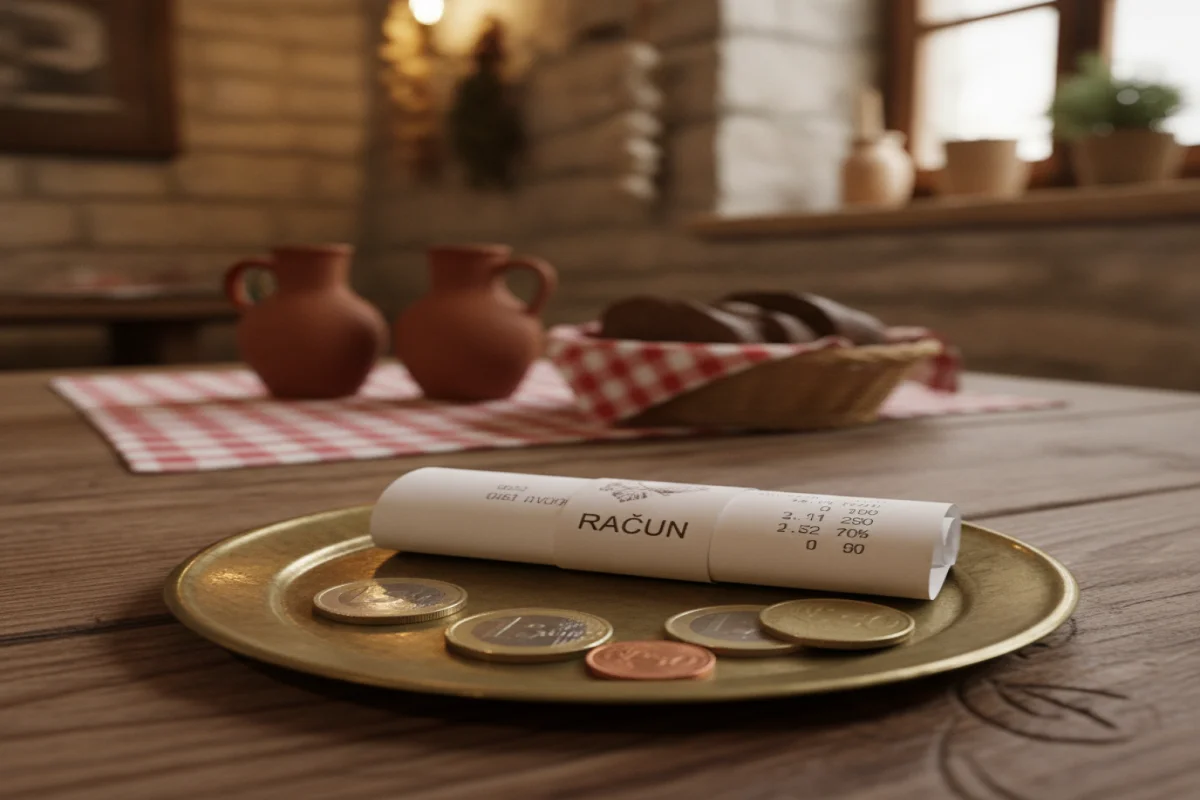
In Croatia, it is essential to ask for a fiscal receipt ('Fiskalni račun') when making purchases. This receipt serves as proof of transaction and is required by law. While credit and debit cards are widely accepted in urban areas and tourist spots, some smaller establishments may only accept cash. Always carry some cash, especially when visiting local markets or smaller towns.