Current Situation & Pricing Overview 2026 in Croatia
Since adopting the Euro in 2023, Croatia has seen a shift in its pricing landscape. Inflation has affected various sectors, including dining and tourism. Visitors can expect to pay slightly more than in previous years, but the overall experience remains affordable compared to many Western European countries. In 2026, dining out, especially in coastal areas, reflects a blend of local flavors and international influences, making it a vibrant culinary destination.
- Informative estimated average prices in Euros (€)
- Transparent low vs. high peak season price breakdown below
Comprehensive Price Breakdown & Comparison Table 2026
| Item/Service | Low Season Price (€) | High Season Price (€) |
|---|---|---|
| Coffee (Café) | 1.50 | 3.00 |
| Lunch (Casual Dining) | 10.00 | 20.00 |
| Dinner (Mid-range Restaurant) | 20.00 | 50.00 |
| Fine Dining Experience | 50.00 | 150.00 |
| Taxi Ride (within city) | 5.00 | 15.00 |
| Guided Tour | 30.00 | 100.00 |
Regional Price Variations (Islands vs Coastal vs Inland)
Prices can vary significantly across different regions in Croatia. Coastal areas, especially popular tourist destinations like Dubrovnik and Split, tend to be pricier due to high demand. In contrast, inland areas and less frequented islands like Vis or Lastovo offer more budget-friendly options. Here’s a brief overview:
- Dubrovnik: High-end dining and luxury experiences, with dinner prices averaging 50-150 €.
- Split: A mix of casual and mid-range dining, with prices ranging from 20-50 € for dinner.
- Hvar: Known for upscale dining, expect to pay 30-100 € for a meal.
- Inland Areas: More affordable options, with meals costing around 10-20 €.
Insider Money-Saving Tips & Tourist Traps to Avoid
To make the most of your trip without overspending, consider these tips:
- Local Lunch Specials (Marenda): Many restaurants offer discounted lunch menus, typically from 11 AM to 3 PM.
- Grocery Shopping: Buy snacks and drinks from local markets instead of tourist shops to save money.
- Avoid Dynamic Currency Conversion: Always choose to pay in Euros when using credit cards to avoid unfavorable exchange rates.
- Be Wary of Tourist Traps: Research restaurants and read reviews to avoid overpriced establishments in tourist hotspots.
Payment Rules, Card Acceptance & Fiscal Receipts
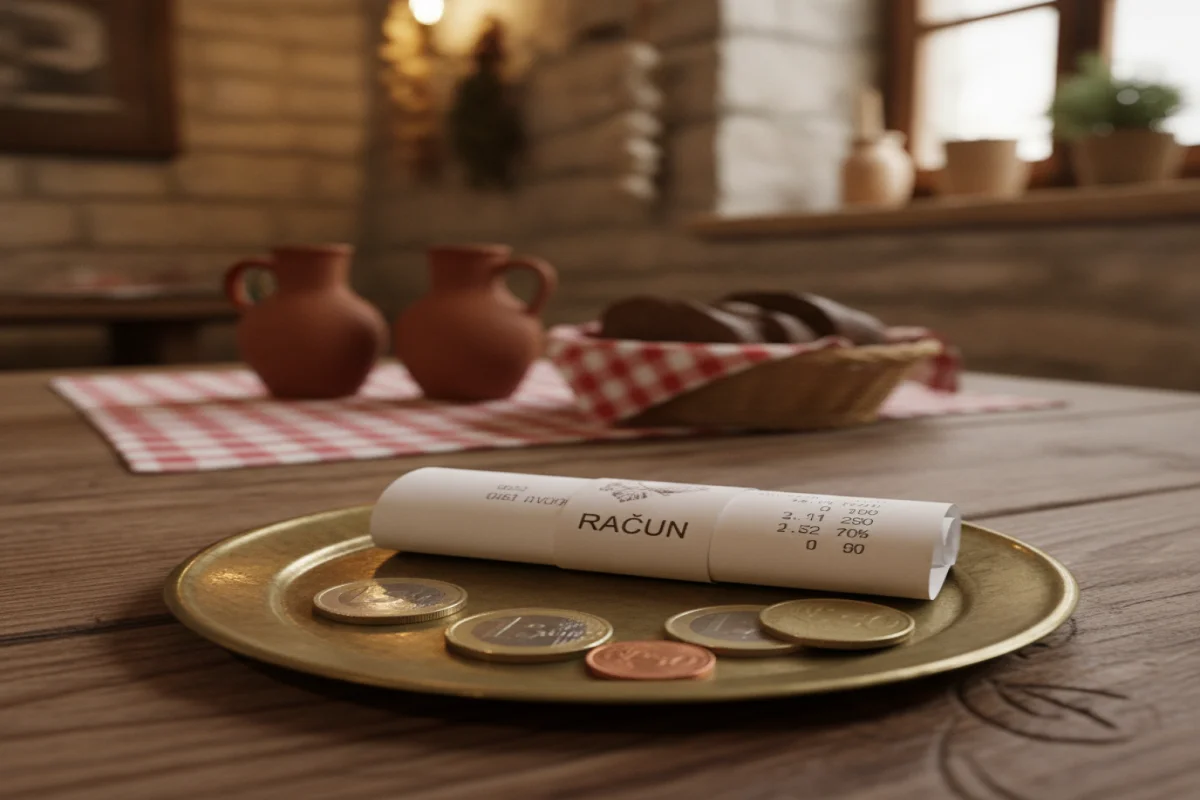
In Croatia, cash is still widely used, especially in smaller towns and markets. However, most restaurants and shops accept credit and debit cards. It’s essential to ask for a fiscal receipt ('Fiskalni račun') for your purchases, as this is required by law and can be useful for any potential disputes. Always check if the establishment accepts cards before ordering to avoid surprises.