Current Situation & Pricing Overview 2026 in Croatia
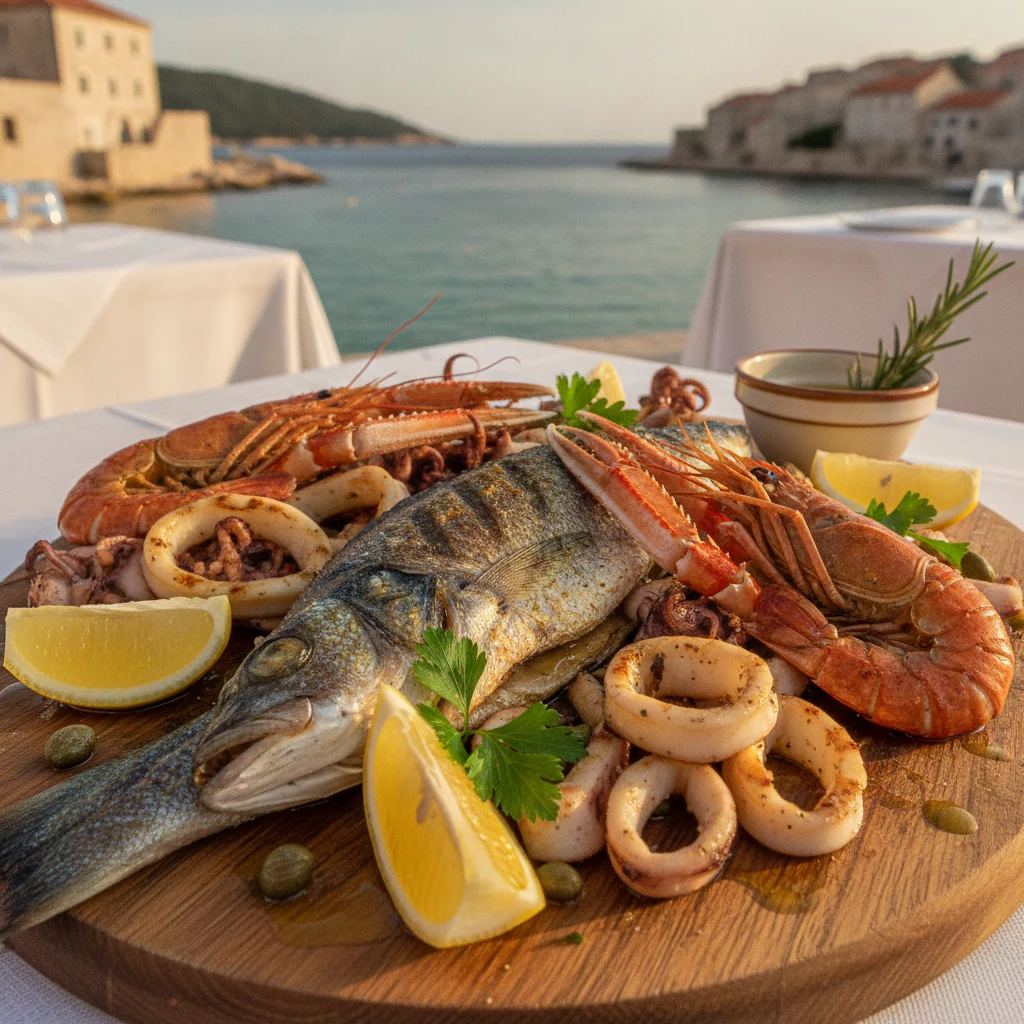
As Croatia continues to embrace its Euro adoption, seafood prices have seen a notable shift. In 2026, the cost of dining on seafood reflects both inflation and the increasing popularity of the Croatian coast among international tourists. Visitors can expect to pay more in tourist hotspots, particularly during the summer months when demand peaks. However, local eateries often provide more reasonable prices, especially for traditional dishes.
- Informative estimated average prices in Euros (€)
- Transparent low vs. high peak season price breakdown below
Comprehensive Price Breakdown & Comparison Table 2026
| Dish/Service | Low Season Price (€) | High Season Price (€) |
|---|---|---|
| Grilled Fish (e.g., Sea Bass) | 15 € | 30 € |
| Seafood Platter | 25 € | 50 € |
| Shrimp Risotto | 12 € | 25 € |
| Octopus Salad | 10 € | 20 € |
| Fried Calamari | 8 € | 15 € |
| Local Wine (0.5L) | 10 € | 20 € |
| Fish Soup | 6 € | 12 € |
| Tuna Steak | 18 € | 35 € |
Regional Price Variations (Islands vs Coastal vs Inland)
Prices for seafood can vary significantly across different regions in Croatia. Coastal cities like Dubrovnik and Split tend to have higher prices due to their popularity among tourists. In contrast, smaller towns and islands such as Korčula and Hvar may offer more competitive rates, especially in local konobas. Inland areas, while not as seafood-centric, can still provide fresh fish at lower prices, particularly if sourced from nearby coastal regions.
Insider Money-Saving Tips & Tourist Traps to Avoid
- Lunch Specials ('Marenda'): Many restaurants offer affordable lunch menus that feature local seafood dishes at reduced prices.
- Local Markets: Purchase fresh seafood from local markets for a more authentic and budget-friendly experience.
- Avoid Tourist Traps: Restaurants with menus in multiple languages and flashy signs often charge higher prices.
- Dynamic Currency Conversion: Be cautious of ATMs that offer to convert your withdrawal into your home currency; this often comes with unfavorable rates.
- Tipping Etiquette: While not mandatory, rounding up the bill or leaving a small tip (5-10%) is appreciated.
Payment Rules, Card Acceptance & Fiscal Receipts
In Croatia, it is common to pay with credit or debit cards, especially in urban areas and tourist hotspots. However, smaller establishments may only accept cash, so it's wise to carry some euros. According to Croatian fiscal law ('Fiskalni račun'), businesses are required to provide a receipt for every transaction. Always ask for a receipt, as it serves as proof of purchase and is essential for any potential disputes.