Current Situation & Pricing Overview 2026 in Croatia
As Croatia continues to embrace its position as a premier Mediterranean destination, the seafood market has seen significant changes in pricing following the adoption of the Euro. In 2026, visitors can expect to pay slightly higher prices due to inflation and increased demand, particularly during the summer tourist season. Fresh fish and seafood are staples of the Croatian diet, especially along the coastal regions, where access to the Adriatic Sea ensures a steady supply of high-quality products.
Prices for seafood can vary significantly based on the type, freshness, and location of purchase. Tourists should be prepared for a range of prices, from budget-friendly options at local markets to more upscale dining experiences in renowned restaurants.
- Informative estimated average prices in Euros (€)
- Transparent low vs. high peak season price breakdown below
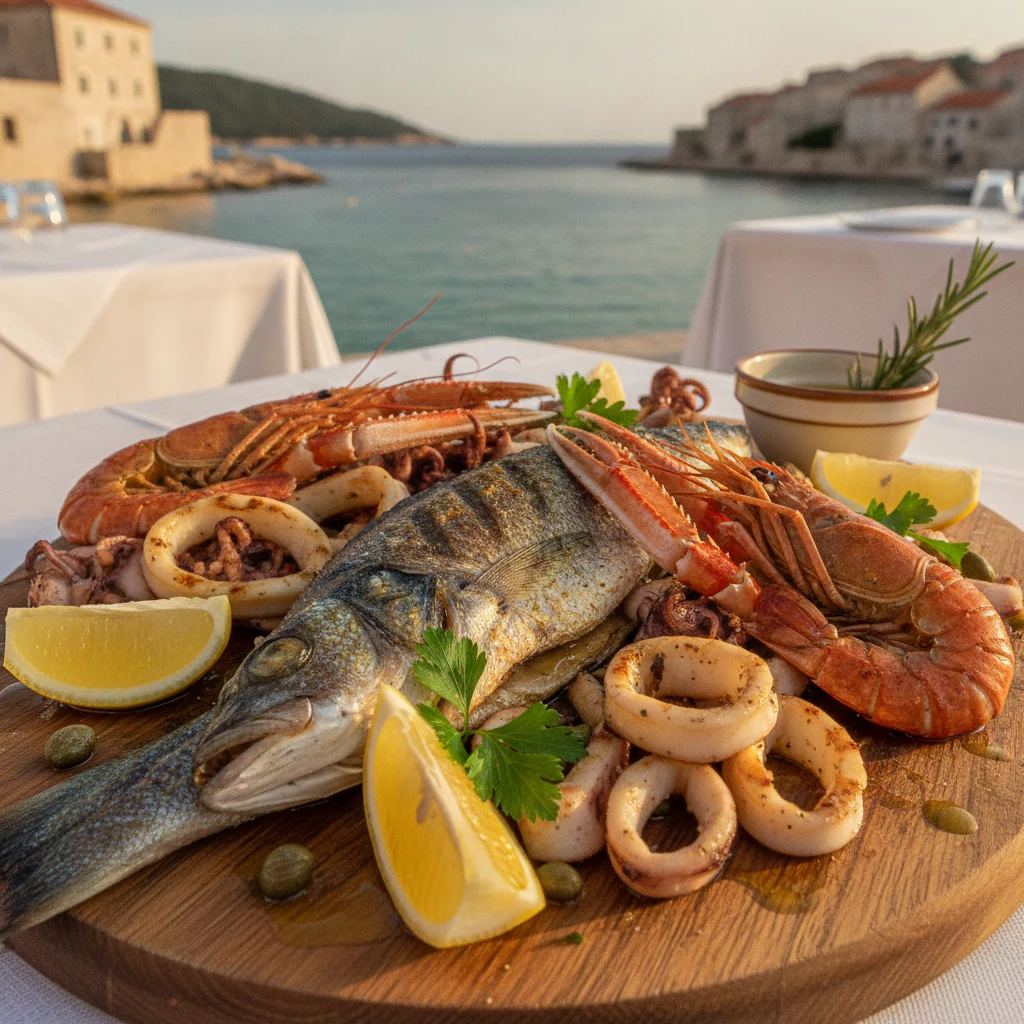
Comprehensive Price Breakdown & Comparison Table 2026
| Item | Low Season Price (€) | High Season Price (€) |
|---|---|---|
| Fresh Adriatic Fish (e.g., Sea Bass) | 15 | 30 |
| Octopus | 20 | 40 |
| Mussels | 8 | 15 |
| Fresh Shrimp | 25 | 50 |
| Seafood Platter (Restaurant) | 30 | 80 |
| Fish Soup (Restaurant) | 10 | 20 |
| Local Fish Market Prices | 10 | 25 |
| Canned Sardines | 2 | 5 |
| Fish & Chips (Restaurant) | 12 | 25 |
| Seafood Pasta (Restaurant) | 15 | 30 |
Regional Price Variations (Islands vs Coastal vs Inland)
Prices for seafood can vary widely across different regions of Croatia. Coastal areas, especially popular tourist destinations like Dubrovnik, Split, and Rovinj, tend to have higher prices due to demand. In contrast, smaller towns and inland areas may offer more affordable options.
- Hvar Island: Known for its high-end dining, expect to pay premium prices for seafood.
- Korčula Island: Offers a mix of budget and luxury options, with fresh catches available at local markets.
- Dubrovnik: Prices can be steep in the Old Town, but local eateries may provide better value.
- Split: A vibrant seafood market and numerous restaurants cater to various budgets.
- Rovinj: Renowned for its seafood, with prices reflecting the quality and freshness available.
Insider Money-Saving Tips & Tourist Traps to Avoid
To make the most of your seafood experience in Croatia without breaking the bank, consider the following tips:
- Local Lunch Specials (Marenda): Many restaurants offer discounted lunch specials, providing a great opportunity to enjoy fresh seafood at a lower price.
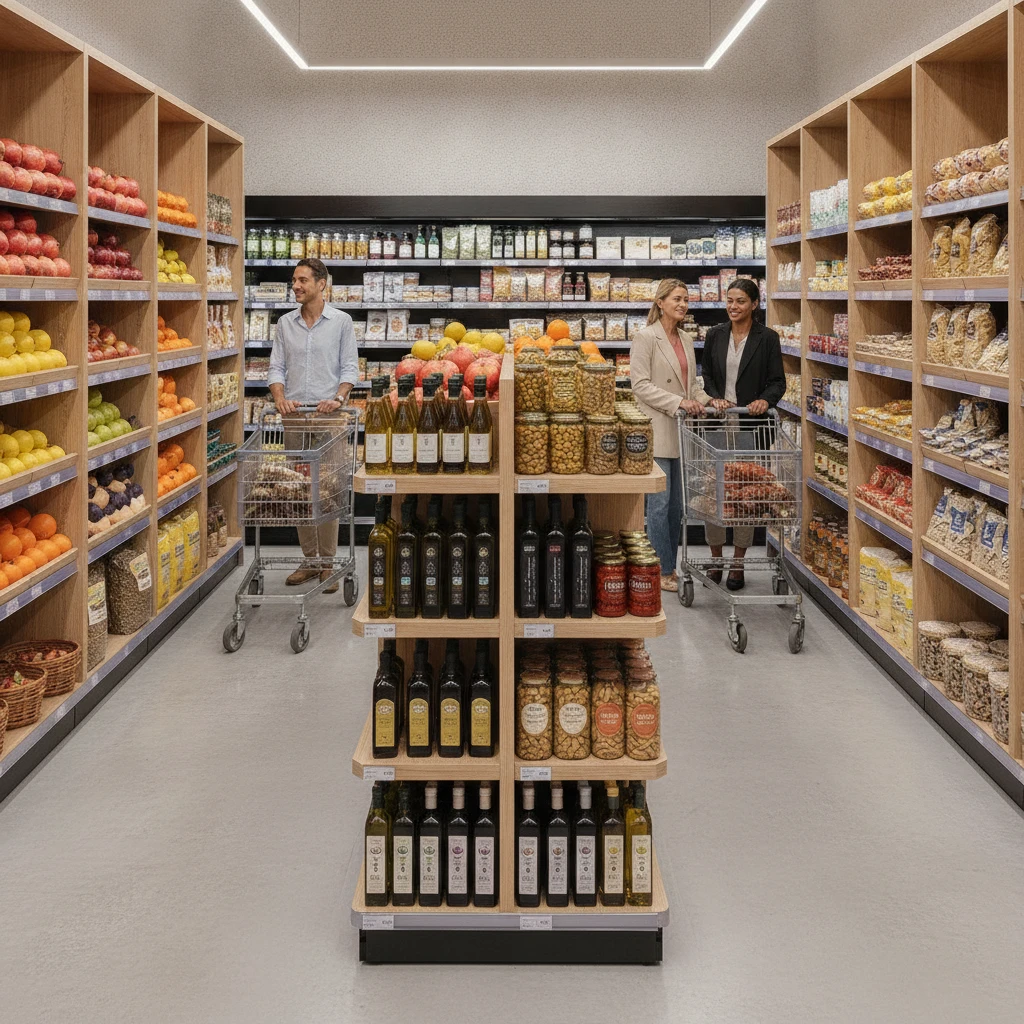
- Grocery Shopping Hacks: Visit local markets for fresh seafood at better prices than restaurants. Look for deals on bulk purchases.
- Avoid Dynamic Currency Conversion: When paying by card, opt to pay in local currency (HRK) to avoid unfavorable exchange rates.
- ATM Traps: Use ATMs affiliated with banks to avoid high withdrawal fees.
- Tipping Etiquette: While tipping is appreciated, it’s not mandatory. A small tip for good service is customary.
Payment Rules, Card Acceptance & Fiscal Receipts
In Croatia, it is essential to understand the payment landscape. Most establishments accept credit and debit cards, but having cash on hand is advisable, especially in smaller towns or markets. Croatian fiscal law mandates that businesses provide a fiscal receipt ('Fiskalni račun') for every transaction, which is important for tax purposes and can be requested if not offered automatically. Always ask for a receipt, especially when dining out or making significant purchases, to ensure transparency and accountability.