Current Situation & Pricing Overview 2026 in Croatia
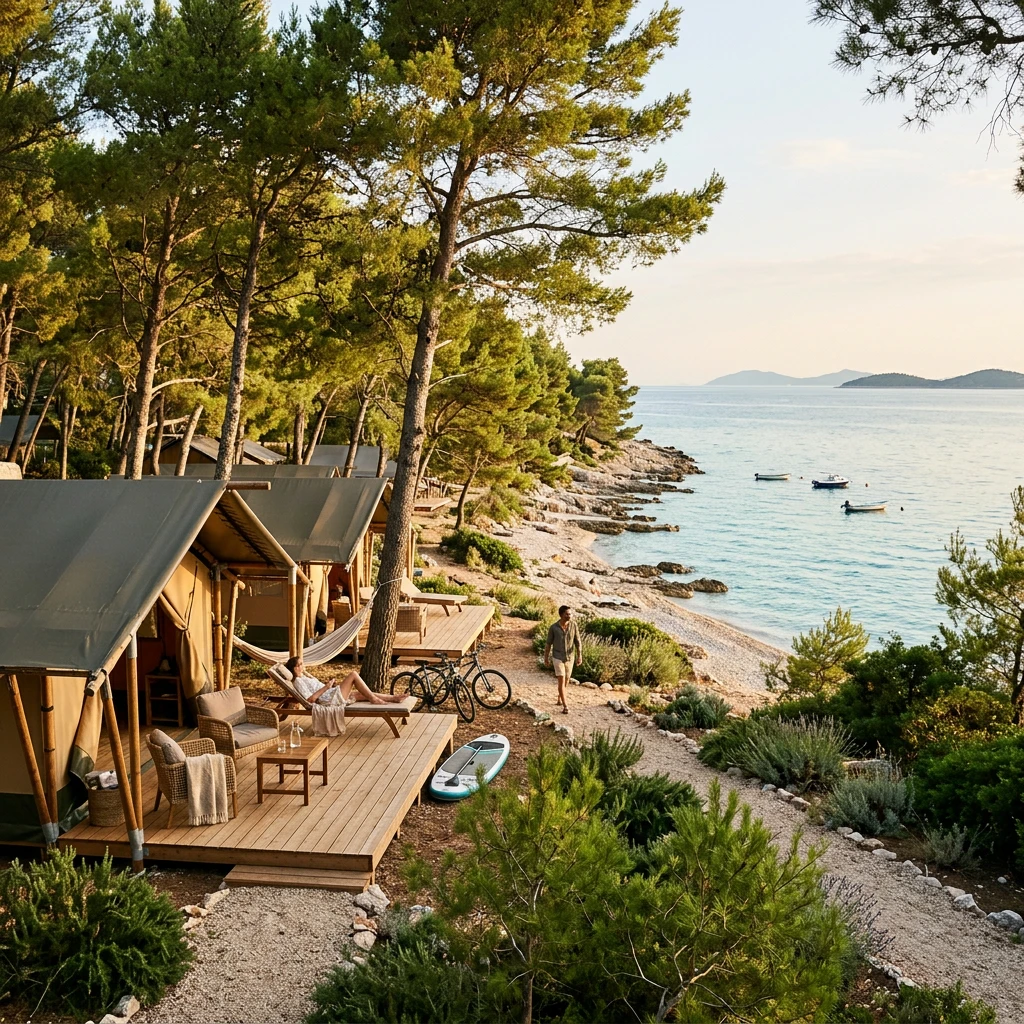
As of 2026, Croatia has embraced the Euro, leading to a shift in pricing structures across the tourism sector. Campsite and RV pitch prices have seen a moderate increase due to inflation and the rising demand for outdoor accommodations. Visitors can expect a range of prices depending on the season, location, and amenities offered. Coastal areas and popular islands tend to be pricier than inland regions, especially during the peak summer months.
- Informative estimated average prices in Euros (€)
- Transparent low vs. high peak season price breakdown below
Comprehensive Price Breakdown & Comparison Table 2026
| Service | Low Season Price (€) | High Season Price (€) |
|---|---|---|
| Campsite Pitch (Basic) | 15 € | 30 € |
| Campsite Pitch (Premium) | 30 € | 60 € |
| RV Pitch (Basic) | 20 € | 40 € |
| RV Pitch (Premium) | 40 € | 80 € |
| Tent Rental | 10 € | 25 € |
| Electric Hook-Up | 5 € | 10 € |
| Shower Facilities | 1 € | 3 € |
| Wi-Fi Access | 0 € | 5 € |
| Laundry Services | 3 € | 7 € |
| Local Food (Marenda) | 5 € | 15 € |
Regional Price Variations (Islands vs Coastal vs Inland)
In Croatia, prices for campsites and RV pitches vary significantly by region. The coastal areas, particularly hotspots like Dubrovnik and Split, tend to charge premium rates due to their popularity and proximity to stunning beaches. For example, a basic campsite pitch in Dubrovnik can cost around 40 € during high season, while in less touristy areas like Slavonia, it may only be 15 €.
Island campsites, such as those on Hvar and Korčula, also command higher prices, especially during the summer months. Expect to pay between 30 € to 60 € for a premium pitch. Conversely, inland campsites are generally more affordable, with prices ranging from 15 € to 25 €.
Insider Money-Saving Tips & Tourist Traps to Avoid
- Lunch Specials (Marenda): Look for local eateries offering 'Marenda' – a traditional lunch special that’s both delicious and budget-friendly, typically priced between 5 € to 15 €.
- Grocery Shopping Hacks: Purchase groceries from local markets instead of tourist shops to save money on meals.
- Avoid Dynamic Currency Conversion: When using ATMs, always choose to be charged in Euros to avoid unfavorable exchange rates.
- Tipping Etiquette: While not mandatory, rounding up the bill or leaving 5-10% is appreciated in restaurants and cafes.
Payment Rules, Card Acceptance & Fiscal Receipts
In Croatia, it is essential to understand the fiscal law ('Fiskalni račun') which mandates businesses to provide a fiscal receipt for all transactions. Always ask for a receipt when making purchases, as this ensures your transaction is recorded and can be useful for any disputes.
While credit and debit cards are widely accepted in urban areas and tourist hotspots, it's advisable to carry some cash, especially when visiting rural campsites or local markets. Ensure that your card is compatible with the European payment systems to avoid any inconvenience.