Current Situation & Pricing Overview 2026 in Croatia
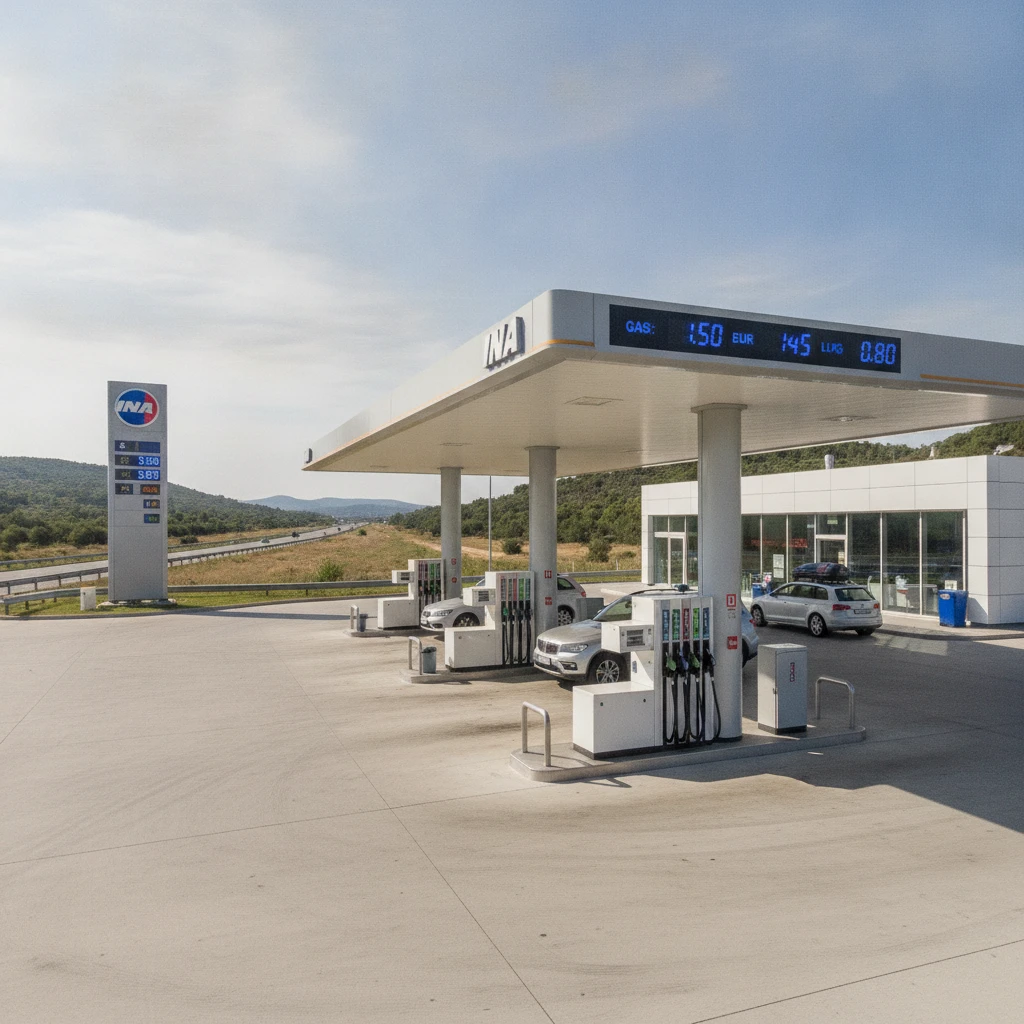
As Croatia embraces the Euro, fuel prices have seen a notable shift due to inflation and market adjustments. In 2026, tourists can expect to pay between 1.50 € and 1.80 € for petrol and 1.40 € to 1.70 € for diesel. These prices reflect a gradual increase post-Euro adoption, influenced by global oil prices and local economic conditions. For electric vehicle users, charging costs vary based on the type of charger, with fast chargers priced between 0.30 € and 0.50 € per kWh.
- Informative estimated average prices in Euros (€)
- Transparent low vs. high peak season price breakdown below
Comprehensive Price Breakdown & Comparison Table 2026
| Service | Low Season Price | High Season Price |
|---|---|---|
| Petrol (95 Octane) | 1.50 € | 1.80 € |
| Diesel | 1.40 € | 1.70 € |
| EV Charging (Fast Charger) | 0.30 € | 0.50 € |
| EV Charging (Standard Charger) | 0.20 € | 0.40 € |
| Car Wash | 5.00 € | 15.00 € |
| Parking (City Center) | 1.00 € | 3.00 € |
Regional Price Variations (Islands vs Coastal vs Inland)
Prices for petrol, diesel, and EV charging can vary significantly across Croatia's diverse regions. Coastal areas, particularly tourist hotspots like Dubrovnik and Split, tend to have higher fuel prices due to demand. In contrast, inland regions may offer slightly lower prices. Islands such as Hvar and Korčula often see inflated costs due to transportation logistics. It's advisable to refuel in larger towns or cities where prices are generally more competitive.
Insider Money-Saving Tips & Tourist Traps to Avoid
- Local Lunch Specials ('Marenda'): Look for local eateries offering 'Marenda' deals, which provide affordable meals for tourists.
- Grocery Shopping: Stock up on snacks and drinks at local supermarkets to avoid overpriced convenience store items.
- Avoid Dynamic Currency Conversion: Always choose to pay in the local currency (EUR) to avoid unfavorable exchange rates.
- Tipping Etiquette: Tipping is appreciated but not mandatory. A small tip (5-10%) is customary for good service.
Payment Rules, Card Acceptance & Fiscal Receipts
In Croatia, cash is still widely accepted, but credit and debit cards are increasingly common, especially in urban areas and tourist spots. It's essential to ask for a 'Fiskalni račun' (fiscal receipt) when making purchases, as this is required by Croatian law. Not only does it ensure proper accounting, but it also protects you in case of disputes. Be aware that some smaller establishments may only accept cash, so having some euros on hand is advisable.