Current Situation & Pricing Overview 2026 in Croatia
As Croatia continues to adapt to the Euro, food prices have seen a noticeable shift. The adoption of the Euro in 2023 has led to a gradual stabilization of prices, although inflation remains a concern. Visitors can expect to find a variety of options ranging from budget-friendly grocery stores to upscale dining experiences. The coastal regions, popular for their beaches and vibrant tourism, often have higher prices compared to inland areas, but the quality and freshness of the food are generally exceptional.
- Informative estimated average prices in Euros (€)
- Transparent low vs. high peak season price breakdown below
Comprehensive Price Breakdown & Comparison Table 2026
| Item/Service | Low Season Price (€) | High Season Price (€) |
|---|---|---|
| Bread (500g) | 0.80 | 1.20 |
| Milk (1L) | 0.90 | 1.50 |
| Eggs (12) | 2.50 | 3.50 |
| Chicken Breast (1kg) | 7.00 | 10.00 |
| Local Cheese (1kg) | 8.00 | 15.00 |
| Tomatoes (1kg) | 1.50 | 3.00 |
| Wine (1 bottle) | 5.00 | 20.00 |
| Beer (0.5L) | 1.50 | 3.00 |
| Pasta (500g) | 0.80 | 1.50 |
| Ice Cream (1L) | 3.00 | 6.00 |
Regional Price Variations (Islands vs Coastal vs Inland)
Prices can vary significantly depending on the region. For instance, popular islands like Hvar and Korčula tend to have higher prices due to their tourist appeal. In contrast, towns like Dubrovnik and Split, while also tourist hotspots, offer a range of dining options that can cater to different budgets. Inland areas, such as Slavonia, generally have lower prices for groceries and dining, making them ideal for budget-conscious travelers.
Insider Money-Saving Tips & Tourist Traps to Avoid
- Local Lunch Specials: Look for 'Marenda' deals, which are often affordable and include a meal and drink.
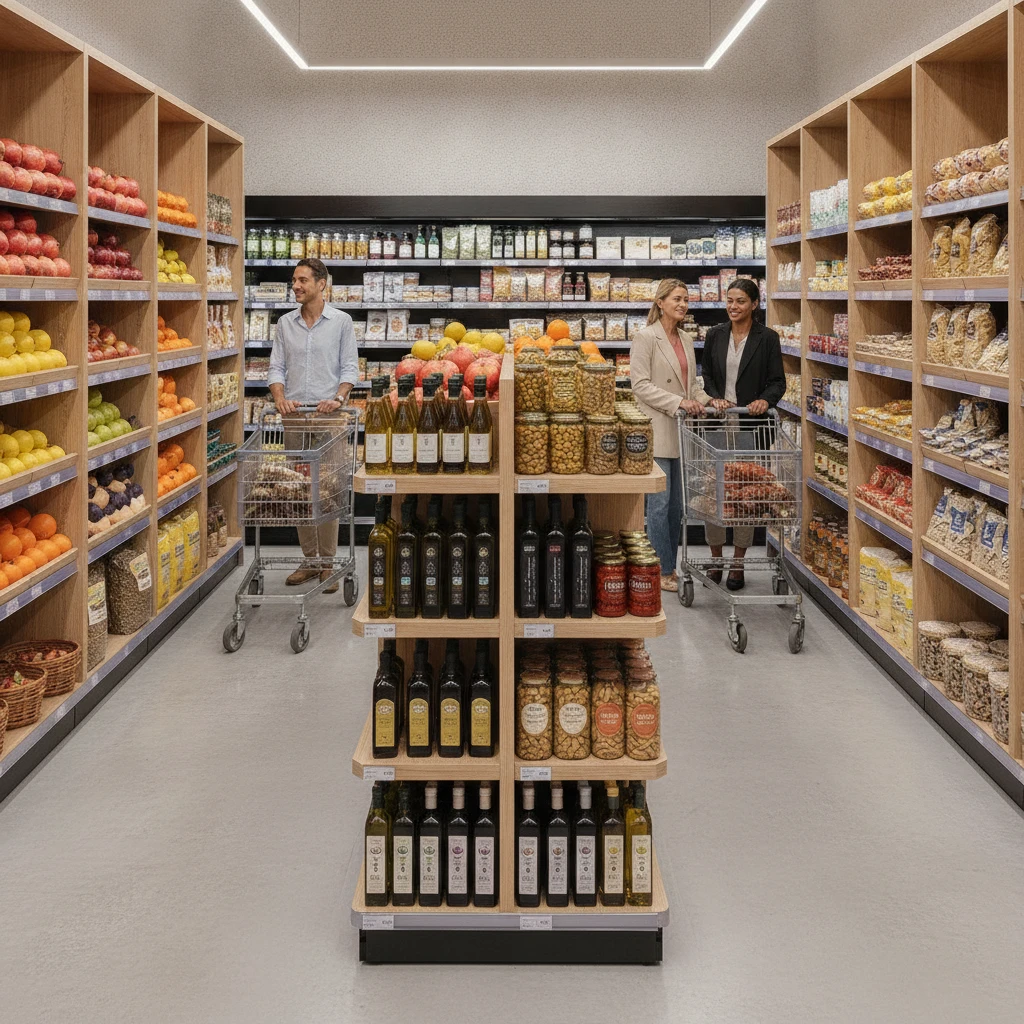
- Grocery Shopping Hacks: Visit local markets for fresh produce and better prices than supermarkets.
- Dynamic Currency Conversion: Avoid using this service at ATMs; it often results in unfavorable exchange rates.
- Tipping Etiquette: Tipping is appreciated but not mandatory; rounding up the bill is common.
Payment Rules, Card Acceptance & Fiscal Receipts
In Croatia, it's important to understand the fiscal law ('Fiskalni račun') which mandates that businesses provide a receipt for every transaction. Most supermarkets and grocery stores accept major credit and debit cards, but it's wise to have some cash on hand, especially in smaller towns where card acceptance may be limited. Always ask for a receipt to ensure your transaction is recorded properly, which is crucial for any potential disputes.