Current Situation & Pricing Overview 2026 in Croatia
As Croatia continues to adapt to the Euro, the pricing landscape for pharmaceuticals has seen some shifts. After the Euro adoption, many prices have stabilized, but inflation has led to moderate increases in costs for certain medications and health products. Tourists should expect to pay slightly more than they would in their home countries for some items, particularly in tourist-heavy areas.
- Informative estimated average prices in Euros (€)
- Transparent low vs. high peak season price breakdown below

Comprehensive Price Breakdown & Comparison Table 2026
| Item/Service | Low Season Price (€) | High Season Price (€) |
|---|---|---|
| Over-the-counter medications | 5 € | 15 € |
| Prescription medications | 10 € | 50 € |
| First aid supplies | 3 € | 20 € |
| Consultation fee | 0 € | 10 € |
| Vitamins and supplements | 5 € | 30 € |
| Personal care items | 5 € | 25 € |
Regional Price Variations (Islands vs Coastal vs Inland)
Prices for pharmaceuticals can vary significantly depending on the region. In popular tourist destinations like Hvar and Dubrovnik, prices tend to be higher due to demand. Conversely, inland areas may offer more competitive pricing. Here’s a brief overview:
- Hvar: Higher prices due to tourism, expect to pay 10-20% more.
- Dubrovnik: Premium pricing, especially in the Old Town.
- Split: Moderate pricing, with some pharmacies offering discounts.
- Inland Areas: Generally lower prices, with local pharmacies catering to residents.
Insider Money-Saving Tips & Tourist Traps to Avoid
To make the most of your pharmacy visits in Croatia, consider these tips:
- Local Lunch Specials ('Marenda'): Look for local eateries offering lunch specials to save on meals.
- Grocery Shopping Hacks: Buy personal care items at supermarkets for better prices than pharmacies.
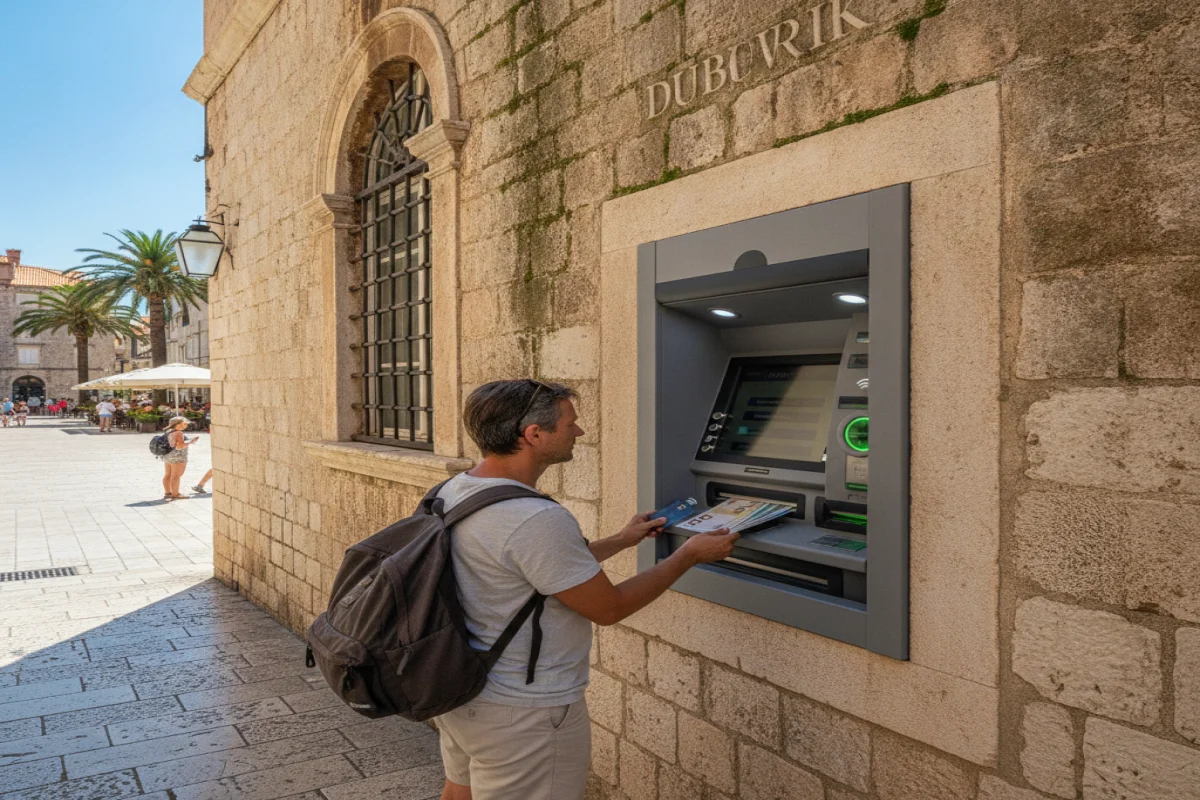
- Dynamic Currency Conversion: Avoid using this service at ATMs; always choose to pay in local currency for better rates.
- Tipping Etiquette: While not mandatory, rounding up your bill or leaving small change is appreciated.
Payment Rules, Card Acceptance & Fiscal Receipts
In Croatia, it's essential to understand the payment landscape:
- Fiscal Receipts ('Fiskalni račun'): Always ask for a receipt, as it's required by law and may be needed for warranty claims.
- Card Acceptance: Most pharmacies accept major credit and debit cards, but smaller establishments may prefer cash.
- Cash Reality: Having some cash on hand is advisable, especially in rural areas or smaller towns.