Current Situation & Pricing Overview 2026 in Croatia
In 2026, Croatia has seen significant changes in tire repair and replacement pricing, influenced by the adoption of the Euro and inflationary pressures. Tourists can expect to pay more than in previous years, but the prices remain reasonable compared to many Western European countries. The coastal areas, especially during the summer tourist season, may see inflated prices due to high demand.
- Informative estimated average prices in Euros (€)
- Transparent low vs. high peak season price breakdown below
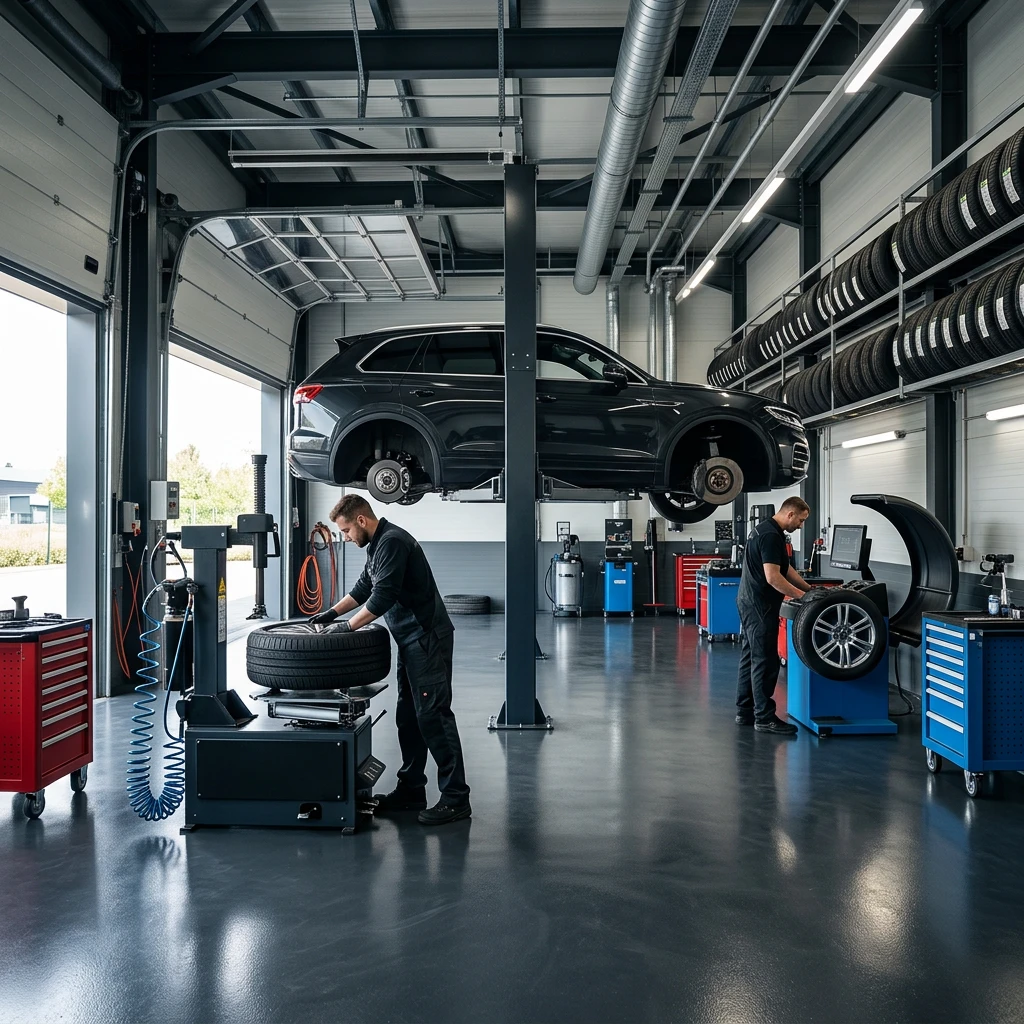
Comprehensive Price Breakdown & Comparison Table 2026
| Service | Low Season Price (€) | High Season Price (€) |
|---|---|---|
| Tire Repair | 15 € | 30 € |
| Tire Replacement (Budget) | 50 € | 80 € |
| Tire Replacement (Premium) | 90 € | 150 € |
| Wheel Alignment | 30 € | 50 € |
| Tire Balancing | 20 € | 40 € |
| Emergency Roadside Assistance | 50 € | 100 € |
Regional Price Variations (Islands vs Coastal vs Inland)
Prices for tire services can vary significantly across Croatia. Coastal regions, such as Dubrovnik and Split, tend to have higher prices due to the influx of tourists. In contrast, inland areas may offer more competitive rates. Popular islands like Hvar and Korčula may also see elevated prices during peak tourist seasons. Here’s a brief overview of regional variations:
- Dubrovnik: Higher prices due to tourist demand.
- Split: Moderate pricing, with a range of options available.
- Hvar: Premium pricing during summer months.
- Inland Areas: Generally lower prices, especially in smaller towns.
Insider Money-Saving Tips & Tourist Traps to Avoid
- Look for local lunch specials known as 'Marenda' for affordable meals.
- Consider grocery shopping for snacks and drinks to save money.
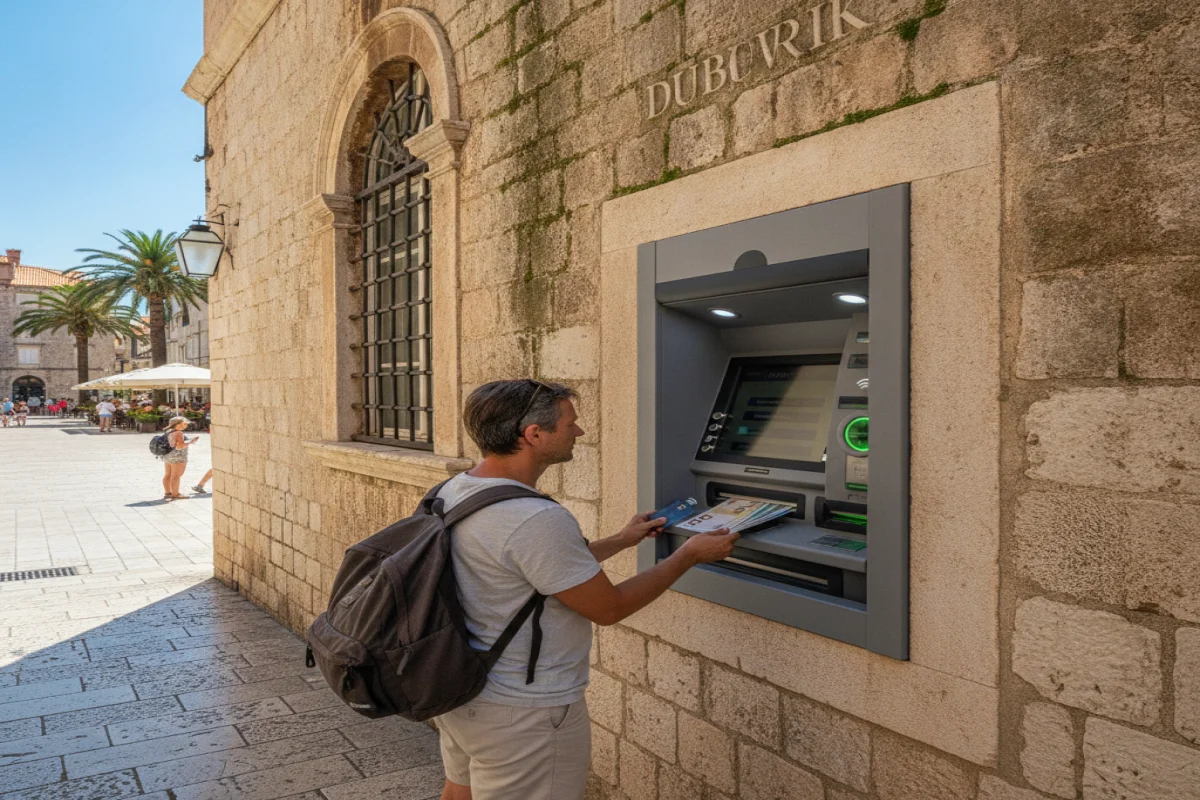
- Avoid dynamic currency conversion at ATMs; always choose to pay in local currency.
- Tip around 10% for good service, but check if a service charge is included.
Payment Rules, Card Acceptance & Fiscal Receipts
In Croatia, it is essential to understand the fiscal law known as 'Fiskalni račun'. Always ask for a receipt after any transaction, as it is a legal requirement for businesses. While credit cards are widely accepted, especially in urban areas and tourist hotspots, cash is still preferred in smaller towns and local establishments. Carrying some cash is advisable for emergencies or small purchases.