Current Situation & Pricing Overview 2026 in Croatia
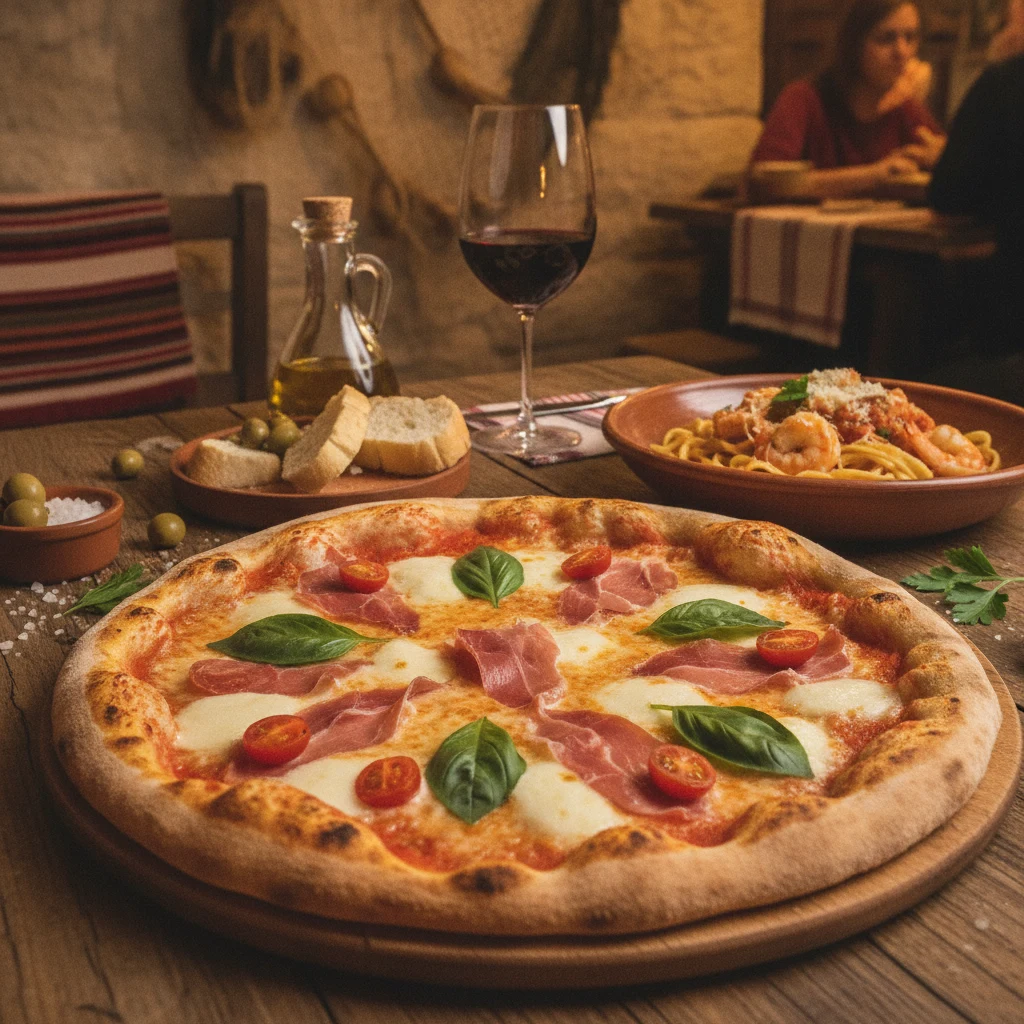
As Croatia continues to embrace the Euro, the dining landscape has shifted, particularly for popular dishes like pizza and pasta. Inflation has led to noticeable price increases, yet the overall cost of dining remains reasonable compared to Western Europe. Visitors can expect to pay between 6 € and 20 € for a variety of pizza and pasta dishes, depending on the location and season.
In coastal areas, especially during the summer tourist season, prices may rise due to increased demand. However, off-season visitors can find more budget-friendly options, particularly in local taverns and pizzerias.
- Informative estimated average prices in Euros (€)
- Transparent low vs. high peak season price breakdown below
Comprehensive Price Breakdown & Comparison Table 2026
| Dish | Low Season Price (€) | High Season Price (€) | Budget Range (€) | Luxury Range (€) |
|---|---|---|---|---|
| Margherita Pizza | 6 € | 12 € | 6 € | 12 € |
| Pepperoni Pizza | 8 € | 14 € | 8 € | 14 € |
| Seafood Pasta | 12 € | 20 € | 12 € | 20 € |
| Pasta Bolognese | 8 € | 15 € | 8 € | 15 € |
| Pasta Carbonara | 9 € | 16 € | 9 € | 16 € |
| Vegetarian Pizza | 7 € | 13 € | 7 € | 13 € |
| Lasagna | 10 € | 18 € | 10 € | 18 € |
| Pizza of the Day | 7 € | 15 € | 7 € | 15 € |
| Gnocchi | 8 € | 14 € | 8 € | 14 € |
| Pasta Primavera | 9 € | 17 € | 9 € | 17 € |
Regional Price Variations (Islands vs Coastal vs Inland)
Prices for pizza and pasta can vary significantly across different regions of Croatia. Coastal cities like Dubrovnik and Split tend to have higher prices due to their popularity among tourists. Here’s a brief overview of regional pricing:
- Coastal Areas: Expect to pay 10% to 20% more in tourist hotspots like Dubrovnik and Split compared to inland areas.
- Islands: Islands such as Hvar and Korčula may have slightly elevated prices due to transportation costs, but they also offer unique local dishes.
- Inland Areas: Cities like Zagreb and Osijek generally have lower prices, with many local eateries offering great value for money.
Insider Money-Saving Tips & Tourist Traps to Avoid
To make the most of your dining experience in Croatia without breaking the bank, consider these insider tips:
- Local Lunch Specials ('Marenda'): Many restaurants offer affordable lunch specials that provide great value.
- Grocery Shopping: For those staying in self-catering accommodations, local markets offer fresh ingredients at lower prices.
- Avoid Tourist Traps: Steer clear of restaurants with extensive menus and flashy signs in tourist areas; they often charge more for lower quality.
- Dynamic Currency Conversion: When using ATMs or credit cards, opt to pay in local currency to avoid unfavorable exchange rates.
- Tipping Etiquette: While tipping is appreciated, rounding up the bill or leaving a small percentage is sufficient.
Payment Rules, Card Acceptance & Fiscal Receipts
In Croatia, cash is still widely accepted, but credit and debit cards are increasingly common, especially in urban areas and tourist spots. Here are some important points regarding payments:
- Card Acceptance: Most restaurants accept major credit cards, but it's wise to check before ordering.
- Fiscal Receipts ('Fiskalni račun'): Croatian law requires businesses to issue a fiscal receipt for every transaction. Always ask for one, as it helps with potential disputes and is necessary for tax purposes.
- Cash vs. Card: While cards are convenient, having some cash on hand is advisable for smaller establishments or rural areas.