Current Situation & Pricing Overview 2026 in Croatia
Since the adoption of the Euro in 2023, Croatia has seen a significant shift in its pricing landscape. Inflation has affected various sectors, but the overall cost of living remains reasonable compared to other European destinations. Tourists can expect a range of prices depending on the season, location, and type of service. Coastal areas, especially during the summer months, can be pricier due to high demand, while inland regions offer more budget-friendly options.
- Informative estimated average prices in Euros (€)
- Transparent low vs. high peak season price breakdown below
Comprehensive Price Breakdown & Comparison Table 2026
| Service | Low Season | High Season |
|---|---|---|
| Meal at a mid-range restaurant | 15 € | 30 € |
| Local beer (0.5L) | 3 € | 5 € |
| Public transport ticket | 1 € | 3 € |
| Beach chair rental | 5 € | 15 € |
| Coffee at a café | 1.50 € | 3 € |
| Guided tour (half-day) | 30 € | 70 € |
Regional Price Variations (Islands vs Coastal vs Inland)
Prices in Croatia can vary significantly based on location. Coastal cities like Dubrovnik and Split tend to be more expensive, especially in peak tourist season. In contrast, islands such as Hvar and Korčula offer a mix of luxury and budget options, while inland areas like Slavonia provide more affordable experiences. Here’s a quick comparison:
- Dubrovnik: High-end dining and accommodations, average meal costs around 25 €.
- Split: Mid-range options dominate, with meals averaging 20 €.
- Hvar: Luxury beach clubs and restaurants, expect to pay 30 € or more for a meal.
- Rovinj: A balance of affordability and quality, with meals around 15 €.
- Inland (e.g., Slavonia): Budget-friendly, meals can be as low as 10 €.
Insider Money-Saving Tips & Tourist Traps to Avoid
To make the most of your budget in Croatia, consider these tips:
- Lunch Specials: Look for 'Marenda' deals in local eateries, offering substantial meals at lower prices.
- Grocery Shopping: Buy snacks and drinks from supermarkets instead of tourist shops to save money.
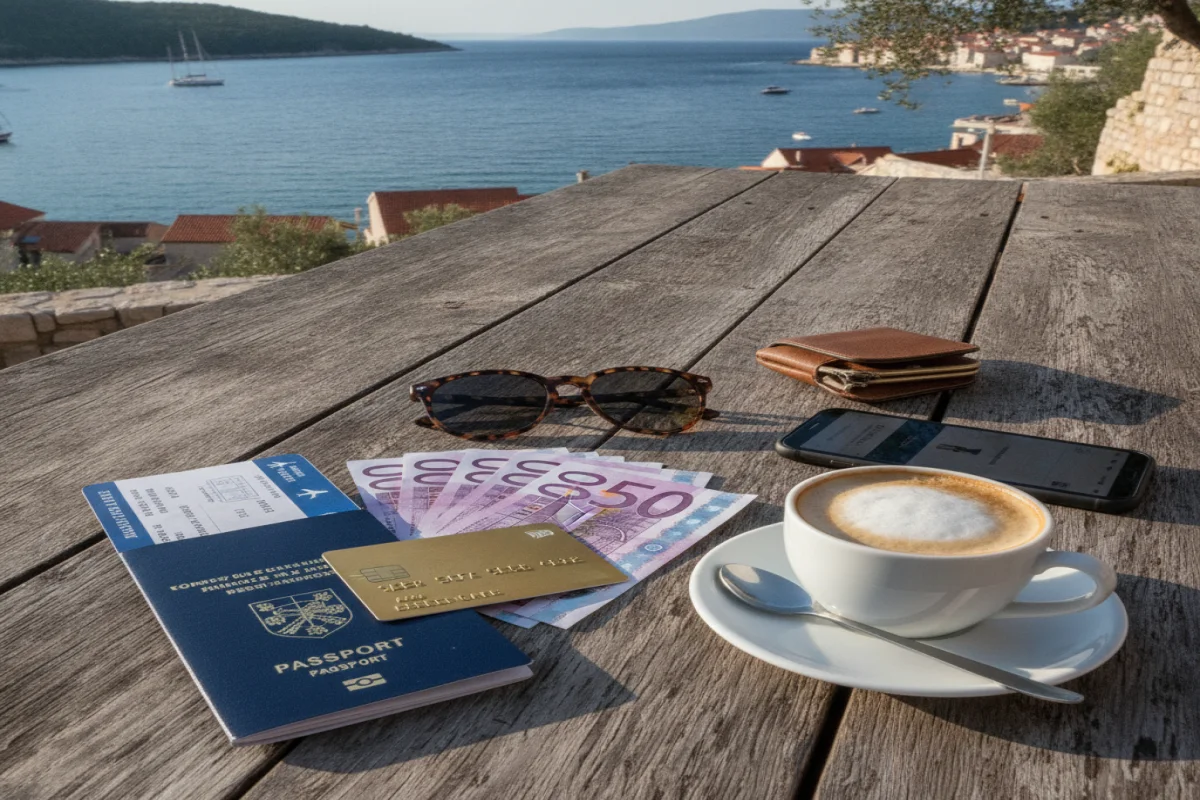
- ATM Fees: Avoid dynamic currency conversion; always choose to pay in local currency to avoid extra charges.
- Tipping: Round up your bill or leave around 10% in restaurants; it’s appreciated but not mandatory.
- Public Transport: Use buses or ferries instead of taxis to cut costs significantly.
Payment Rules, Card Acceptance & Fiscal Receipts
In Croatia, both cash and card payments are widely accepted. However, it’s essential to ask for a 'Fiskalni račun' (fiscal receipt) after any purchase, as this is required by law and helps ensure that the transaction is recorded properly. While credit and debit cards are accepted in most places, smaller shops and markets may only take cash. Always check with the vendor if you’re unsure.