Current Situation & Pricing Overview 2026 in Croatia
As of 2026, Croatia has fully adopted the Euro, significantly impacting restaurant and dining prices across the country. The transition has seen an increase in costs due to inflation, particularly in tourist hotspots along the coast. Visitors can expect to pay more for meals in popular cities like Dubrovnik and Split compared to inland areas. Understanding these changes is essential for budgeting your culinary experiences.
- Informative estimated average prices in Euros (€)
- Transparent low vs. high peak season price breakdown below
Comprehensive Price Breakdown & Comparison Table 2026
| Service | Low Season Price (€) | High Season Price (€) |
|---|---|---|
| Coffee (Cappuccino) | 2.50 | 4.50 |
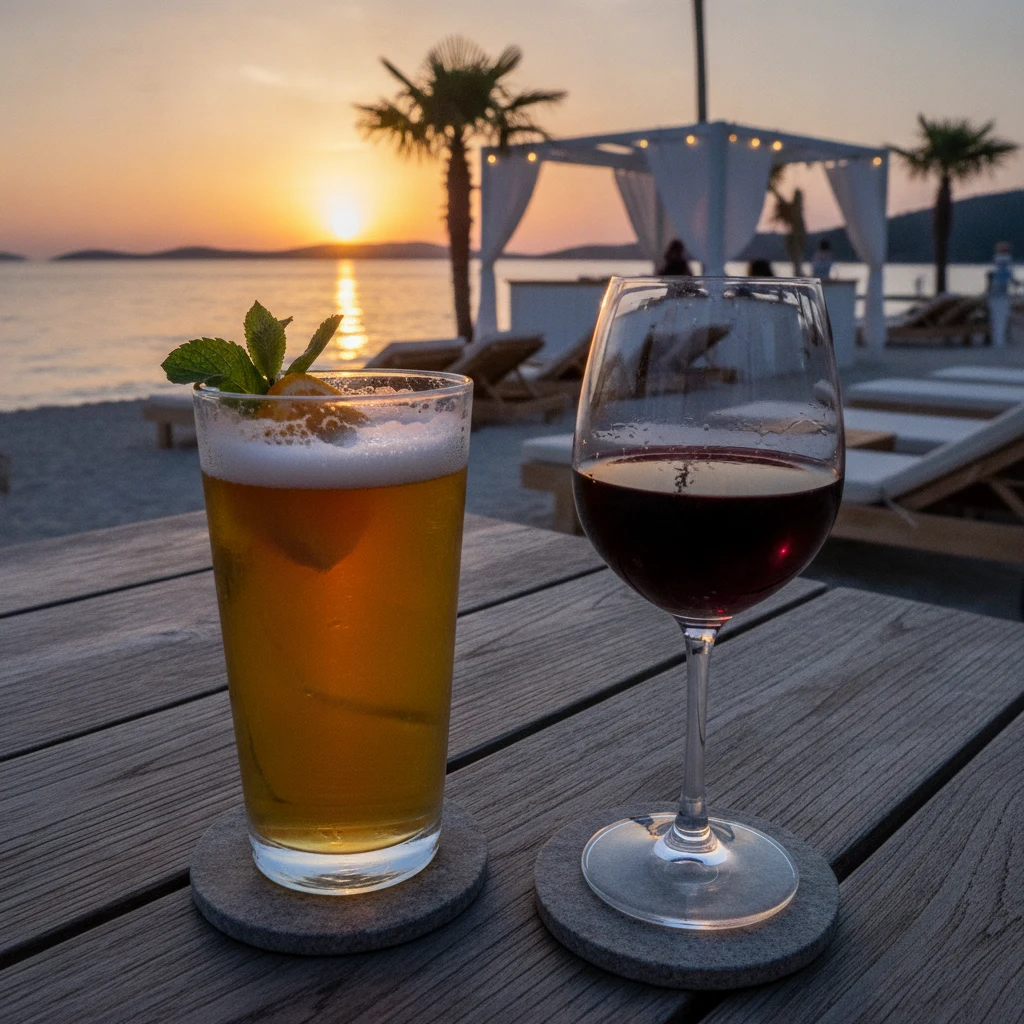
| Local Beer (0.5L) | 3.00 | 6.00 |
| Lunch Special (Marenda) | 7.00 | 15.00 |
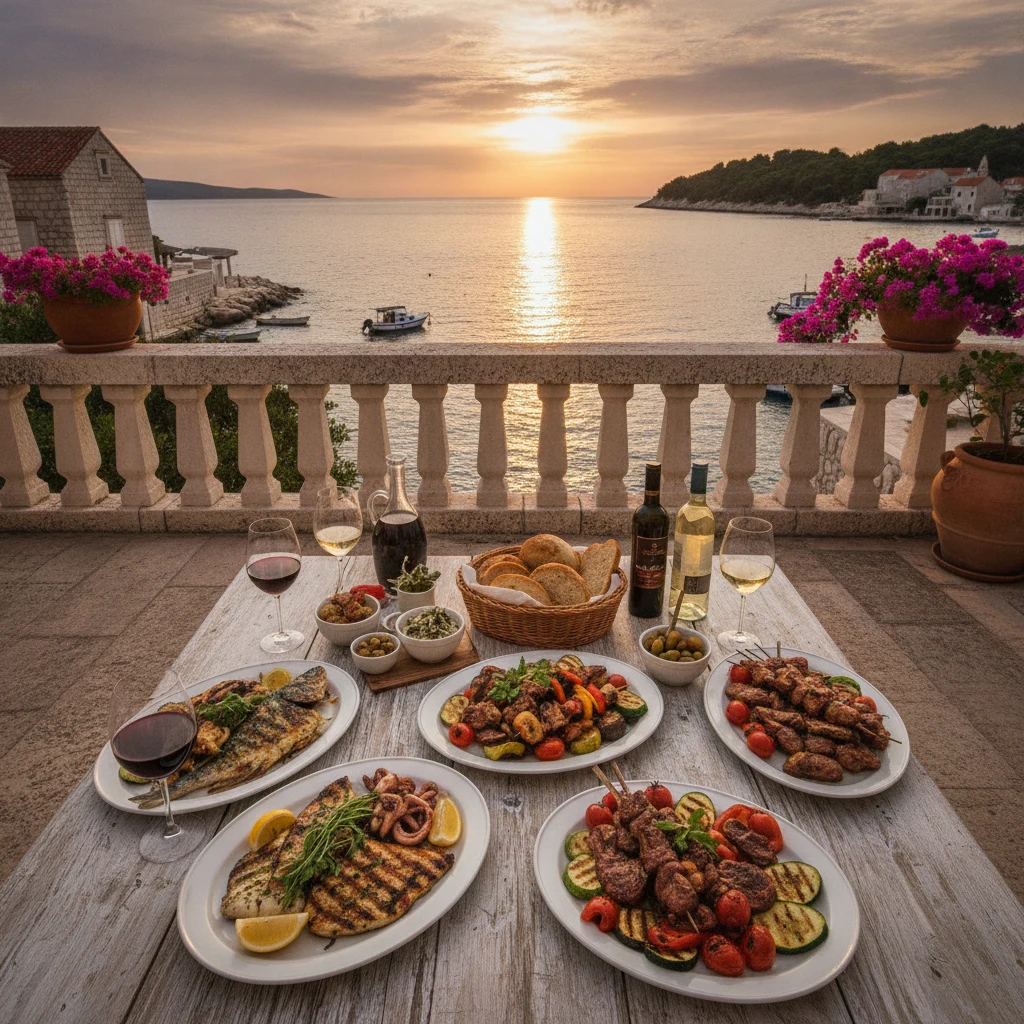
| Dinner (3-course meal) | 25.00 | 60.00 |
| Bottle of Wine | 10.00 | 30.00 |
| Fast Food Meal | 5.00 | 10.00 |
Regional Price Variations (Islands vs Coastal vs Inland)
Prices for dining can vary significantly across different regions of Croatia. In coastal areas and popular islands like Hvar and Korčula, expect to pay premium prices, especially during the summer tourist season. In contrast, inland areas such as Slavonia or Zagorje offer more affordable dining options. Here’s a brief overview:
- Coastal Cities (Dubrovnik, Split): Higher prices due to tourism.
- Islands (Hvar, Korčula): Premium dining experiences with stunning views, but at a cost.
- Inland Areas (Zagreb, Slavonia): More budget-friendly options with authentic local cuisine.
Insider Money-Saving Tips & Tourist Traps to Avoid
To make the most of your dining budget in Croatia, consider these insider tips:
- Look for local lunch specials known as 'Marenda', which are often affordable and filling.
- Shop at local markets for snacks and drinks to save on meals.
- Be wary of dynamic currency conversion at ATMs and card terminals; opt to pay in Euros.
- Avoid restaurants with tourist menus that lack authenticity and often charge higher prices.
Payment Rules, Card Acceptance & Fiscal Receipts
In Croatia, both cash and card payments are widely accepted. However, it's essential to ask for a fiscal receipt ('Fiskalni račun') after your meal, as this is a legal requirement for businesses. This receipt is crucial for any potential disputes. While credit cards are accepted in most establishments, smaller restaurants and markets may only accept cash, especially in rural areas. Always carry some cash for convenience.