Current Situation & Pricing Overview 2026 in Croatia
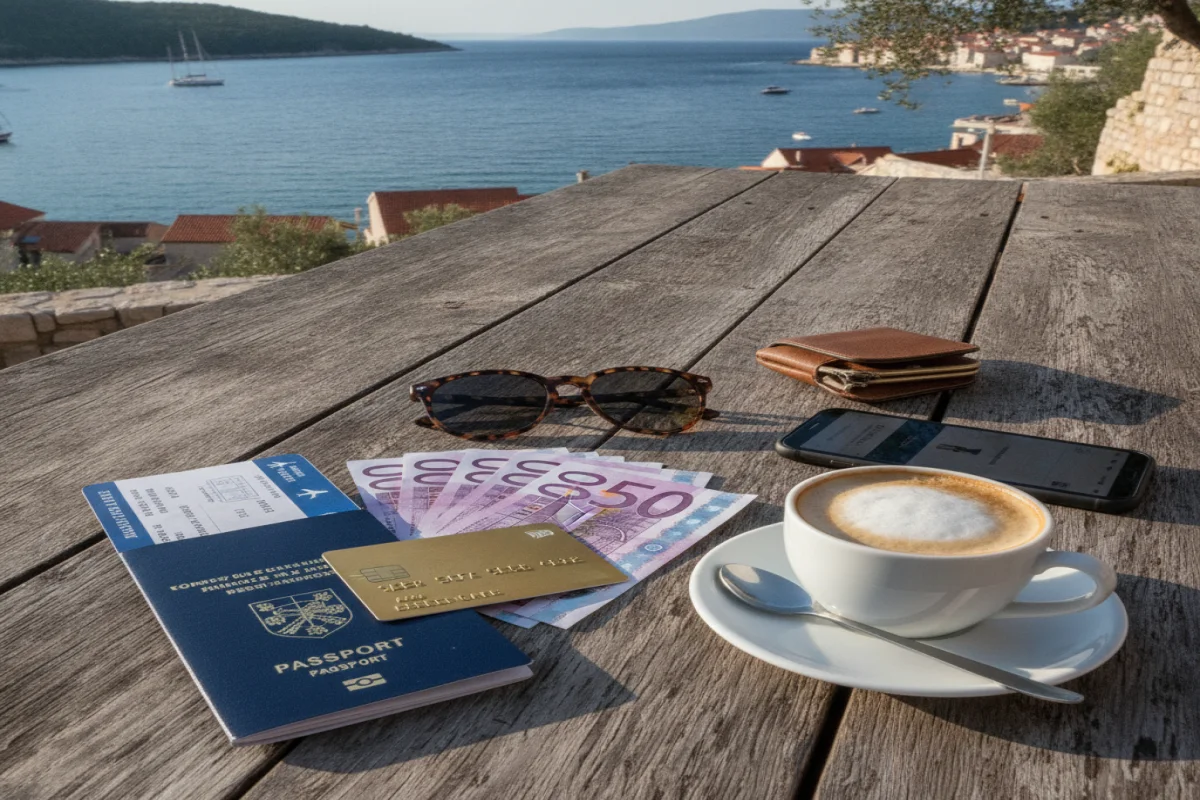
As of 2026, Croatia has fully embraced the Euro (€), which has led to noticeable changes in pricing across various sectors. The transition from the Kuna to the Euro has generally stabilized prices, but inflation has also played a role, particularly in tourist-heavy areas. Visitors should expect to pay more in popular destinations like Dubrovnik and Split compared to less frequented inland regions. Overall, budgeting around 60-100 € per day for a comfortable experience is advisable.
- Informative estimated average prices in Euros (€)
- Transparent low vs. high peak season price breakdown below
Comprehensive Price Breakdown & Comparison Table 2026
| Item/Service | Low Season | High Season |
|---|---|---|
| Meal at a mid-range restaurant | 15 € | 30 € |
| Local beer (0.5L) | 3 € | 5 € |
| Public transport ticket | 1.50 € | 3 € |
| Beach chair rental | 5 € | 10 € |
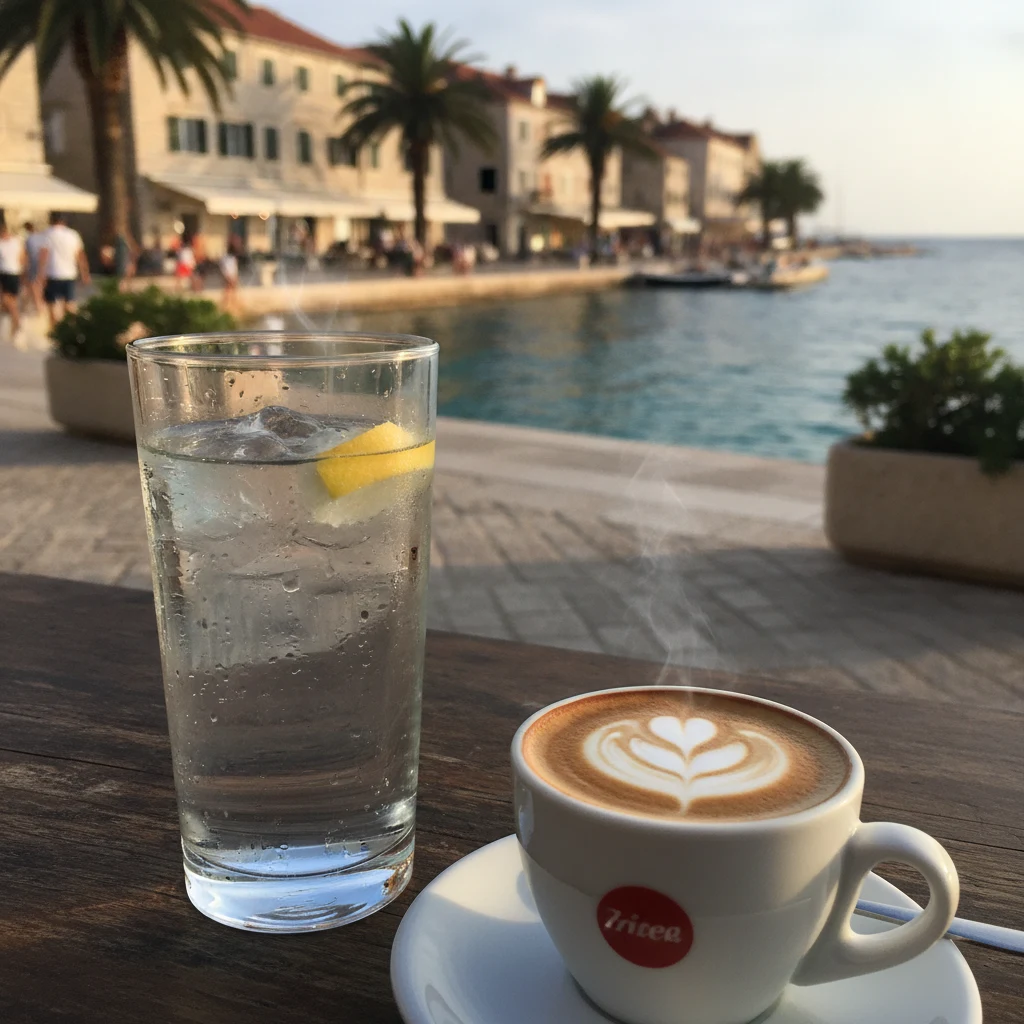
| Coffee at a café | 2 € | 4 € |
| Guided tour | 30 € | 100 € |
Regional Price Variations (Islands vs Coastal vs Inland)
Price variations are significant across Croatia's regions. Coastal areas like Dubrovnik and Hvar can be considerably more expensive than inland towns such as Slavonski Brod. For example, a meal in Dubrovnik may cost 25-40 €, while the same meal in a smaller town could be as low as 10-15 €. Island destinations often have higher prices due to transportation costs, especially in peak season.
Insider Money-Saving Tips & Tourist Traps to Avoid
- Local Lunch Specials ('Marenda'): Many restaurants offer affordable lunch specials that can save you money.
- Grocery Shopping Hacks: Visit local markets for fresh produce and snacks instead of dining out for every meal.
- Dynamic Currency Conversion: Avoid using this feature at ATMs or payment terminals to prevent hidden fees.
- Tipping Etiquette: While tipping is appreciated, rounding up the bill or leaving a small percentage is usually sufficient.
- Research Restaurants: Check reviews and avoid dining in places directly on main tourist paths to escape inflated prices.
Payment Rules, Card Acceptance & Fiscal Receipts
In Croatia, both cash and cards are accepted, but it's essential to know that some smaller establishments may only take cash. Croatian fiscal law ('Fiskalni račun') mandates that businesses provide fiscal receipts for all transactions, which is crucial for tax purposes. Always ask for a receipt, especially for larger purchases, as it can help resolve any disputes or issues later on.