Current Situation & Pricing Overview 2026 in Croatia
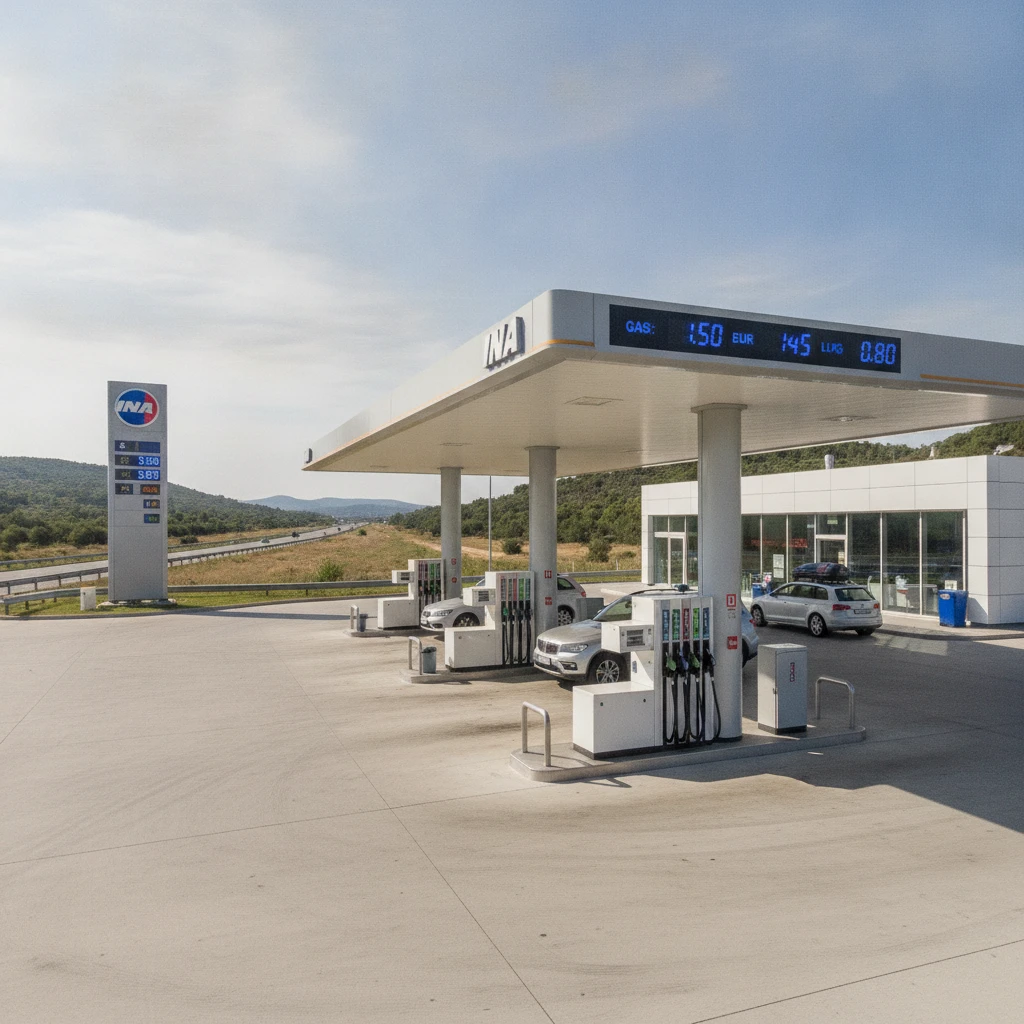
As Croatia transitions fully into the Eurozone, the fuel market has experienced notable shifts. In 2026, the average prices for petrol and diesel have seen a moderate increase due to inflation and global fuel market trends. Visitors should expect to pay between 1.50 € and 1.80 € for petrol (95 Octane) and 1.40 € to 1.70 € for diesel. The adoption of the Euro has streamlined pricing, making it easier for tourists to budget their travel expenses.
- Informative estimated average prices in Euros (€)
- Transparent low vs. high peak season price breakdown below
Comprehensive Price Breakdown & Comparison Table 2026
| Service | Low Season Price | High Season Price |
|---|---|---|
| Petrol (95 Octane) | 1.50 € | 1.80 € |
| Diesel | 1.40 € | 1.70 € |
| EV Charging | 0.30 € | 0.60 € |
| Car Rental (Economy) | 30 € | 70 € |
| Local Lunch Special (Marenda) | 8 € | 15 € |
| Coffee in Tourist Areas | 2 € | 5 € |
Regional Price Variations (Islands vs Coastal vs Inland)
Fuel prices in Croatia can vary significantly based on location. Coastal areas and popular islands such as Hvar and Korčula often have higher fuel prices due to transportation costs. For instance, in Dubrovnik and Split, petrol prices may reach the upper end of the spectrum, while inland towns like Slavonski Brod might offer slightly lower rates. Always check local fuel stations for the best prices.
Insider Money-Saving Tips & Tourist Traps to Avoid
- Local Lunch Specials (Marenda): Enjoy affordable meals at local eateries during lunch hours, typically offering great value.
- Grocery Shopping Hacks: Purchase snacks and drinks from local supermarkets instead of tourist shops to save money.
- Dynamic Currency Conversion/ATM Traps: Avoid using dynamic currency conversion at ATMs; always choose to be charged in local currency.
- Tipping Etiquette: A small tip (around 10%) is appreciated but not mandatory; round up your bill instead.
Payment Rules, Card Acceptance & Fiscal Receipts
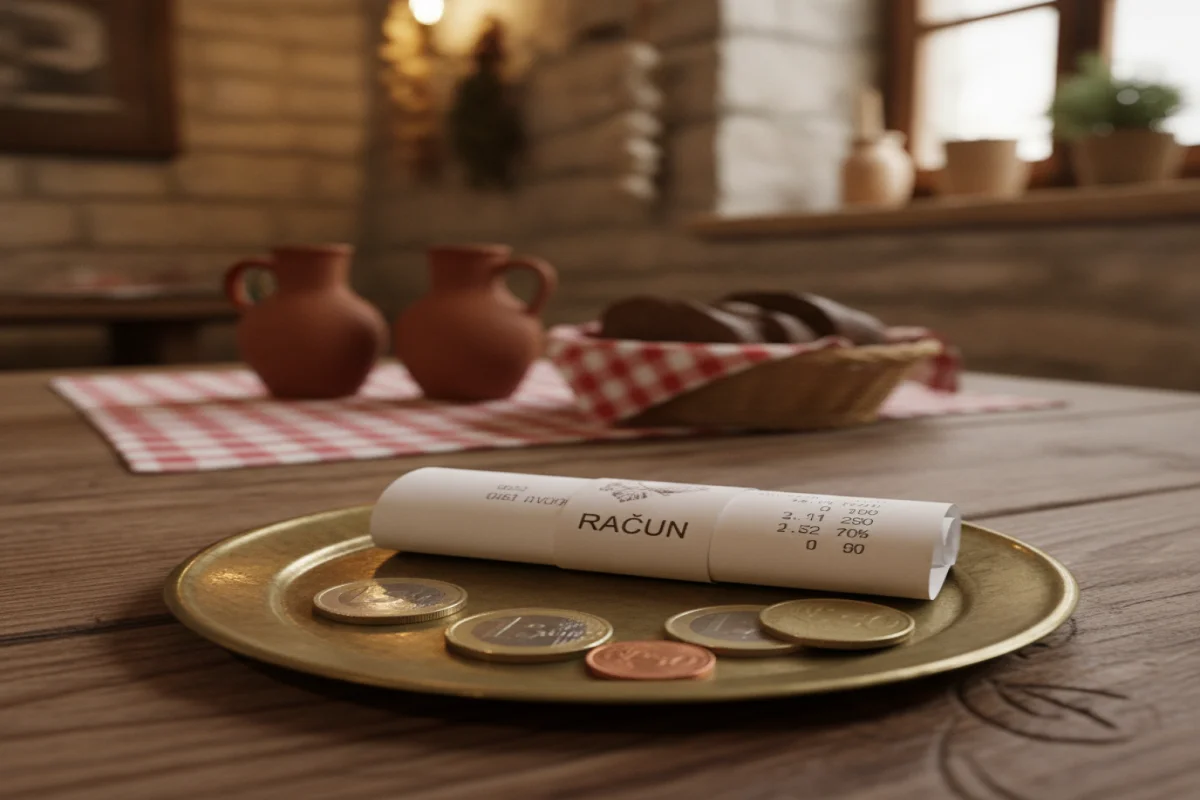
In Croatia, it is important to understand the fiscal law ('Fiskalni račun'). When making purchases, especially for fuel, always ask for a fiscal receipt. This not only ensures you are charged correctly but also protects you from potential overcharges. While credit and debit cards are widely accepted, especially in urban areas, carrying some cash is advisable for rural locations where card acceptance may be limited.