Current Situation & Pricing Overview 2026 in Croatia
Since the adoption of the Euro in 2023, Croatia has experienced a shift in its pricing landscape, particularly in the food sector. Inflation has impacted costs, but the bakery and street food scene remains budget-friendly for tourists. Visitors can expect to find a variety of delicious options at reasonable prices, especially along the stunning coastal regions where culinary traditions thrive.
- Informative estimated average prices in Euros (€)
- Transparent low vs. high peak season price breakdown below
Comprehensive Price Breakdown & Comparison Table 2026
| Item | Low Season Price (€) | High Season Price (€) |
|---|---|---|
| Burek (cheese or meat) | 2.00 | 5.00 |
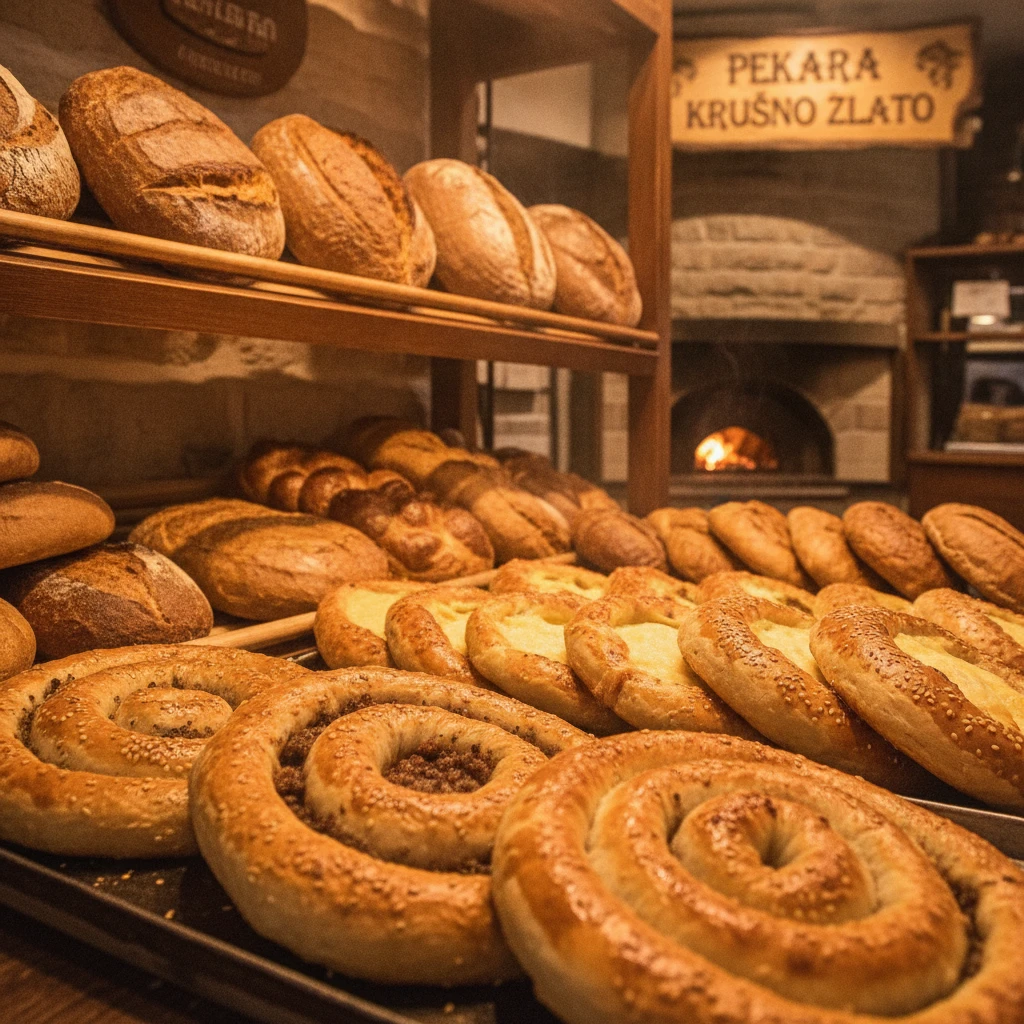
| Croatian Pastries (Kiflice, Pita) | 1.50 | 4.00 |
| Street Food (Hot Dogs, Burgers) | 3.00 | 7.00 |
| Coffee (Espresso, Cappuccino) | 1.50 | 3.50 |
| Bakery Breakfast Combo | 5.00 | 10.00 |
| Local Wine (Glass) | 2.00 | 5.00 |
Regional Price Variations (Islands vs Coastal vs Inland)
Prices can vary significantly between regions in Croatia. Coastal areas, particularly tourist hotspots like Dubrovnik and Split, tend to have higher prices due to demand. For instance, a piece of burek may cost around 3 € in Split but could be found for as low as 2 € in smaller towns. On the islands like Hvar and Korčula, expect to pay a premium for bakery items, especially during peak tourist season. In contrast, inland areas may offer more affordable prices, with local bakeries providing excellent value for traditional pastries.
Insider Money-Saving Tips & Tourist Traps to Avoid
- Look for 'Marenda': Many bakeries offer lunch specials at reduced prices during midday hours.
- Shop at Local Markets: Grocery stores and local markets often have better prices than tourist-oriented bakeries.
- Avoid Dynamic Currency Conversion: When using ATMs, choose to be charged in Euros to avoid unfavorable exchange rates.
- Tip Wisely: While tipping is appreciated, rounding up the bill is often sufficient in bakeries and cafes.
- Explore Local Bakeries: Venture away from tourist traps to find authentic and cheaper bakery options.
Payment Rules, Card Acceptance & Fiscal Receipts
In Croatia, it is mandatory for businesses to provide a fiscal receipt ('Fiskalni račun') for every transaction. This is important for tax purposes and ensures that the business is compliant with Croatian law. Most bakeries and street food vendors accept credit cards, but it is advisable to carry cash, especially in rural areas. Always ask for a receipt, as it can be useful for any potential disputes or refunds.