Current Situation & Pricing Overview 2026 in Croatia
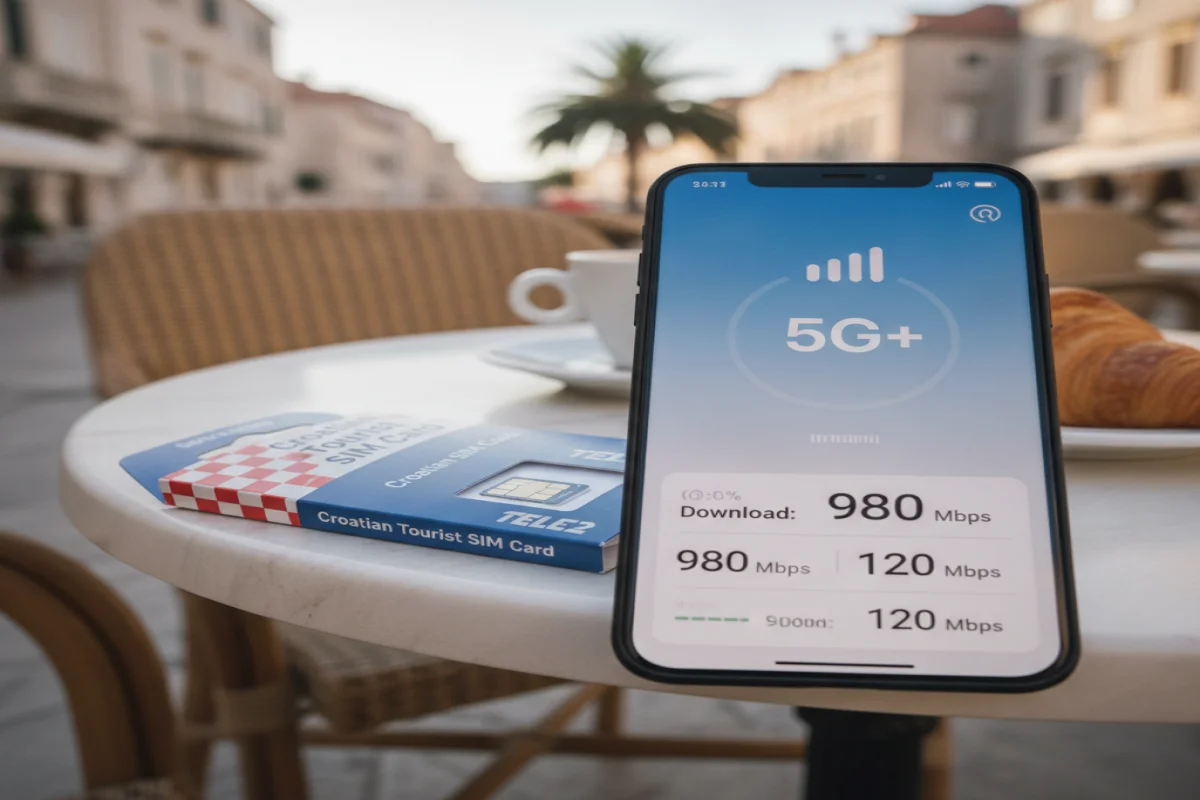
As of 2026, Croatia has fully embraced the Euro, leading to a significant shift in pricing for mobile services. The adoption of the Euro has made it easier for tourists to understand costs, but inflation has also impacted prices. Visitors can expect to pay slightly more than in previous years, particularly in tourist-heavy areas along the stunning coastline and islands. Mobile internet access remains essential for travelers, whether for navigation, social media, or staying connected with loved ones back home.
- Informative estimated average prices in Euros (€)
- Transparent low vs. high peak season price breakdown below
Comprehensive Price Breakdown & Comparison Table 2026
| Service | Low Season Price (€) | High Season Price (€) |
|---|---|---|
| Prepaid SIM Card (Data Only) | 10 | 30 |
| Monthly Mobile Data Plan | 20 | 50 |
| Daily Mobile Data Pass | 5 | 10 |
| International Roaming (per MB) | 0.10 | 0.50 |
| Portable Wi-Fi Hotspot Rental | 15 | 25 |
| Top-Up for Prepaid SIM | 5 | 20 |
Regional Price Variations (Islands vs Coastal vs Inland)
Prices for mobile internet services can vary significantly depending on the region. Coastal areas like Dubrovnik and Split tend to have higher prices due to increased demand from tourists. In contrast, islands such as Hvar and Korčula may offer competitive pricing but can have limited service availability. Inland areas typically provide lower prices but may lack the same level of coverage and speed. Here’s a brief overview:
- Dubrovnik: Higher prices, excellent coverage.
- Split: Moderate prices, reliable service.
- Hvar: Competitive prices, variable coverage.
- Korčula: Similar to Hvar, with good local options.
- Inland Areas: Generally lower prices, but check coverage maps.
Insider Money-Saving Tips & Tourist Traps to Avoid
To make the most of your mobile internet budget in Croatia, consider these tips:
- Look for local lunch specials: Known as 'Marenda', these can save you money and often include free Wi-Fi.
- Grocery shopping: Buy snacks and drinks at local supermarkets instead of tourist shops to save money.
- Avoid dynamic currency conversion: Always choose to pay in Euros to avoid hidden fees.
- ATM traps: Use ATMs affiliated with banks to avoid high withdrawal fees.
- Tipping etiquette: While not mandatory, rounding up your bill or leaving 10% is appreciated.
Payment Rules, Card Acceptance & Fiscal Receipts
In Croatia, cash is still widely used, but card payments are increasingly accepted, especially in urban areas and tourist spots. It’s important to ask for a fiscal receipt ('Fiskalni račun') for your purchases, as this is required by Croatian law and can help you in case of disputes. Always check if your card is accepted before making a purchase, as some smaller establishments may only accept cash. Keep in mind that while major credit cards are widely accepted, smaller shops and rural areas may prefer cash transactions.