Current Situation & Pricing Overview 2026 in Croatia
As Croatia continues to embrace its status as a popular tourist destination, the culinary landscape has evolved significantly, especially after the adoption of the Euro in 2023. Prices for traditional street foods like Burek and pastries have seen a modest increase due to inflation and rising costs of ingredients. Visitors can expect to pay slightly more than in previous years, but the affordability of these delicious treats remains a highlight for both locals and tourists alike.
In 2026, the average cost of a Burek ranges from 2.50 € to 5 €, depending on the filling and location. Coastal areas, particularly popular tourist spots, may charge a premium, while inland bakeries often offer lower prices. Overall, street food in Croatia remains an excellent value for money, especially when compared to dining in sit-down restaurants.
- Informative estimated average prices in Euros (€)
- Transparent low vs. high peak season price breakdown below
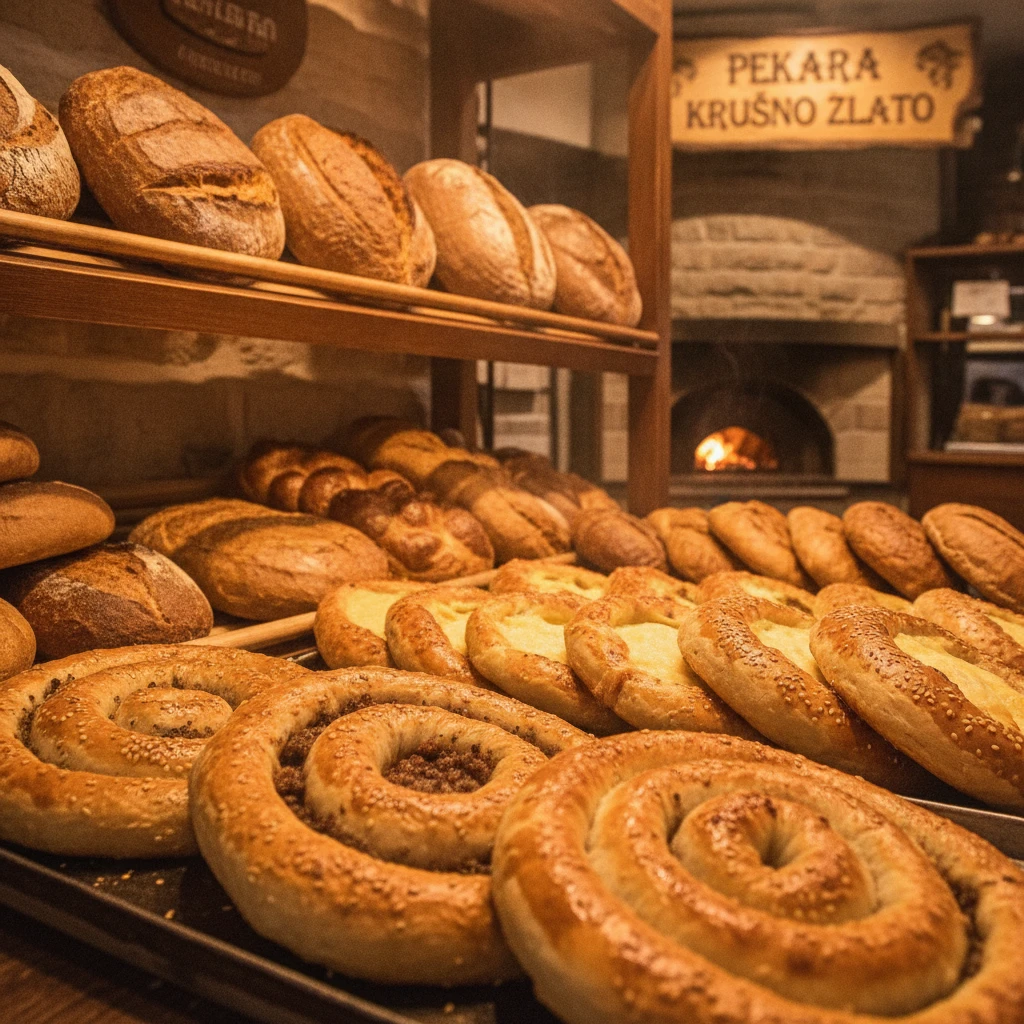
Comprehensive Price Breakdown & Comparison Table 2026
| Item | Low Season Price (€) | High Season Price (€) |
|---|---|---|
| Burek (Meat) | 3 | 5 |
| Burek (Cheese) | 2.50 | 4 |
| Croatian Pastries (Kiflice) | 1 | 2.50 |
| Pogača (Flatbread) | 1.50 | 3 |
| Sarma (Stuffed Cabbage) | 4 | 7 |
| Baklava | 2 | 4 |
| Local Coffee | 1.50 | 3 |
| Street Food Combo (Burek + Drink) | 5 | 8 |
Regional Price Variations (Islands vs Coastal vs Inland)
Prices for Burek and pastries can vary significantly across different regions of Croatia. In popular coastal towns like Dubrovnik and Split, prices tend to be on the higher end due to the influx of tourists. For instance, a meat Burek may cost around 5 € in Dubrovnik, while in a less touristy town, it could be as low as 3 €.
On the islands, such as Hvar and Korčula, the prices may also be inflated during the summer months, with local bakeries charging a premium for their products. Conversely, inland areas like Slavonia or regions around Zagreb often provide more affordable options, with prices for similar items being lower.
Insider Money-Saving Tips & Tourist Traps to Avoid
- Look for 'Marenda' Specials: Many bakeries offer lunch specials that include a Burek and a drink at a discounted price.
- Shop at Local Markets: For a more authentic experience and better prices, visit local markets where you can find fresh pastries and baked goods.
- Avoid Tourist Traps: Be cautious of bakeries located in heavily touristy areas; they often charge higher prices for the same quality.
- Dynamic Currency Conversion: When using ATMs or credit cards, avoid opting for dynamic currency conversion, as it can lead to unfavorable exchange rates.
- Ask for Fiscal Receipts: Always request a fiscal receipt ('Fiskalni račun') for your purchases, as it is a legal requirement and helps ensure you are not overcharged.
Payment Rules, Card Acceptance & Fiscal Receipts
In Croatia, both cash and card payments are widely accepted, especially in urban areas and tourist hotspots. However, smaller bakeries and street vendors may only accept cash. It's advisable to carry some cash, particularly in rural areas.
According to Croatian fiscal law, vendors are required to issue a fiscal receipt for all transactions. This receipt serves as proof of purchase and is important for both tax purposes and consumer protection. Always ask for a receipt, especially if you are making a larger purchase.