Current Situation & Pricing Overview 2026 in Croatia
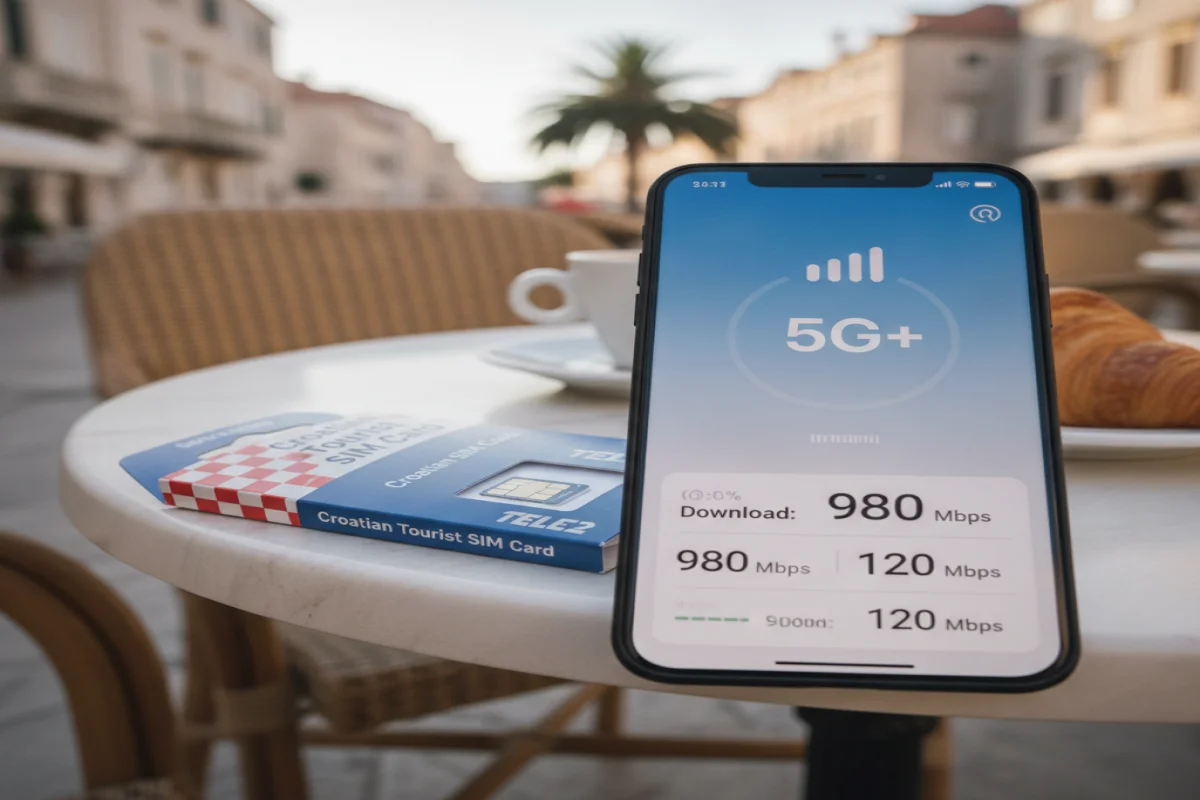
As of 2026, the mobile connectivity landscape in Croatia has evolved significantly following the adoption of the Euro. Prices for tourist SIM cards have stabilized, reflecting a blend of competitive offerings from local providers and the impact of inflation. Tourists can expect to pay between 15 € and 30 € for a prepaid SIM card, which typically includes a data package suitable for browsing, navigation, and social media usage. With Croatia's stunning coastline and numerous islands, staying connected is essential for both safety and convenience.
- Informative estimated average prices in Euros (€)
- Transparent low vs. high peak season price breakdown below
Comprehensive Price Breakdown & Comparison Table 2026
| Service | Low Season Price (€) | High Season Price (€) |
|---|---|---|
| Prepaid Tourist SIM Card | 15 € | 30 € |
| Mobile Data Packages (5GB) | 10 € | 20 € |
| International Calling Add-on | 5 € | 15 € |
| Top-Up for Additional Data | 5 € | 25 € |
| Local SIM Card (non-tourist) | 10 € | 20 € |
| Mobile Wi-Fi Rental | 5 € | 15 € |
Regional Price Variations (Islands vs Coastal vs Inland)
Pricing for mobile services can vary significantly across different regions in Croatia. Coastal areas like Dubrovnik and Split tend to have higher prices due to their popularity among tourists. In contrast, islands such as Hvar and Korčula may offer competitive rates, but availability can be limited. Inland regions typically have lower prices, but the coverage may not be as robust as in tourist hotspots.
Insider Money-Saving Tips & Tourist Traps to Avoid
- Lunch Specials: Look for 'Marenda' deals in local eateries, which offer affordable meals during lunchtime.
- Grocery Shopping: Buy snacks and drinks at supermarkets rather than tourist shops to save money.
- ATM Fees: Avoid dynamic currency conversion at ATMs; choose to be charged in the local currency for better rates.
- Tipping Etiquette: Tipping is appreciated but not mandatory; rounding up the bill is common practice.
Payment Rules, Card Acceptance & Fiscal Receipts
In Croatia, it's important to understand the fiscal law ('Fiskalni račun') which mandates that businesses provide a receipt for all transactions. While credit and debit cards are widely accepted in urban areas and tourist destinations, cash is still preferred in smaller towns and markets. Always ask for a receipt, as it is essential for any potential disputes or refunds.