Current Situation & Pricing Overview 2026 in Croatia
As Croatia transitions fully into the Eurozone, the dining landscape, particularly for beloved staples like pizza and pasta, has seen notable changes. Prices have fluctuated due to inflation and the economic adjustments following Euro adoption. On average, visitors can expect to pay slightly more than in previous years, but the quality and variety remain exceptional. Coastal regions, known for their stunning beaches and vibrant culinary scenes, offer a diverse range of dining options that cater to all budgets.
- Informative estimated average prices in Euros (€)
- Transparent low vs. high peak season price breakdown below
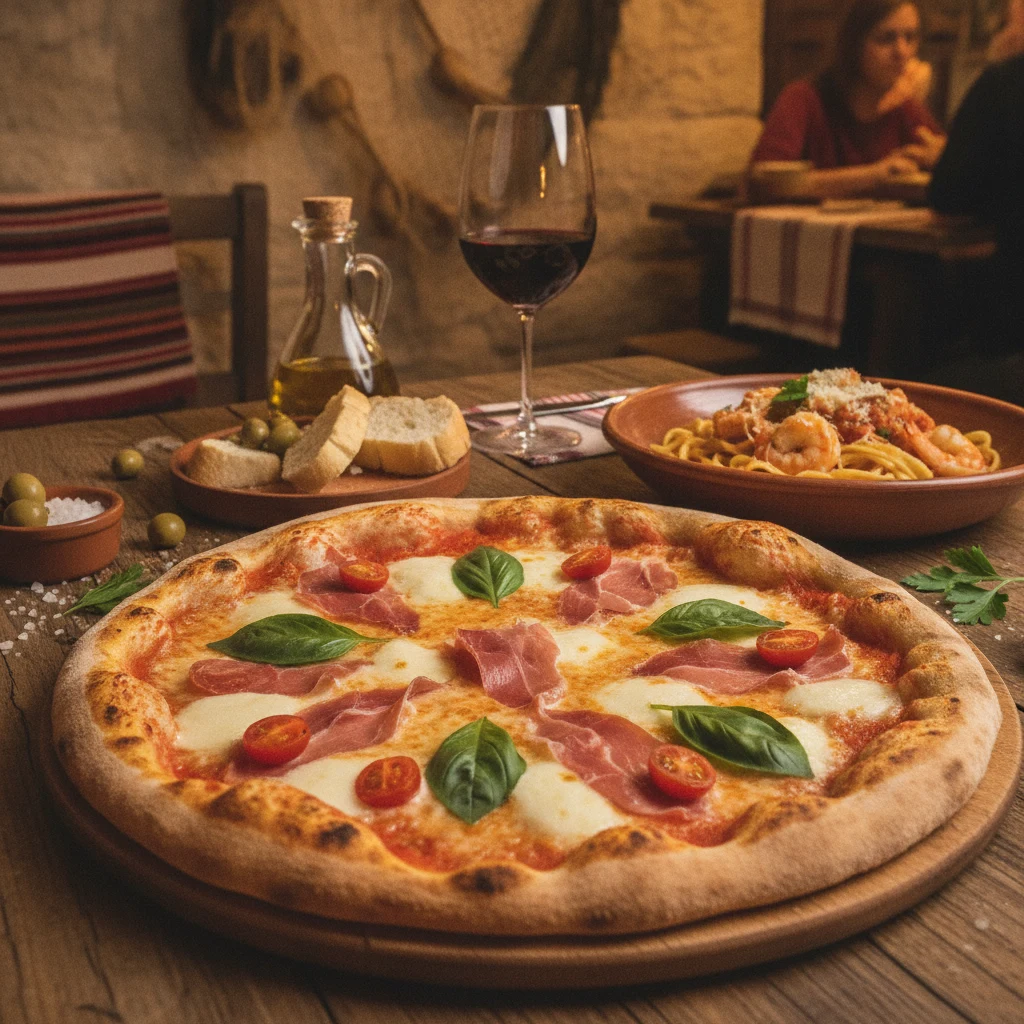
Comprehensive Price Breakdown & Comparison Table 2026
| Dish | Low Season Price (€) | High Season Price (€) | Budget Range (€) | Luxury Range (€) |
|---|---|---|---|---|
| Margherita Pizza | 8 | 15 | 8 - 12 | 12 - 15 |
| Spaghetti Carbonara | 10 | 18 | 10 - 14 | 14 - 18 |
| Lasagna | 9 | 16 | 9 - 12 | 12 - 16 |
| Penne Arrabbiata | 8 | 14 | 8 - 11 | 11 - 14 |
| Seafood Pasta | 15 | 25 | 15 - 20 | 20 - 25 |
| Pizza Quattro Stagioni | 10 | 18 | 10 - 14 | 14 - 18 |
| Pasta with Pesto | 9 | 15 | 9 - 12 | 12 - 15 |
| Calzone | 10 | 17 | 10 - 13 | 13 - 17 |
| Gnocchi | 8 | 14 | 8 - 10 | 10 - 14 |
| Pizza Prosciutto | 10 | 16 | 10 - 13 | 13 - 16 |
Regional Price Variations (Islands vs Coastal vs Inland)
Prices for pizza and pasta can vary significantly across different regions of Croatia. Coastal areas like Dubrovnik and Split often see higher prices due to their popularity among tourists. For instance, a seafood pasta dish in Dubrovnik may cost upwards of 25 €, while the same dish in a less touristy inland town could be found for around 15 €.
On the islands, such as Hvar and Korčula, expect to pay a premium for dining experiences, especially during the summer months when the influx of tourists peaks. Conversely, smaller towns and inland regions typically offer more budget-friendly options, making them ideal for travelers seeking authentic Croatian cuisine without breaking the bank.
Insider Money-Saving Tips & Tourist Traps to Avoid
- Local Lunch Specials: Look for 'Marenda' deals, which are often available in local eateries and provide a hearty meal at a lower price.
- Grocery Shopping: Consider purchasing pasta and pizza ingredients from local markets for a DIY meal, which can be both fun and economical.
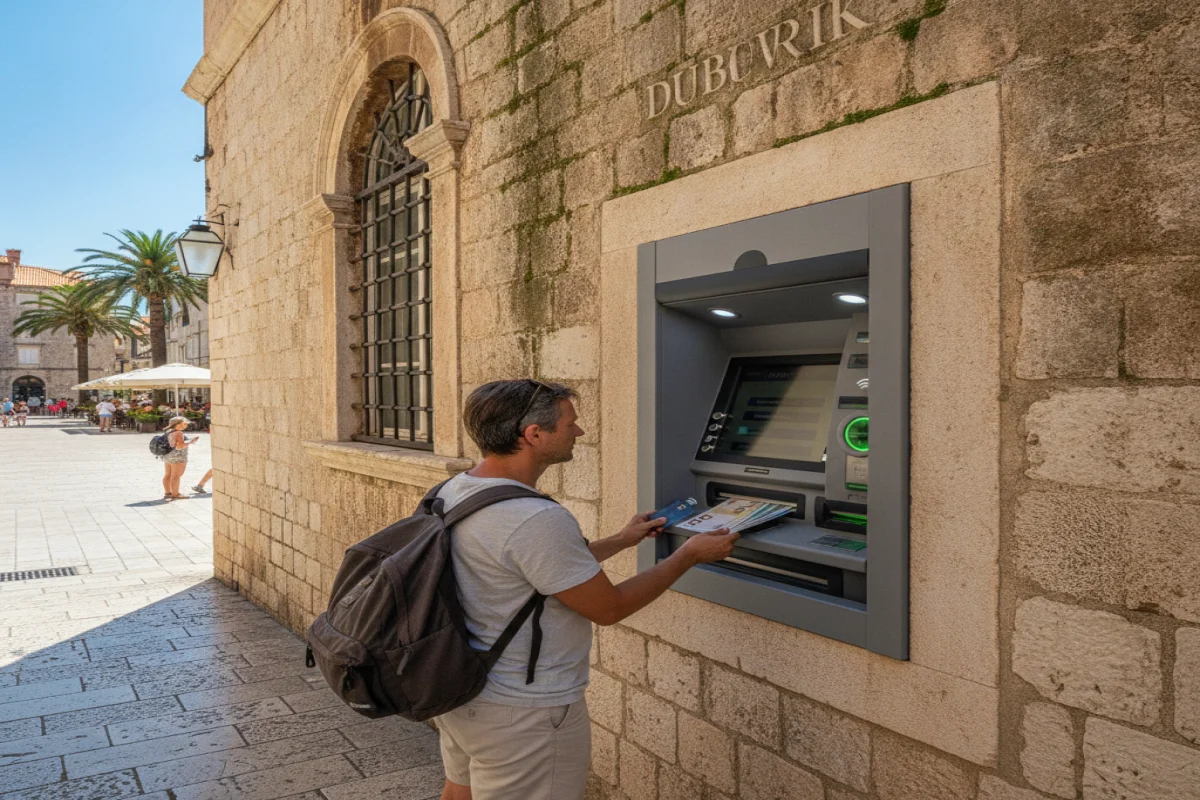
- Dynamic Currency Conversion: Avoid using dynamic currency conversion at ATMs or payment terminals, as it often results in unfavorable exchange rates.
- Tipping Etiquette: While not mandatory, leaving a 10% tip for good service is customary and appreciated in restaurants.
- Explore Lesser-Known Areas: Dining in less touristy neighborhoods can lead to discovering hidden gems with authentic flavors and better prices.
Payment Rules, Card Acceptance & Fiscal Receipts
In Croatia, it is essential to understand the local payment landscape. Most establishments accept credit and debit cards, but it's advisable to carry some cash, especially in rural areas. Croatian fiscal law mandates that businesses issue a 'Fiskalni račun' (fiscal receipt) for every transaction, which serves as proof of purchase and is important for tax purposes. Always ask for a receipt to ensure compliance with local regulations and to avoid potential issues later.