Current Situation & Pricing Overview 2026 in Croatia
As Croatia embraces the Euro, the pricing landscape for beach essentials has seen some adjustments. The adoption of the Euro in 2023 has led to a more standardized pricing structure, although inflation has caused some fluctuations. Tourists can expect to pay slightly more for beach supplies compared to previous years, particularly during the peak summer season when demand surges.
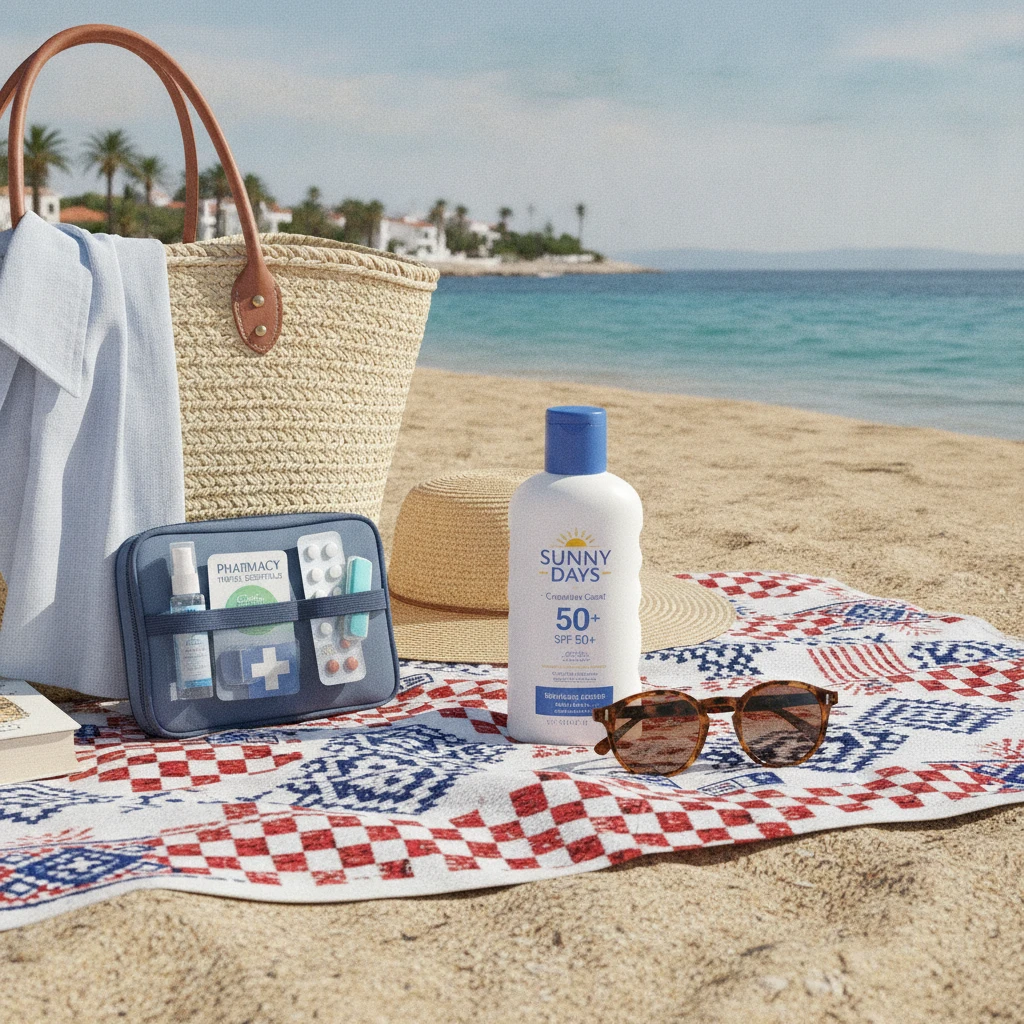
In 2026, the average cost of sunscreen and other beach essentials reflects a blend of local purchasing power and tourist demand. Visitors should prepare for a range of prices depending on location and seasonality.
- Informative estimated average prices in Euros (€)
- Transparent low vs. high peak season price breakdown below
Comprehensive Price Breakdown & Comparison Table 2026
| Item | Low Season (€) | High Season (€) | Budget Range (€) | Luxury Range (€) |
|---|---|---|---|---|
| Sunscreen (SPF 30, 200ml) | 8 | 15 | 8 - 10 | 12 - 15 |
| Beach Towel | 10 | 25 | 10 - 15 | 20 - 25 |
| Flip Flops | 5 | 30 | 5 - 10 | 20 - 30 |
| Beach Umbrella Rental | 10 | 20 | 10 - 15 | 15 - 20 |
| Snorkeling Gear Rental | 15 | 30 | 15 - 20 | 25 - 30 |
| After-Sun Lotion (200ml) | 6 | 12 | 6 - 8 | 10 - 12 |
Regional Price Variations (Islands vs Coastal vs Inland)
Prices for beach essentials can vary significantly across different regions in Croatia. Popular islands such as Hvar and Korčula tend to have higher prices due to their tourist-centric economies. In contrast, coastal towns like Split and Dubrovnik also reflect elevated costs, particularly in peak season.
Inland areas, while less frequented by tourists, often offer lower prices for similar items. For example, you might find sunscreen for as low as 6 € in a pharmacy in a smaller town compared to 12 € in a tourist shop on the coast.
Insider Money-Saving Tips & Tourist Traps to Avoid
- Local Lunch Specials: Look for 'Marenda' deals in local eateries, which offer affordable meals during the day.
- Grocery Shopping Hacks: Purchase beach essentials at supermarkets rather than tourist shops for better prices.
- Avoid Dynamic Currency Conversion: Always choose to pay in Euros to avoid unfavorable exchange rates.
- Tipping Etiquette: A small tip (around 10%) is appreciated but not mandatory in restaurants.
Payment Rules, Card Acceptance & Fiscal Receipts
In Croatia, it's essential to understand the fiscal law ('Fiskalni račun'), which mandates that businesses provide a receipt for all transactions. This is crucial for both consumer protection and tax purposes.
While most establishments accept credit and debit cards, particularly in tourist areas, it's advisable to carry cash for smaller purchases or in less touristy regions. Always ask for a receipt to ensure compliance with local regulations.