Current Situation & Pricing Overview 2026 in Croatia
Since adopting the Euro in 2023, Croatia has experienced notable shifts in grocery pricing due to inflation and changes in consumer behavior. Visitors can expect a moderate increase in food prices compared to previous years, with coastal regions often reflecting higher costs due to tourism. Understanding these dynamics is crucial for budgeting your stay in this beautiful country.
- Informative estimated average prices in Euros (€)
- Transparent low vs. high peak season price breakdown below
Comprehensive Price Breakdown & Comparison Table 2026
| Item | Low Season Price (€) | High Season Price (€) |
|---|---|---|
| Loaf of Bread | 1.00 | 2.50 |
| 1 Liter of Milk | 0.80 | 1.50 |
| Eggs (12) | 2.00 | 3.50 |
| Chicken Breast (1 kg) | 6.00 | 10.00 |
| Apples (1 kg) | 1.50 | 3.00 |
| Pasta (500 g) | 0.70 | 1.50 |
| Local Wine (1 bottle) | 5.00 | 20.00 |
| Beer (0.5 L) | 1.50 | 3.00 |
| Fresh Fish (1 kg) | 10.00 | 25.00 |
| Restaurant Meal (mid-range) | 10.00 | 25.00 |
Regional Price Variations (Islands vs Coastal vs Inland)
Prices can vary significantly across different regions in Croatia. For instance, popular islands like Hvar and Korčula may have inflated prices due to their tourist appeal, especially during the summer months. In contrast, towns like Dubrovnik and Split also see higher costs, particularly in tourist hotspots. Meanwhile, inland areas like Slavonia offer more affordable grocery options, making them ideal for budget-conscious travelers.
Insider Money-Saving Tips & Tourist Traps to Avoid
- Local Lunch Specials: Look for 'Marenda' deals in local eateries, which often provide hearty meals at lower prices.
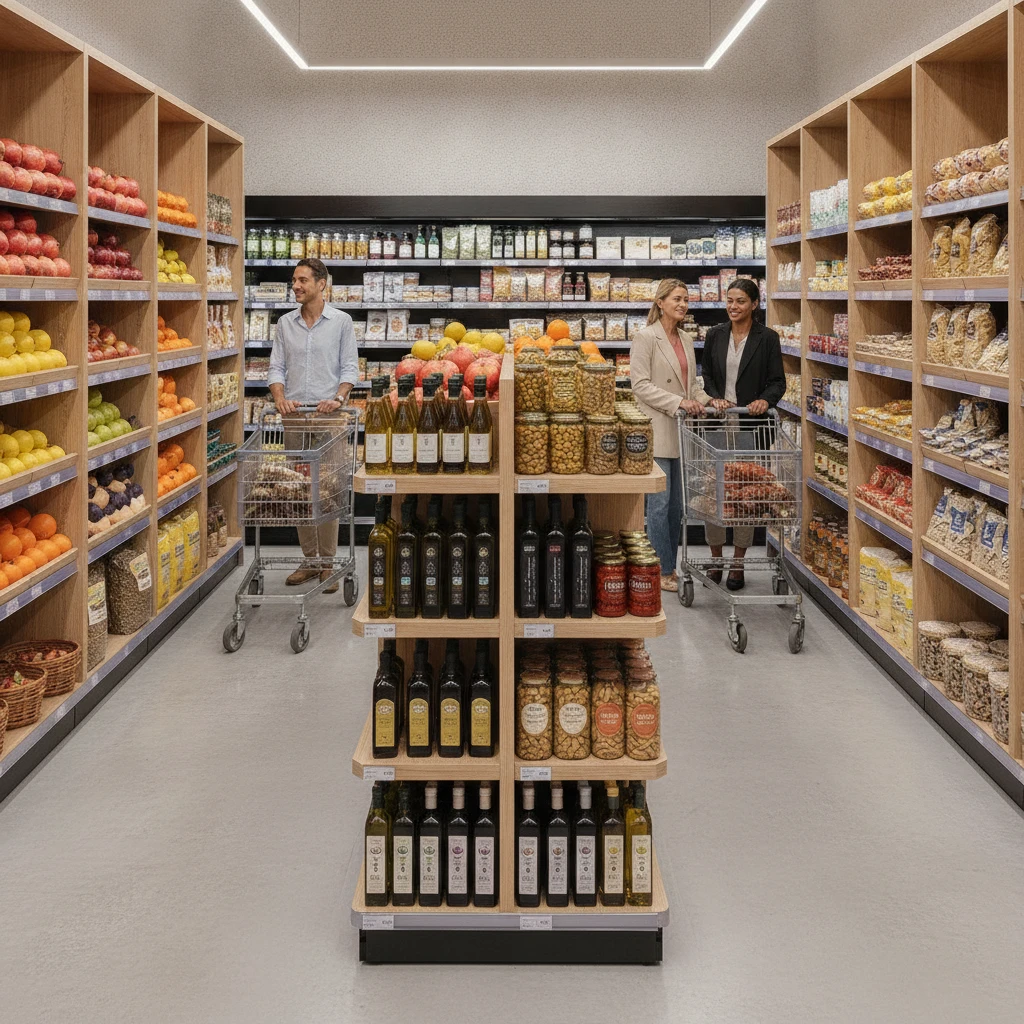
- Grocery Shopping Hacks: Visit local markets for fresh produce and avoid supermarkets in tourist areas.
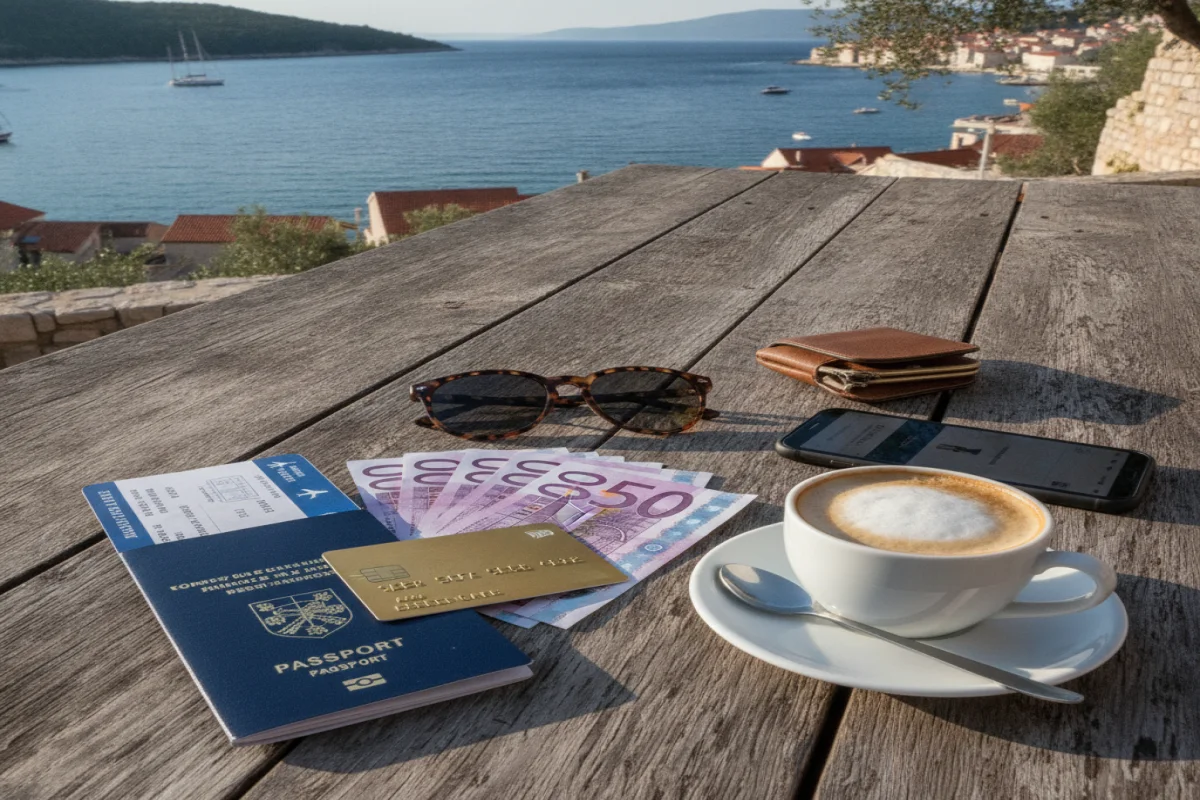
- ATM Traps: Be cautious of dynamic currency conversion at ATMs; always choose to be charged in Euros.
- Tipping Etiquette: While tipping is appreciated, rounding up the bill is often sufficient.
Payment Rules, Card Acceptance & Fiscal Receipts
In Croatia, it is essential to request a fiscal receipt ('Fiskalni račun') for any purchase, as this is a legal requirement for businesses. While credit and debit cards are widely accepted in urban areas and larger supermarkets, cash remains king in smaller towns and markets. Always check with your accommodation or local guides for the best payment practices during your stay.