Current Situation & Pricing Overview 2026 in Croatia
As Croatia continues to adapt post-Euro adoption, the costs associated with moving and relocation have seen notable changes. Inflation has affected various sectors, including moving services. In 2026, international tourists and expats can expect a range of prices influenced by the season, location, and specific services required. The coastal regions, known for their stunning beaches and vibrant lifestyle, tend to have higher costs compared to inland areas.
- Informative estimated average prices in Euros (€)
- Transparent low vs. high peak season price breakdown below

Comprehensive Price Breakdown & Comparison Table 2026
| Service | Low Season (€) | High Season (€) |
|---|---|---|
| Local Moving Service (1-bedroom) | 150 | 300 |
| Long-Distance Moving Service (Split to Dubrovnik) | 500 | 800 |
| Packing Services (per hour) | 20 | 40 |
| Storage Rental (per month) | 100 | 250 |
| International Shipping (20ft container) | 1,500 | 3,000 |
| Real Estate Agent Fees | 1,000 | 3,000 |
Regional Price Variations (Islands vs Coastal vs Inland)
When considering relocation in Croatia, it's essential to understand the regional price variations. Coastal areas like Dubrovnik and Split are popular tourist destinations, leading to higher living costs. Islands such as Hvar and Korčula also have elevated prices due to their exclusivity and demand. In contrast, inland areas like Slavonia offer more affordable living and moving costs, making them attractive for budget-conscious expats.
Insider Money-Saving Tips & Tourist Traps to Avoid
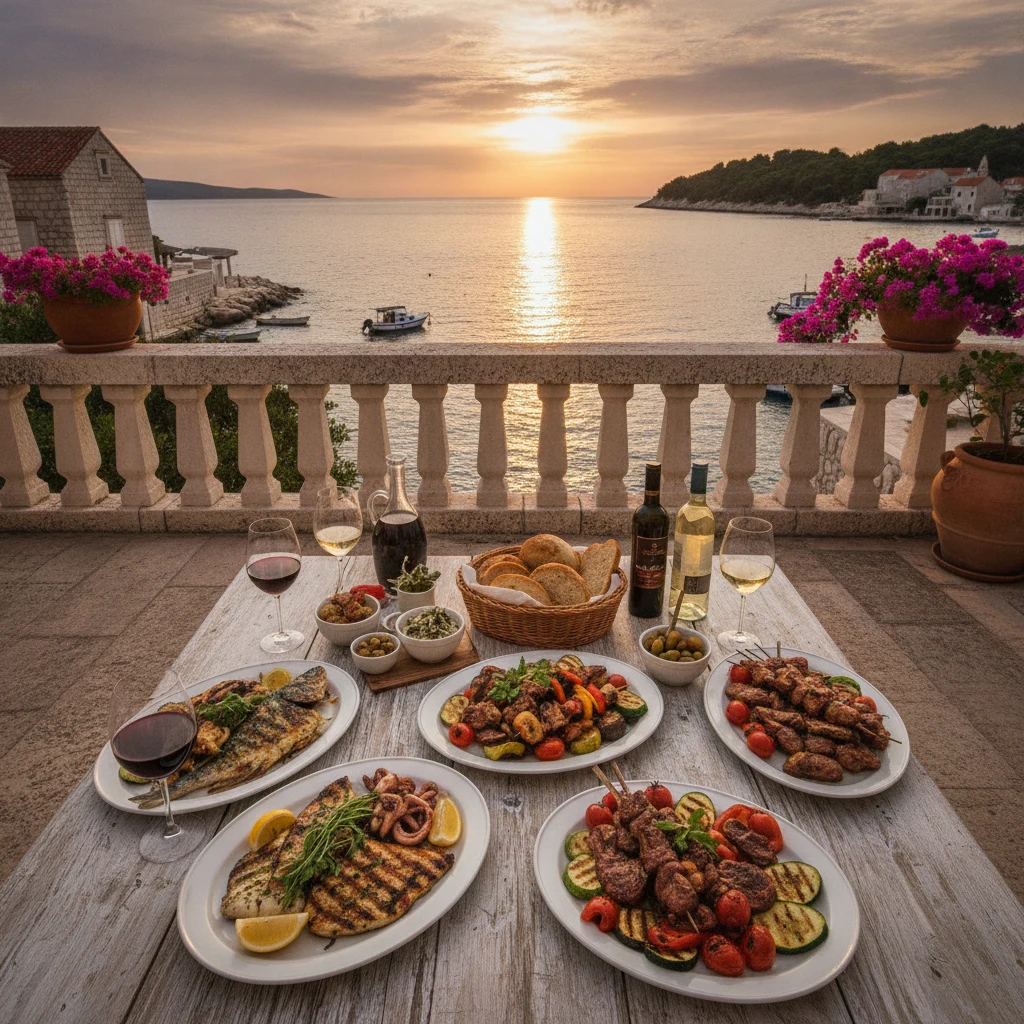
- Look for local lunch specials known as 'Marenda' to save on meals during your move.
- Shop at local grocery stores instead of touristy markets for better prices on food and supplies.
- Avoid dynamic currency conversion at ATMs; always choose to pay in local currency to avoid extra fees.
- Be cautious of tipping; while 10% is standard in restaurants, it's not obligatory.
- Consider off-peak moving times to save on costs and avoid crowds.
Payment Rules, Card Acceptance & Fiscal Receipts
In Croatia, it is essential to understand the payment landscape. Most businesses, including moving companies, accept both cash and credit cards. However, always request a fiscal receipt ('Fiskalni račun') for your transactions, as this is a legal requirement in Croatia and can be crucial for warranty claims or disputes. While cash is still widely used, especially in smaller towns, credit cards are increasingly accepted in urban areas and tourist spots.