Current Situation & Pricing Overview 2026 in Croatia
As Croatia continues to embrace the Euro, the dining landscape has seen significant changes in pricing since the adoption. Inflation and increased tourism have led to a rise in restaurant prices, particularly in coastal areas popular with international visitors. Expect to pay more during the high season (June to August) when demand peaks, while off-season dining can offer more budget-friendly options.
- Informative estimated average prices in Euros (€)
- Transparent low vs. high peak season price breakdown below
Comprehensive Price Breakdown & Comparison Table 2026
| Item/Service | Low Season (€) | High Season (€) |
|---|---|---|
| Local beer (0.5L) | 2.50 | 5.00 |
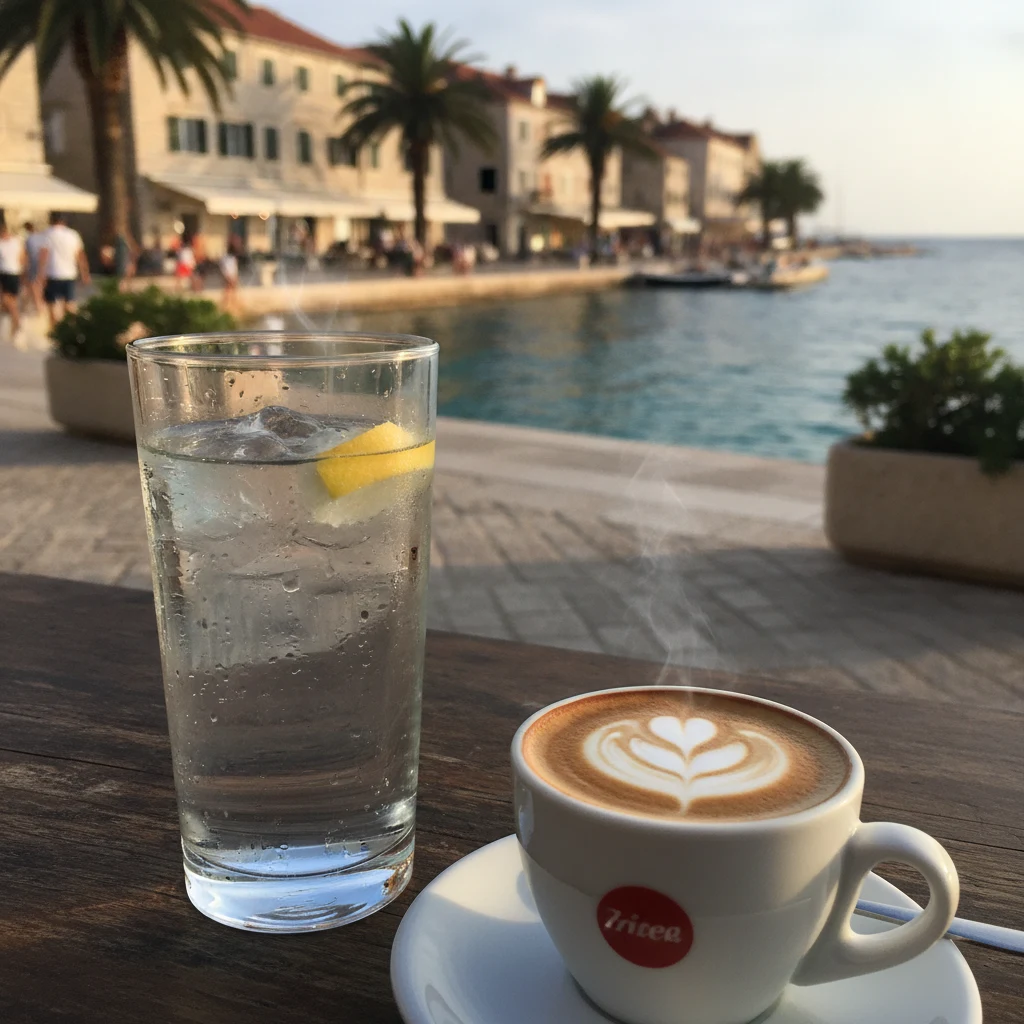
| Coffee (espresso) | 1.50 | 3.00 |
| Pizza (Margherita) | 6.00 | 12.00 |
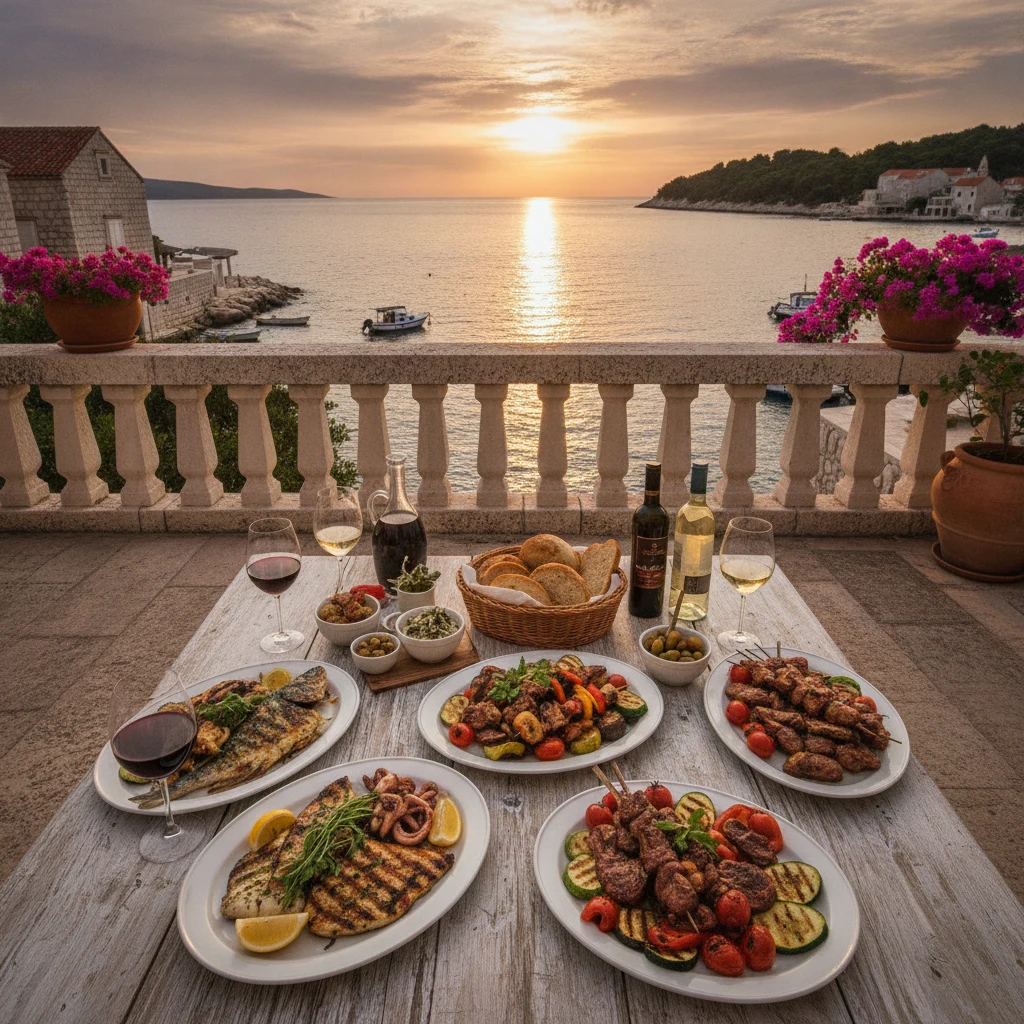
| Seafood platter | 20.00 | 40.00 |
| Traditional Croatian meal | 10.00 | 25.00 |
| Fine dining experience | 50.00 | 100.00 |
Regional Price Variations (Islands vs Coastal vs Inland)
Dining prices can vary significantly across Croatia's diverse regions. Coastal towns like Dubrovnik and Split are known for higher prices due to their popularity with tourists. In contrast, islands such as Hvar and Korčula offer a mix of luxury and budget options, often with fresh seafood at competitive prices. Inland areas, including towns like Slavonski Brod, generally provide more affordable dining experiences, with hearty traditional meals at lower costs.
Insider Money-Saving Tips & Tourist Traps to Avoid
- Lunch Specials: Look for 'Marenda' deals, which are local lunch specials often available at a fraction of the dinner price.
- Grocery Shopping: For budget travelers, consider shopping at local markets for fresh produce and snacks.
- Dynamic Currency Conversion: Avoid using dynamic currency conversion at ATMs; always choose to be charged in local currency to avoid extra fees.
- Tipping Etiquette: While tipping is appreciated, rounding up the bill or leaving 10% is usually sufficient.
- Beware of Tourist Traps: Restaurants near major attractions may charge inflated prices. Venture a few streets away for better deals.
Payment Rules, Card Acceptance & Fiscal Receipts
In Croatia, fiscal law mandates that businesses issue a fiscal receipt ('Fiskalni račun') for every transaction. Always ask for a receipt, as this is important for both tax purposes and potential disputes. While credit cards are widely accepted in urban areas and tourist hotspots, smaller establishments may prefer cash. It's advisable to carry some cash, especially in rural areas, to ensure a smooth dining experience.