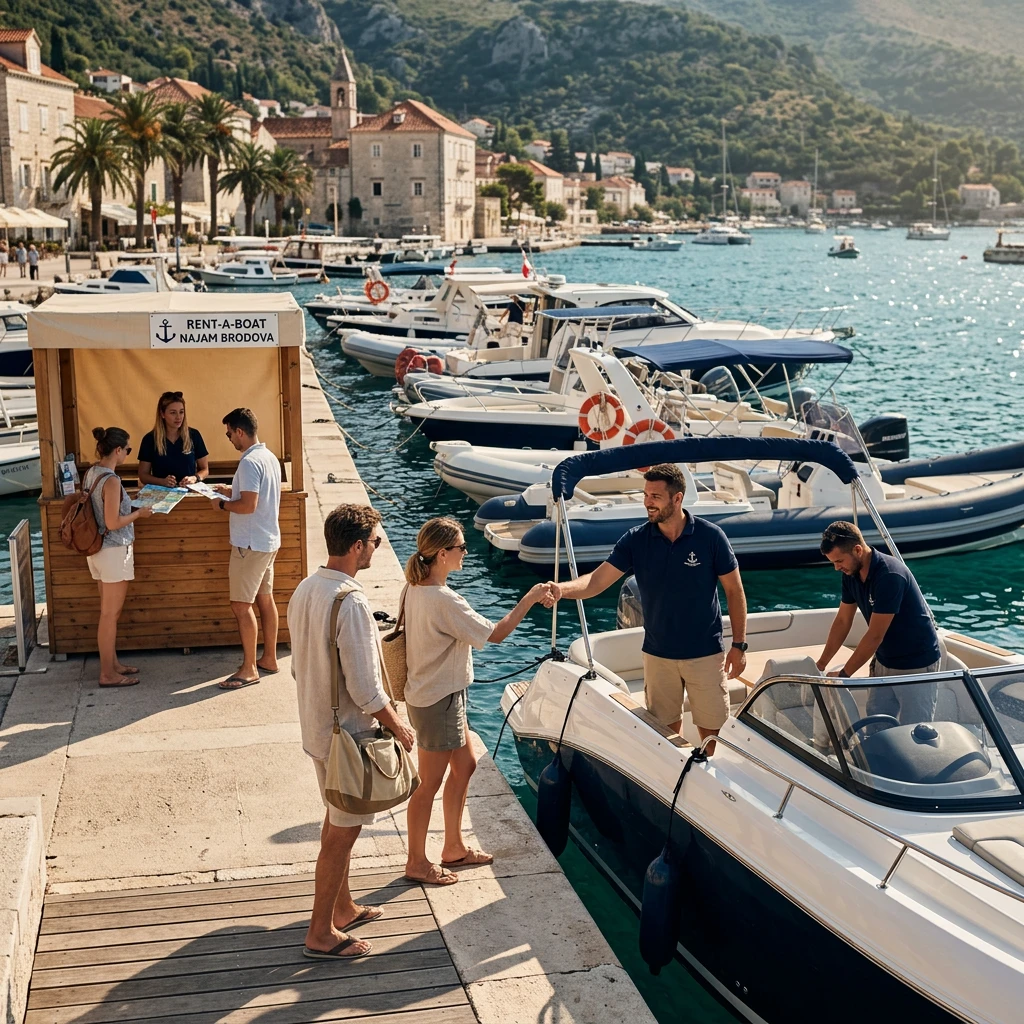
Overview & Availability in Vrsar, Croatia
Vrsar, a charming coastal town along the Istrian peninsula, offers a variety of moving services tailored to both locals and expatriates. Numerous local companies specialize in relocation, ensuring that you have access to reliable assistance. During the busy tourist season, response times may vary, but many services are available 24/7 to accommodate urgent needs.
- Informative estimated average prices in Euros (€)
- Transparent low vs. high peak season price breakdown below

Cost & Pricing Guide 2026
Understanding the costs associated with moving services in Vrsar is crucial for budgeting your relocation. Below is a transparent pricing guide for various services:
| Service | Price Range | Unit |
|---|---|---|
| Hourly moving service | 30 € – 50 € | per hour |
| Call-out fee | 20 € – 40 € | per callout |
| Night/weekend surcharge | 15 € – 25 € | per hour |
| Packing materials (boxes, tape, etc.) | 5 € – 15 € | per item |
| Full relocation service (packing, transport, unpacking) | 500 € – 1500 € | per move |
Step-by-Step Action Plan: What to Do
When planning your move to Vrsar, follow these practical steps:
- Contact local moving companies for quotes and availability.
- Share your GPS location via WhatsApp for efficient service.
- Familiarize yourself with safety rules in Croatia, especially regarding traffic and pedestrian areas.
- Ensure you have international insurance coverage for your belongings during the move.
Local Insider Tips for Vrsar, Croatia
Vrsar is known for its stunning seaside views and charming streets, but there are a few local nuances to keep in mind:
- Be aware of ferry logistics if you plan to move items to nearby islands.
- Steep coastal roads can be challenging for larger moving trucks; plan routes accordingly.
- Expect peak traffic during summer months, which can impact moving schedules.
- Local service etiquette includes being polite and patient, especially during busy periods.
Payments, Receipts & Avoiding Scams
When hiring moving services in Vrsar, consider the following:
- Cash payments are common, but credit/debit cards are increasingly accepted.
- Always request a fiscal receipt ('Račun') for all transactions, as it is a legal requirement in Croatia.
- Request estimates upfront to avoid unexpected costs and ensure transparency.