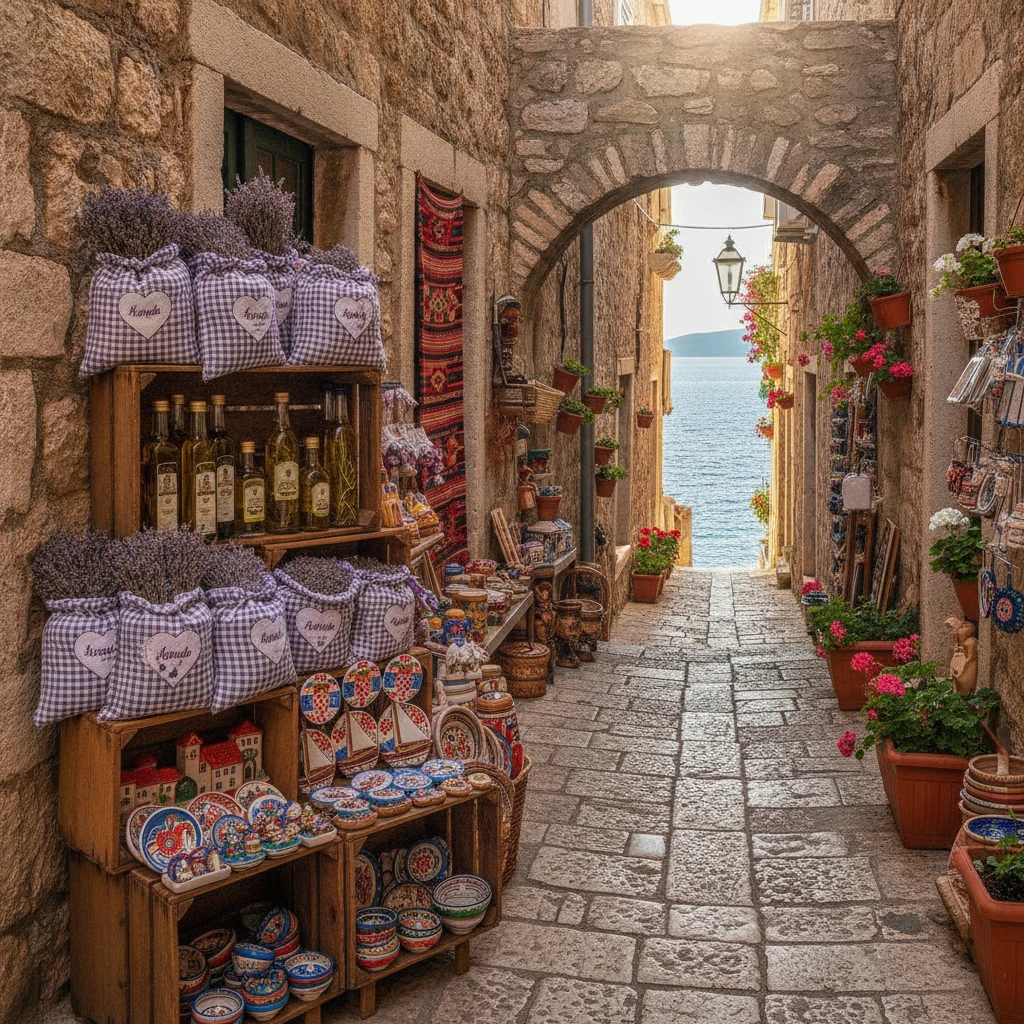
Current Situation & Pricing Overview 2026 in Croatia
Since the adoption of the Euro in 2023, Croatia has seen a shift in pricing dynamics. While some prices have stabilized, inflation has led to an increase in costs for certain goods and services. Tourists can expect to pay more for dining and accommodation in popular coastal areas, particularly during the summer months. However, budget options are still available, especially if you venture off the beaten path.
- Informative estimated average prices in Euros (€)
- Transparent low vs. high peak season price breakdown below
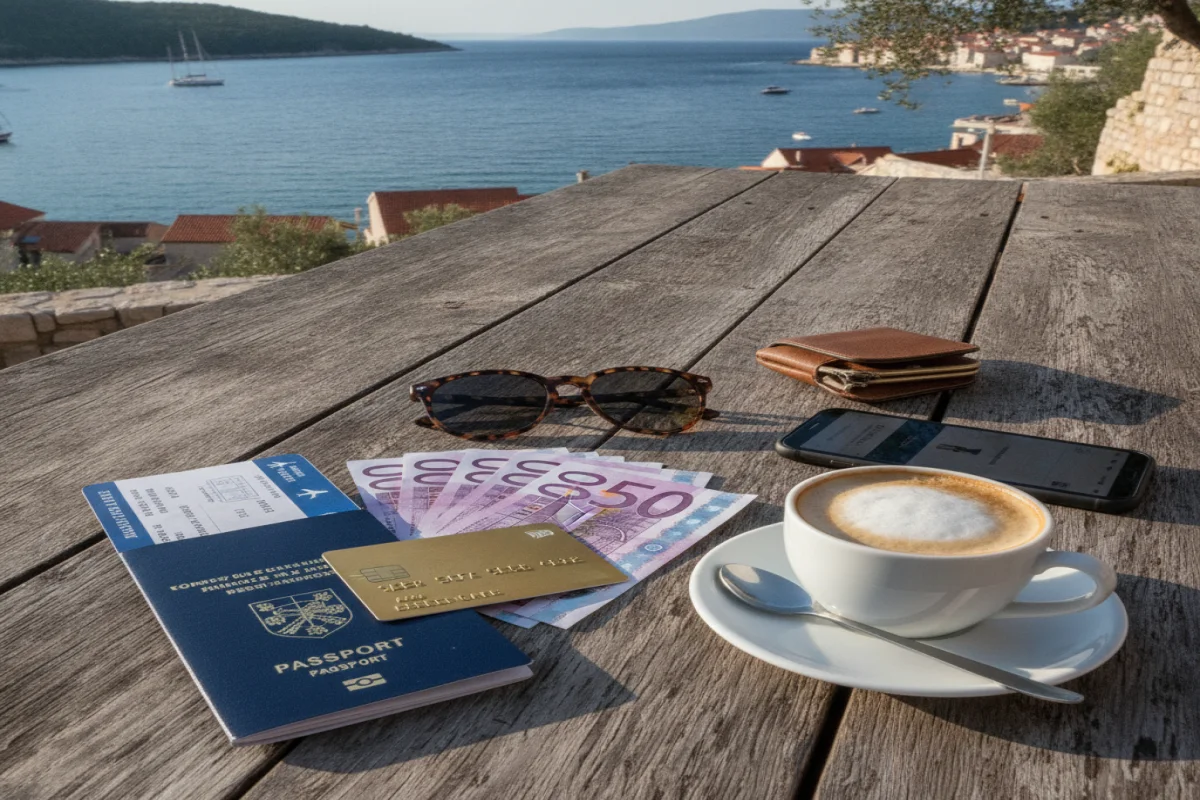
Comprehensive Price Breakdown & Comparison Table 2026
| Item/Service | Low Season (€) | High Season (€) | Budget (€) | Luxury (€) |
|---|---|---|---|---|
| Meal at a mid-range restaurant | 15 | 30 | 15 | 30 |
| Local beer (0.5L) | 2 | 4 | 2 | 4 |
| Public transport ticket | 1.50 | 3 | 1.50 | 3 |
| Beach chair rental | 5 | 15 | 5 | 15 |
| Guided tour | 30 | 100 | 30 | 100 |
| Accommodation (budget hotel) | 40 | 100 | 40 | 100 |
Regional Price Variations (Islands vs Coastal vs Inland)
Prices can vary significantly across different regions of Croatia. Coastal areas like Dubrovnik and Split tend to be more expensive due to their popularity among tourists. In contrast, islands such as Hvar and Korčula offer a mix of high-end and budget options, while inland areas typically have lower costs for accommodation and dining. Here’s a quick overview:
- Dubrovnik: High prices, especially for dining and tours.
- Split: Moderate prices, with a range of options available.
- Hvar: Luxury options dominate, but budget accommodations exist.
- Inland areas: Generally more affordable, with local eateries offering great value.
Insider Money-Saving Tips & Tourist Traps to Avoid
To make the most of your budget in Croatia, consider these tips:
- Look for 'Marenda' lunch specials, which offer great value for traditional meals.
- Shop at local markets for groceries instead of dining out for every meal.
- Avoid dynamic currency conversion at ATMs; opt for local currency transactions to avoid extra fees.
- Always ask for a fiscal receipt ('Fiskalni račun') when making purchases, as this is required by law and can be useful for any disputes.
- Research dining options ahead of time to avoid overpriced tourist traps.
Payment Rules, Card Acceptance & Fiscal Receipts
In Croatia, both cash and card payments are widely accepted. However, it’s important to note that smaller establishments may prefer cash. Always ask for a fiscal receipt ('Fiskalni račun') when you make a purchase, as this is a legal requirement and helps ensure transparency in transactions. Additionally, familiarize yourself with local tipping etiquette: rounding up the bill or leaving a small tip (5-10%) is appreciated but not mandatory.