Current Situation & Pricing Overview 2026 in Croatia
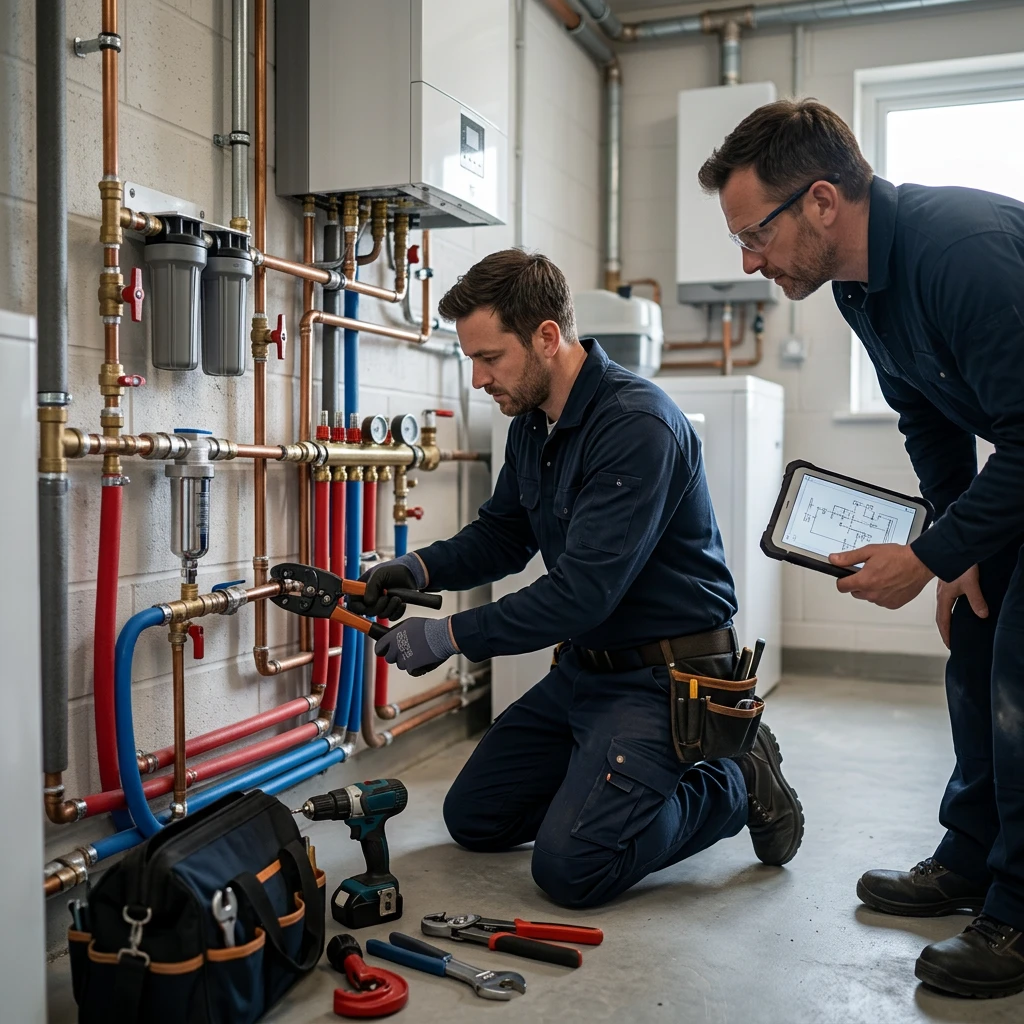
As Croatia continues to embrace the Euro, the landscape of emergency plumbing services has evolved significantly. Post-Euro adoption, inflation has led to a moderate increase in service prices, reflecting the rising costs of materials and labor. Vacationers in 2026 should expect to pay between 50 € and 100 € for an emergency call-out, with hourly labor rates ranging from 30 € to 70 €. Being aware of these costs will help you budget effectively during your stay.
- Informative estimated average prices in Euros (€)
- Transparent low vs. high peak season price breakdown below
Comprehensive Price Breakdown & Comparison Table 2026
| Service | Low Season Price (€) | High Season Price (€) |
|---|---|---|
| Emergency call-out fee | 50 € | 100 € |
| Hourly labor rate | 30 € | 70 € |
| Pipe repair | 100 € | 300 € |
| Drain cleaning | 80 € | 150 € |
| Toilet installation | 150 € | 400 € |
| Water heater repair | 100 € | 250 € |
Regional Price Variations (Islands vs Coastal vs Inland)
Prices for plumbing services can vary significantly across Croatia's diverse regions. In popular tourist hotspots like Hvar and Korčula, the demand for emergency plumbers can drive prices higher, especially during the summer months. In contrast, inland areas may offer more competitive rates due to lower demand. For instance, a pipe repair in Dubrovnik might cost around 300 €, while the same service in a less touristy town could be as low as 100 €.
Insider Money-Saving Tips & Tourist Traps to Avoid
- Local Lunch Specials: Look for 'Marenda' deals, which offer affordable meals in local eateries.
- Grocery Shopping Hacks: Buy essentials at local markets instead of tourist shops for better prices.
- Avoid Dynamic Currency Conversion: Always choose to pay in local currency to avoid hidden fees.
- Tipping Etiquette: While not obligatory, rounding up the bill or leaving a small tip is appreciated.
Payment Rules, Card Acceptance & Fiscal Receipts
In Croatia, fiscal law mandates that all businesses provide a 'Fiskalni račun' or fiscal receipt for transactions. This is crucial for both tax purposes and consumer protection. While many plumbers accept credit and debit cards, cash remains a common payment method, especially in smaller towns. Always request a receipt to ensure transparency and safeguard against disputes.