Current Situation & Pricing Overview 2026 in Croatia
As Croatia embraces the Euro, the landscape of alcohol and cigarette prices has seen notable changes. The transition has led to a general increase in prices due to inflation and the adjustment of local markets. Tourists can expect to pay slightly more than in previous years, but the costs remain competitive compared to other European destinations.
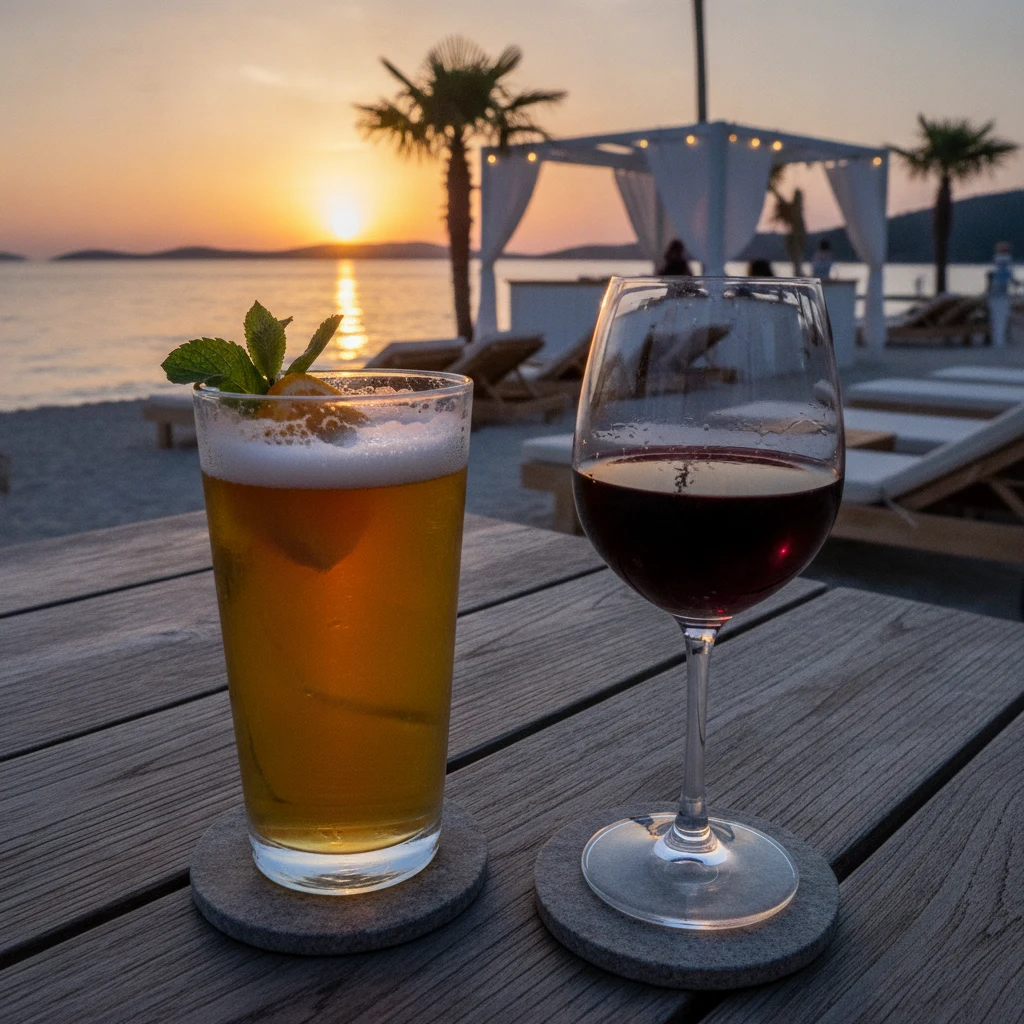
In 2026, the average price for local beer is around 2 € to 5 €, while imported varieties can reach up to 6 €. Cigarettes, on the other hand, remain relatively affordable, with prices ranging from 4 € to 6 € per pack. These prices reflect the ongoing economic adjustments post-Euro adoption.
- Informative estimated average prices in Euros (€)
- Transparent low vs. high peak season price breakdown below
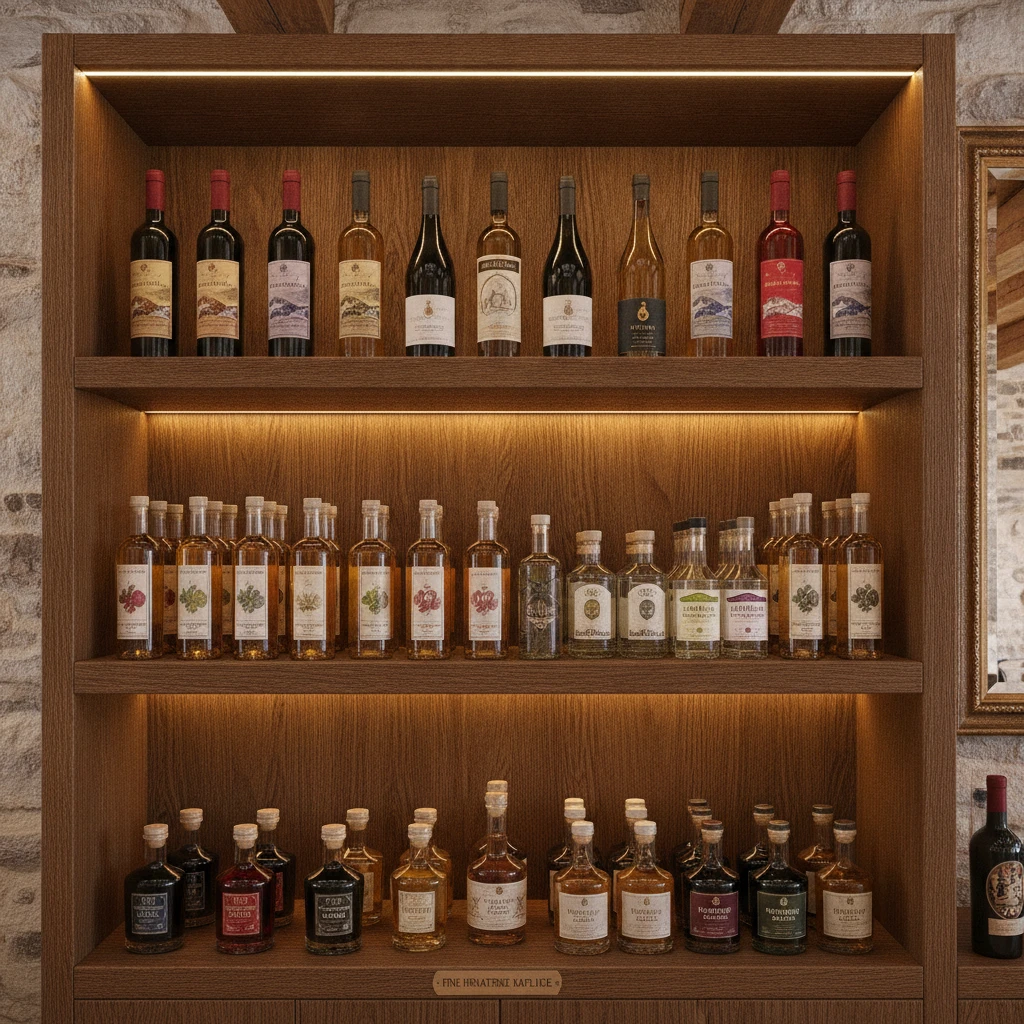
Comprehensive Price Breakdown & Comparison Table 2026
| Item | Low Season Price (€) | High Season Price (€) |
|---|---|---|
| Local Beer (0.5L) | 2 | 5 |
| Imported Beer (0.5L) | 3 | 6 |
| Local Wine (0.75L) | 5 | 15 |
| Imported Wine (0.75L) | 10 | 30 |
| Cigarettes (pack of 20) | 4 | 6 |
| Cocktail (in a bar) | 6 | 12 |
| Local Rakija (0.5L) | 10 | 20 |
Regional Price Variations (Islands vs Coastal vs Inland)
Prices for alcohol and cigarettes can vary significantly across different regions of Croatia. Coastal areas and popular islands like Hvar and Korčula tend to have higher prices due to their tourist-centric economies. For example, a cocktail in Dubrovnik might cost 10 € to 15 €, while the same drink in inland towns could be priced at 6 € to 10 €.
Inland areas generally offer lower prices for both alcohol and cigarettes. For instance, a local beer might cost only 2 € in a small town compared to 5 € in a bustling tourist area. Understanding these regional differences can help travelers budget more effectively.
Insider Money-Saving Tips & Tourist Traps to Avoid
- Lunch Specials: Look for 'Marenda' specials in local eateries, where you can enjoy a meal and a drink at a reduced price.
- Grocery Shopping: Purchase alcohol and cigarettes from supermarkets rather than convenience stores or tourist shops for better deals.
- ATM Fees: Be cautious of dynamic currency conversion at ATMs; always choose to be charged in Euros to avoid extra fees.
- Tipping Etiquette: While tipping is appreciated, it’s not obligatory. A small tip of 10% is sufficient for good service.
- Happy Hours: Take advantage of happy hour promotions in bars, especially during the off-peak season.
Payment Rules, Card Acceptance & Fiscal Receipts
In Croatia, cash is still widely used, but credit and debit cards are accepted in most establishments, especially in tourist areas. However, smaller shops and restaurants may prefer cash. It’s essential to ask for a fiscal receipt ('Fiskalni račun') after your purchase, as this is required by law and can be useful for potential disputes.
Be aware that some places may charge extra fees for card payments, so it’s wise to carry some cash for smaller purchases. Overall, understanding the payment landscape will enhance your travel experience in Croatia.