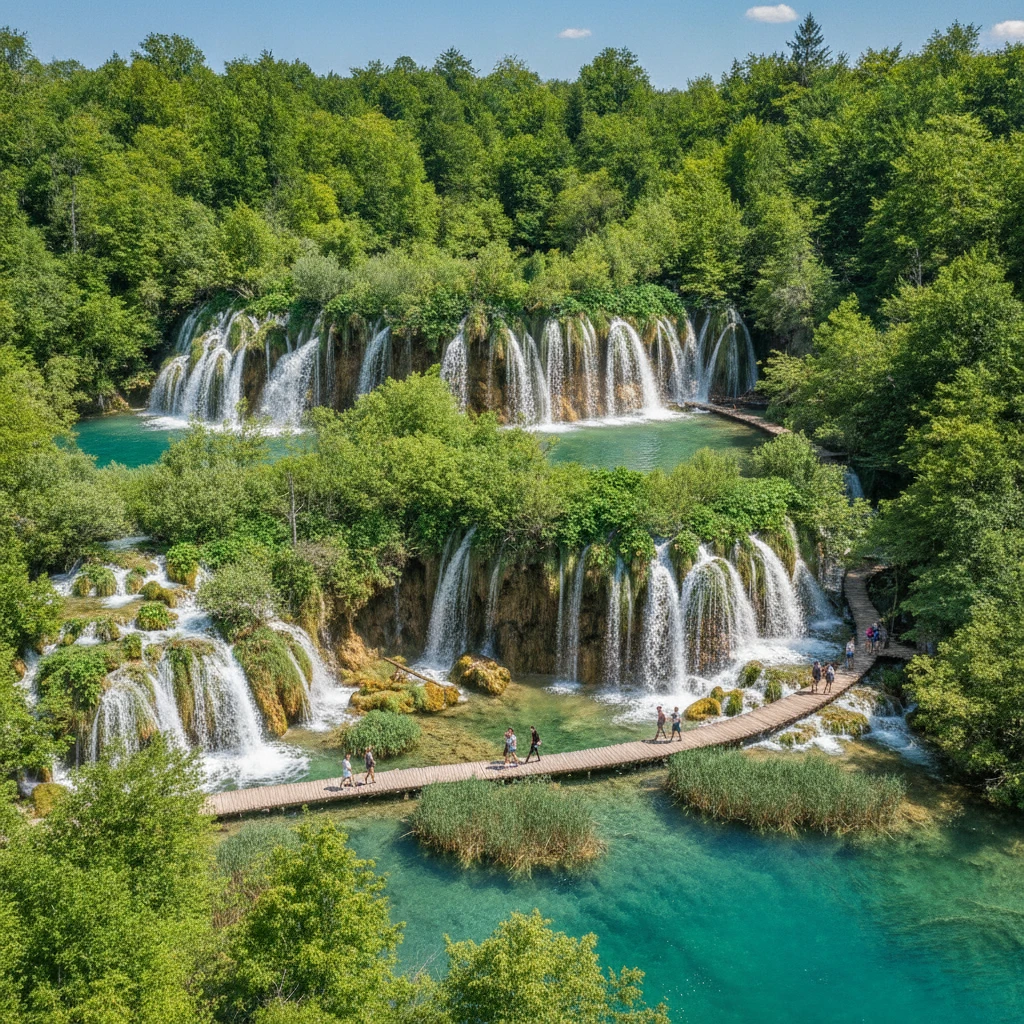
Current Situation & Pricing Overview 2026 in Croatia
As Croatia continues to embrace its status as a premier tourist destination, the adoption of the Euro has influenced the pricing landscape for water sports and adventure activities. In 2026, visitors can expect to see a range of prices reflecting both inflation and the increased demand for outdoor activities. Coastal areas, particularly popular tourist hotspots, have seen a rise in prices, while lesser-known regions may offer more budget-friendly options.
- Informative estimated average prices in Euros (€)
- Transparent low vs. high peak season price breakdown below
Comprehensive Price Breakdown & Comparison Table 2026
| Service | Low Season Price (€) | High Season Price (€) |
|---|---|---|
| Kayak Rental | 15 € | 40 € |
| Stand-Up Paddleboarding (SUP) | 20 € | 50 € |
| Scuba Diving | 50 € | 120 € |
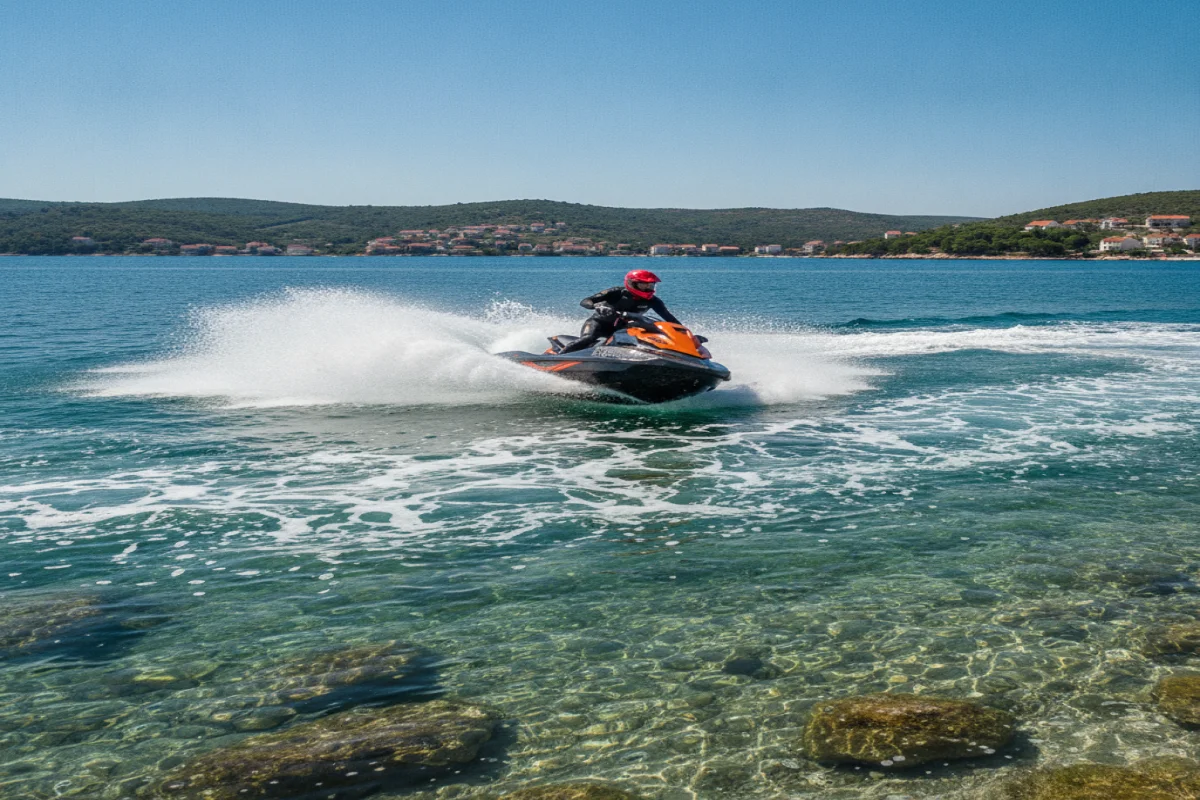
| Jet Ski Rental | 60 € | 150 € |
| Parasailing | 40 € | 80 € |
| Boat Tours | 30 € | 100 € |
Regional Price Variations (Islands vs Coastal vs Inland)
Prices for water sports and adventure activities can vary significantly across different regions of Croatia. Popular islands like Hvar and Korčula often command higher prices due to their tourist appeal. For example, a jet ski rental on Hvar may cost up to 150 € per hour during peak season, while similar services on the mainland, such as in Split or Zadar, may be more affordable, ranging from 60 € to 100 €.
Inland areas, while not as focused on water sports, offer unique adventure activities such as hiking and cycling at lower costs, making them ideal for budget travelers.
Insider Money-Saving Tips & Tourist Traps to Avoid
- Local Lunch Specials: Look for 'Marenda' deals, which offer affordable local meals, often at half the price of tourist restaurants.
- Grocery Shopping Hacks: Purchase snacks and drinks from local supermarkets rather than tourist shops to save money.
- Avoid Dynamic Currency Conversion: Always choose to pay in Euros when using your card to avoid unfavorable exchange rates.
- Tipping Etiquette: Tipping is appreciated but not mandatory; rounding up the bill or leaving a small percentage is common.
Payment Rules, Card Acceptance & Fiscal Receipts
In Croatia, it is essential to understand the fiscal law ('Fiskalni račun'), which requires businesses to issue a fiscal receipt for every transaction. Always ask for a receipt, as it serves as proof of payment and may be necessary for warranty claims or disputes.
While credit and debit cards are widely accepted in tourist areas, it is advisable to carry some cash, especially in more remote locations or for smaller vendors who may not accept cards.