Current Situation & Pricing Overview 2026 in Croatia
As Croatia embraces the Euro, the landscape of souvenir shopping has evolved significantly. Prices have seen a moderate increase due to inflation and the transition to the Euro, but many local artisans and shops still offer affordable options for tourists. Expect to pay a bit more in high tourist seasons, particularly along the coast and on popular islands.
- Informative estimated average prices in Euros (€)
- Transparent low vs. high peak season price breakdown below
Comprehensive Price Breakdown & Comparison Table 2026
| Item/Service | Low Season Price (€) | High Season Price (€) |
|---|---|---|
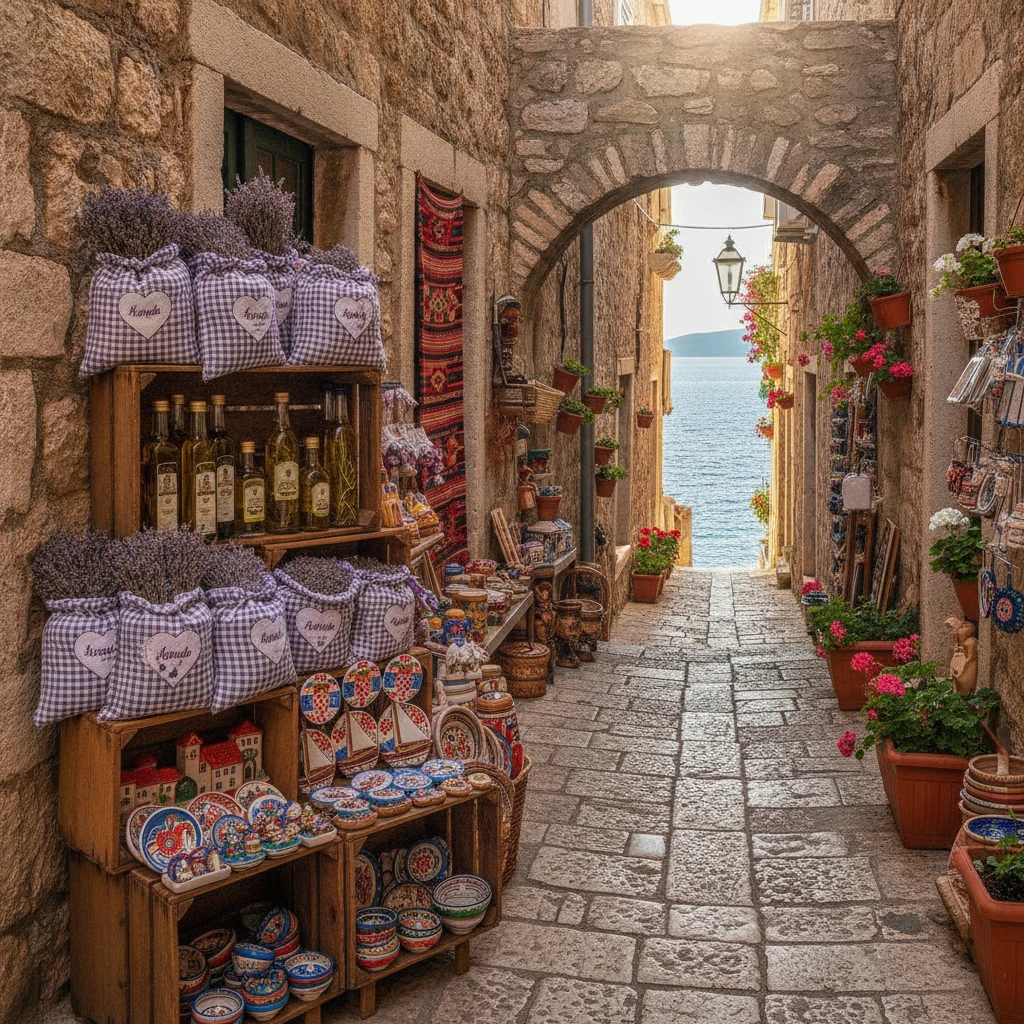
| Local Handcrafted Souvenirs | 10 € | 50 € |
| Olive Oil (Local Brands) | 8 € | 25 € |
| Croatian Wine (Local Varieties) | 10 € | 30 € |
| Sea Salt (Local Products) | 5 € | 15 € |
| Traditional Ceramics | 15 € | 100 € |
| Lavender Products | 7 € | 20 € |
| Marenda Lunch Special | 5 € | 15 € |
| T-shirts and Apparel | 10 € | 30 € |
| Jewelry (Local Artisans) | 20 € | 200 € |
| Postcards and Art Prints | 1 € | 10 € |
Regional Price Variations (Islands vs Coastal vs Inland)
Prices can vary significantly across different regions of Croatia. Coastal areas, especially tourist hotspots like Dubrovnik and Hvar, tend to have higher prices due to demand. In contrast, inland regions may offer more affordable options. For example:
- Hvar Island: Expect to pay premium prices for local wines and souvenirs.
- Dubrovnik: High prices for handcrafted items, especially near the Old Town.
- Split: A mix of affordable and premium options, particularly in local markets.
- Rovinj: Offers a range of prices, with many artisan shops.
- Inland Areas: Generally cheaper, with local markets providing great deals.
Insider Money-Saving Tips & Tourist Traps to Avoid
To make the most of your souvenir shopping experience in Croatia, consider the following tips:
- Look for 'Marenda' Specials: Many restaurants offer lunch specials that are both filling and affordable.
- Shop at Local Markets: Explore local markets for authentic souvenirs at better prices.
- Avoid Currency Conversion Fees: Use local ATMs and avoid dynamic currency conversion to save money.
- Ask for Fiscal Receipts: Always request a receipt to ensure proper pricing and for potential tax refunds.
- Negotiate Prices: In some local shops, especially markets, bargaining can lead to better deals.
Payment Rules, Card Acceptance & Fiscal Receipts
In Croatia, both cash and card payments are widely accepted, but it’s essential to understand the nuances:
- Card Acceptance: Most shops and restaurants accept major credit cards, but smaller vendors may prefer cash.
- Fiscal Receipts: According to Croatian law, businesses must provide a fiscal receipt ('Fiskalni račun'). Always ask for one to ensure you have proof of purchase.
- Cash Payments: Having some cash on hand is advisable, especially in rural areas or markets.