Current Situation & Pricing Overview 2026 in Croatia
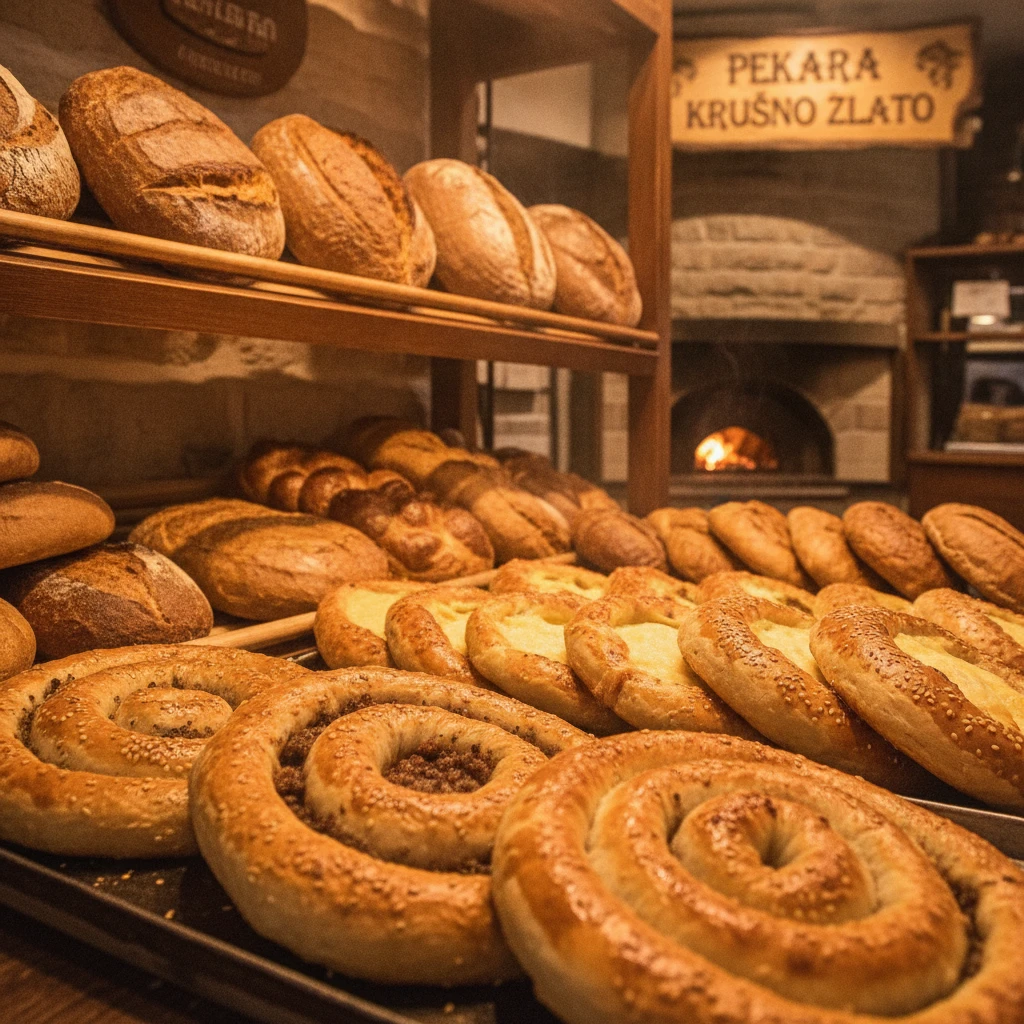
As Croatia continues to embrace its Euro adoption, the culinary landscape, particularly in street food and bakeries, has seen a notable shift in pricing. The inflationary pressures following the Euro's introduction have led to a moderate increase in food prices, yet the affordability of local delicacies like Burek and pastries remains a highlight for tourists. Visitors can expect to pay between 2.50 € to 5 € for a piece of Burek, depending on the filling and location.
- Informative estimated average prices in Euros (€)
- Transparent low vs. high peak season price breakdown below
Comprehensive Price Breakdown & Comparison Table 2026
| Item | Low Season Price (€) | High Season Price (€) | Notes |
|---|---|---|---|
| Burek (meat) | 3 | 5 | Popular choice, often found in bakeries |
| Burek (cheese) | 2.50 | 4 | Vegetarian option available |
| Croatian Pastries (Kiflice) | 1.50 | 3 | Sweet and savory varieties |
| Pogača (flatbread) | 1 | 2.50 | Common side dish |
| Savory Pastries (Zapečeni Krompir) | 4 | 6 | Hearty and filling |
| Sweet Pastries (Baklava) | 2 | 4 | Rich and sweet dessert |
| Coffee (Espresso) | 1.20 | 2.50 | Essential part of Croatian culture |
| Local Beer | 2 | 4 | Popular refreshment |
| Soft Drinks | 1 | 2 | Variety of options available |
| Lunch Special (Marenda) | 5 | 10 | Great value for a filling meal |
Regional Price Variations (Islands vs Coastal vs Inland)
Prices for Burek and pastries can vary significantly across different regions of Croatia. Coastal areas, particularly tourist hotspots like Dubrovnik and Hvar, tend to have higher prices due to increased demand. For example, a piece of Burek in Dubrovnik may cost around 5 €, while in inland towns, it could be as low as 3 €. Islands like Korčula may offer a mix of both, with prices generally falling in between.
Insider Money-Saving Tips & Tourist Traps to Avoid
- Look for local lunch specials known as 'Marenda' which offer great value.
- Consider grocery shopping at local markets for fresh ingredients and snacks.
- Avoid dynamic currency conversion at ATMs; always choose to pay in local currency.
- Be cautious of tourist traps in major cities; seek recommendations from locals.
- Tipping is appreciated but not obligatory; rounding up is often sufficient.
Payment Rules, Card Acceptance & Fiscal Receipts
In Croatia, it's essential to be aware of the fiscal law ('Fiskalni račun') which mandates that all businesses provide a receipt for transactions. While credit and debit cards are widely accepted, especially in urban areas and tourist spots, smaller bakeries and street vendors may only accept cash. Always ask for a receipt to ensure compliance with local regulations and for your own records.