Current Situation & Pricing Overview 2026 in Croatia
As Croatia continues to embrace its status as a premier travel destination, the prices for adventure activities have seen a notable shift following the adoption of the Euro. In 2026, tourists can expect to pay slightly higher prices due to inflation, but the overall cost remains competitive compared to other Mediterranean destinations. The coastal regions, with their stunning beaches and vibrant marine life, are particularly popular for water sports, attracting thrill-seekers from around the globe.
With the Euro now the official currency, visitors will find it easier to budget for their adventures. Prices for activities like kayaking, scuba diving, and jet skiing vary based on the season, location, and type of service. High season (July-August) typically sees a surge in prices, while low season (May-June, September-October) offers more budget-friendly options.
- Informative estimated average prices in Euros (€)
- Transparent low vs. high peak season price breakdown below
Comprehensive Price Breakdown & Comparison Table 2026
| Service | Low Season (€) | High Season (€) |
|---|---|---|
| Kayak Rental | 15 | 30 |
| Stand-Up Paddleboarding (SUP) | 20 | 40 |
| Scuba Diving | 50 | 120 |
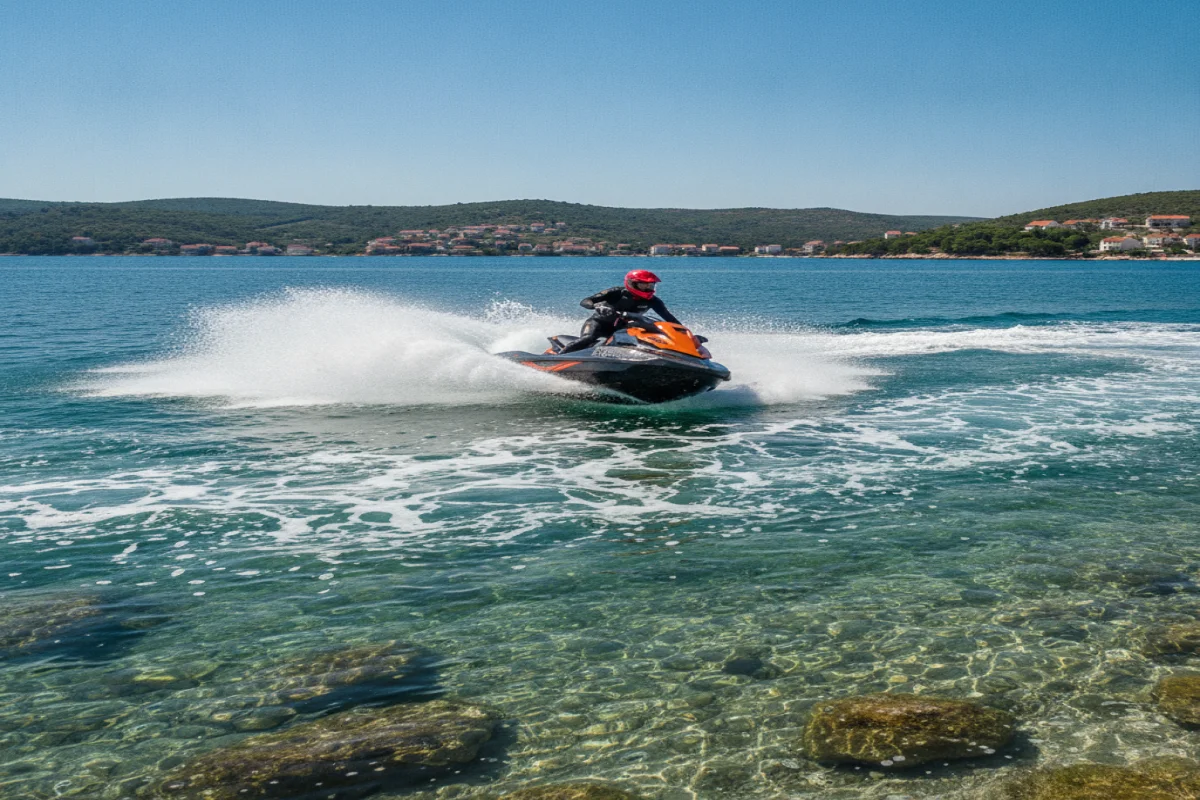
| Jet Ski Rental | 60 | 120 |
| Parasailing | 40 | 80 |
| Boat Tours | 30 | 150 |
| Wind Surfing Lessons | 50 | 100 |
| Canyoning | 70 | 150 |
| Kitesurfing Lessons | 80 | 200 |
| Fishing Charter | 200 | 500 |
Regional Price Variations (Islands vs Coastal vs Inland)
Prices for adventure activities can vary significantly across different regions of Croatia. Popular islands like Hvar and Korčula tend to have higher prices due to their tourist appeal and limited availability of services. In contrast, coastal towns such as Split and Dubrovnik offer a wider range of options, often at competitive prices due to higher competition among providers.
Inland areas, while less frequented by tourists, can provide more affordable adventure experiences, particularly for activities like hiking and cycling. However, for water sports, the coastal regions remain the prime choice, offering unparalleled access to the Adriatic Sea.
Insider Money-Saving Tips & Tourist Traps to Avoid
- Local Lunch Specials ('Marenda'): Look for local eateries that offer 'Marenda'—a traditional lunch special that is both affordable and delicious.
- Grocery Shopping Hacks: Purchase snacks and drinks from local supermarkets instead of tourist shops to save money.
- Avoid Dynamic Currency Conversion: Always choose to pay in Euros to avoid unfavorable exchange rates at ATMs or during card transactions.
- Tipping Etiquette: Tipping is appreciated but not mandatory; rounding up the bill or leaving a small tip (5-10%) is customary.
- Book in Advance: For popular activities, booking in advance can often secure better rates and ensure availability.
Payment Rules, Card Acceptance & Fiscal Receipts
In Croatia, it is common for businesses to accept both cash and cards, but it is advisable to carry some cash for smaller vendors or remote areas. According to Croatian fiscal law ('Fiskalni račun'), businesses are required to provide a fiscal receipt for all transactions. Always ask for a receipt, as this is important for warranty purposes and can be useful if any disputes arise.
While most tourist areas accept major credit cards, some smaller establishments may only accept cash. Be sure to check before making a purchase to avoid any inconveniences.