Current Situation & Pricing Overview 2026 in Croatia
As Croatia continues to attract millions of tourists each year, the boat excursion market has seen significant changes following the adoption of the Euro in 2023. Prices have adjusted due to inflation and increased demand, leading to a diverse range of options for visitors. In 2026, tourists can expect to pay between 30 € to over 1,200 € depending on the type of excursion, season, and service level.
- Informative estimated average prices in Euros (€)
- Transparent low vs. high peak season price breakdown below
Comprehensive Price Breakdown & Comparison Table 2026
| Service | Low Season Price (€) | High Season Price (€) | Notes |
|---|---|---|---|
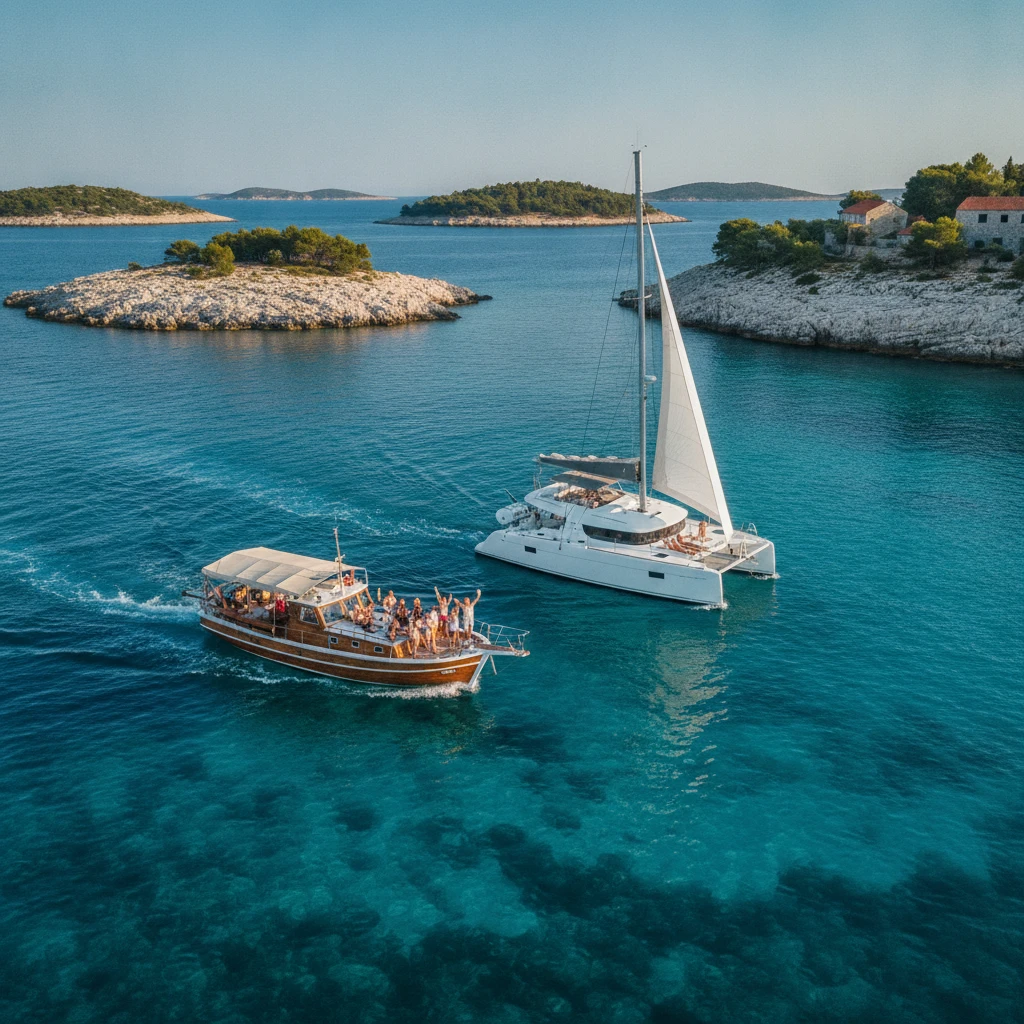
| Half-Day Boat Tour | 40 € | 80 € | Includes snacks and drinks |
| Full-Day Private Yacht Charter | 600 € | 1,200 € | Excludes fuel costs |
| Island Hopping Tour | 50 € | 100 € | Multiple islands included |
| Fishing Excursion | 70 € | 150 € | Equipment included |
| Snorkeling Tour | 30 € | 70 € | Gear provided |
| Sunset Cruise | 40 € | 90 € | Includes drinks |
| Private Speedboat Rental | 300 € | 600 € | Fuel not included |
| Kayak Rental | 20 € | 40 € | Hourly rate |
| Diving Excursion | 60 € | 120 € | Certification required |
| Wine Tasting Boat Tour | 80 € | 150 € | Includes tastings |
Regional Price Variations (Islands vs Coastal vs Inland)
Pricing for boat excursions can vary significantly across different regions of Croatia. Popular islands like Hvar and Korčula often have higher prices due to their tourist appeal and limited availability. In contrast, coastal towns such as Split and Dubrovnik may offer a wider range of options, catering to both budget and luxury travelers. Inland areas typically have fewer boat excursions, and prices are generally lower.
Insider Money-Saving Tips & Tourist Traps to Avoid
- Local Lunch Specials: Look for 'Marenda' deals in local restaurants, which often provide great value for money.
- Grocery Shopping Hacks: Purchase snacks and drinks from local supermarkets rather than tourist shops to save money.
- Avoid Dynamic Currency Conversion: Always choose to pay in Euros to avoid unfavorable exchange rates.
- ATM Traps: Use ATMs located in banks to avoid high withdrawal fees.
- Tipping Etiquette: A tip of 10% is appreciated but not mandatory; rounding up the bill is common.
Payment Rules, Card Acceptance & Fiscal Receipts
In Croatia, it is essential to understand the fiscal law ('Fiskalni račun') which mandates that businesses issue receipts for all transactions. While credit and debit cards are widely accepted, especially in tourist areas, it's advisable to carry some cash for smaller establishments. Always ask for a receipt, as it is crucial for any potential disputes or refunds.