Current Situation & Pricing Overview 2026 in Croatia
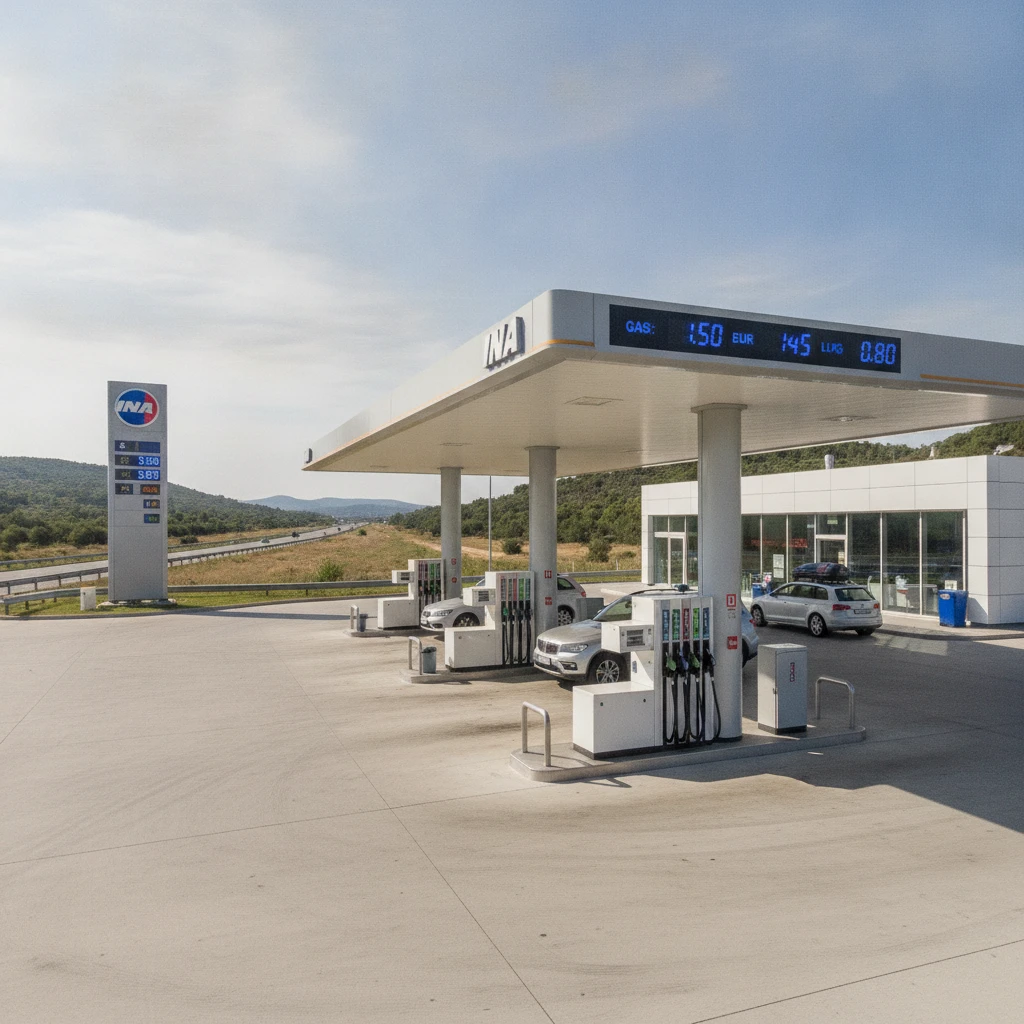
As Croatia transitions fully into the Eurozone, fuel prices have seen a notable adjustment. The adoption of the Euro has led to a general increase in living costs, including fuel and EV charging rates. In 2026, travelers can expect to pay between 1.50 € and 1.80 € for unleaded petrol and between 1.40 € and 1.70 € for diesel. The rise in prices is influenced by global oil market fluctuations and local economic conditions.
- Informative estimated average prices in Euros (€)
- Transparent low vs. high peak season price breakdown below
Comprehensive Price Breakdown & Comparison Table 2026
| Service | Low Season | High Season |
|---|---|---|
| Unleaded Petrol (95 Octane) | 1.50 € | 1.80 € |
| Diesel | 1.40 € | 1.70 € |
| EV Charging (Standard) | 0.20 € | 0.50 € |
| EV Charging (Fast Charge) | 0.50 € | 0.80 € |
| Car Wash | 5.00 € | 15.00 € |
| Parking (City Center) | 1.00 € | 3.00 € |
Regional Price Variations (Islands vs Coastal vs Inland)
When traveling through Croatia, price variations can be significant depending on the region. Coastal areas, especially tourist hotspots like Hvar and Dubrovnik, tend to have higher fuel prices due to increased demand and transportation costs. In contrast, inland areas such as Slavonia may offer more competitive pricing. For instance, while fuel in Split may reach up to 1.80 €, in Osijek, it might be closer to 1.50 €.
Insider Money-Saving Tips & Tourist Traps to Avoid
- Lunch Specials: Look for 'Marenda' deals in local eateries, which often provide hearty meals at reduced prices.
- Grocery Shopping: Stock up on snacks and drinks at supermarkets rather than convenience stores to save money.
- Dynamic Currency Conversion: Avoid using this option at ATMs or card machines, as it often results in unfavorable exchange rates.
- Tipping Etiquette: While not obligatory, rounding up the bill or leaving a small tip is appreciated in restaurants.
Payment Rules, Card Acceptance & Fiscal Receipts
In Croatia, both cash and card payments are widely accepted, though having some cash on hand is advisable, especially in rural areas. Croatian fiscal law requires businesses to issue a fiscal receipt ('Fiskalni račun') for all transactions, which is important for your records and can be requested at any time. Always check if your card is accepted before filling up your tank, as some smaller stations may only take cash.