Current Situation & Pricing Overview 2026 in Croatia
As Croatia continues to embrace the Euro, the landscape of daily expenses has evolved significantly. The transition to the Euro has led to a mix of price stability and inflation, with many goods and services experiencing slight increases. Visitors in 2026 can expect to navigate a range of prices influenced by seasonal demand, especially in coastal areas known for their stunning beaches and vibrant marine activities.
- Informative estimated average prices in Euros (€)
- Transparent low vs. high peak season price breakdown below
Comprehensive Price Breakdown & Comparison Table 2026
| Item/Service | Low Season Price (€) | High Season Price (€) |
|---|---|---|
| Meal at a mid-range restaurant | 15 € | 30 € |
| Local beer (0.5L) | 3 € | 5 € |
| Public transportation ticket | 1.50 € | 3 € |
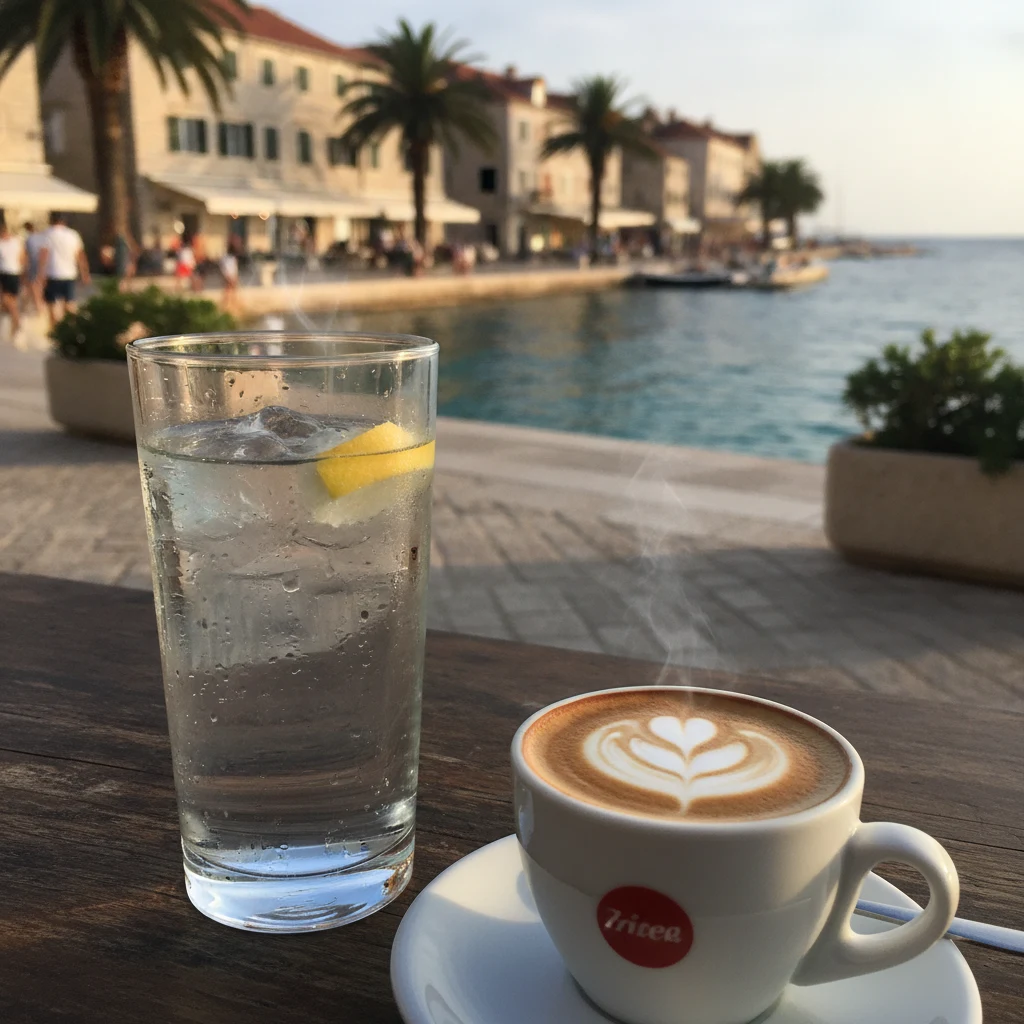
| Coffee at a café | 1.50 € | 4 € |
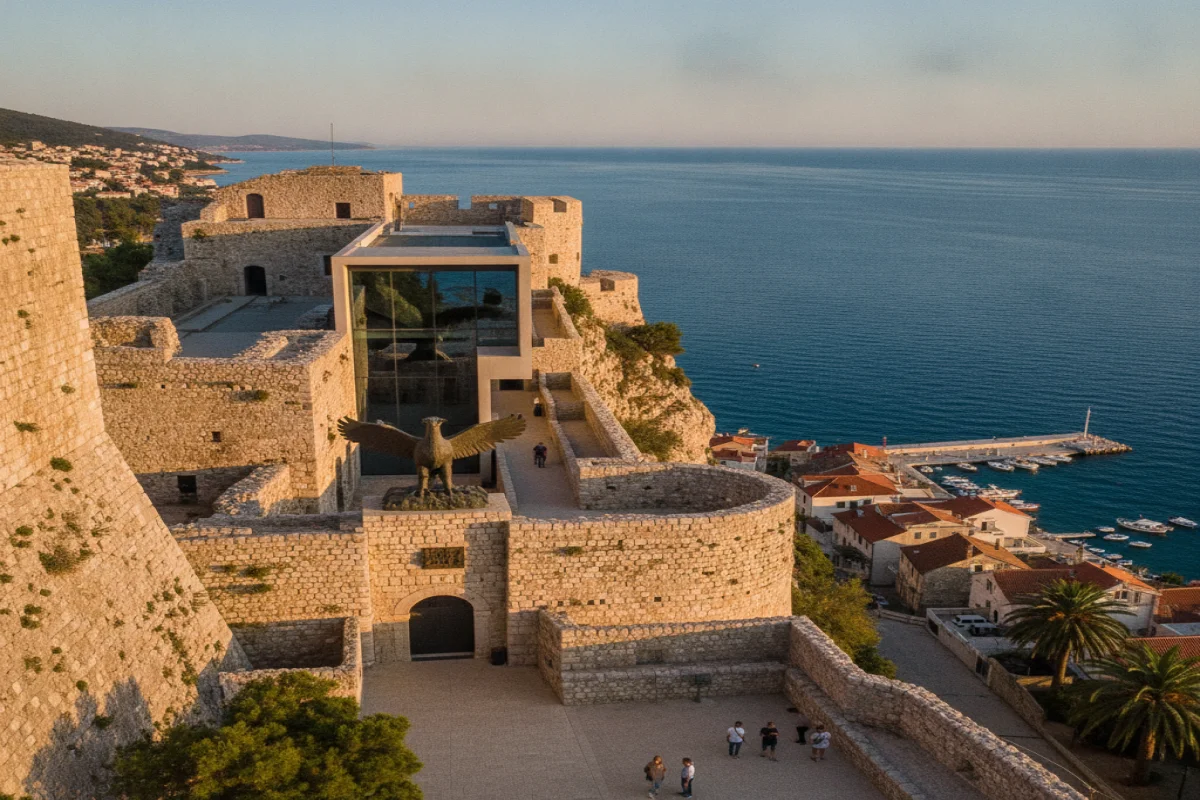
| Entrance fee to a museum | 5 € | 15 € |
| Daily car rental | 30 € | 70 € |
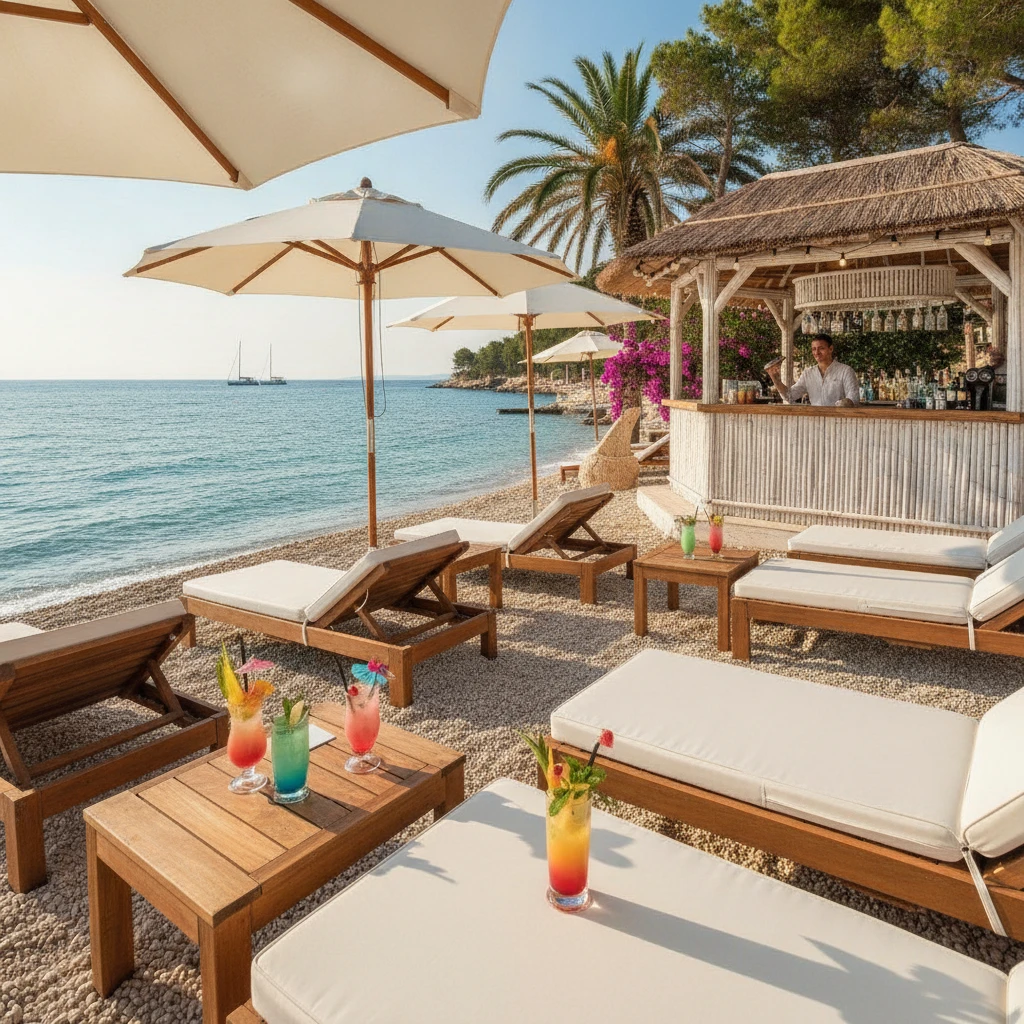
| Sunbed rental at the beach | 10 € | 20 € |
| Grocery shopping for essentials | 30 € | 50 € |
| Boat tour | 40 € | 100 € |
| Wine tasting experience | 15 € | 50 € |
Regional Price Variations (Islands vs Coastal vs Inland)
Prices in Croatia can vary significantly based on location. Coastal regions, especially popular islands like Hvar and Korčula, often see higher prices due to their tourist appeal. In contrast, inland areas may offer more affordable options. For example:
- Hvar: Known for luxury, expect higher dining and accommodation costs.
- Dubrovnik: A UNESCO World Heritage site, prices can be steep, especially in the Old Town.
- Split: Offers a mix of budget and luxury, with more reasonable prices than Dubrovnik.
- Inland regions: Generally more affordable, with local markets providing great value for food.
Insider Money-Saving Tips & Tourist Traps to Avoid
To make the most of your budget while enjoying Croatia, consider these tips:
- Marenda: Look for local lunch specials, often served at a reduced price.
- Grocery Shopping: Buy essentials at supermarkets rather than convenience stores.
- ATM Usage: Avoid dynamic currency conversion at ATMs; choose to pay in local currency.
- Tipping: While not mandatory, rounding up the bill or leaving 10% is appreciated in restaurants.
Payment Rules, Card Acceptance & Fiscal Receipts
In Croatia, cash is still king in many smaller establishments, but credit and debit cards are widely accepted in urban areas and tourist hotspots. It is crucial to ask for a fiscal receipt ('Fiskalni račun') when making purchases, as this is a legal requirement in Croatia and protects you in case of disputes.
Overall, understanding the local pricing landscape and employing smart budgeting strategies will enhance your experience in Croatia, allowing you to enjoy its breathtaking beaches and rich culture without financial stress.