Current Situation & Pricing Overview 2026 in Croatia
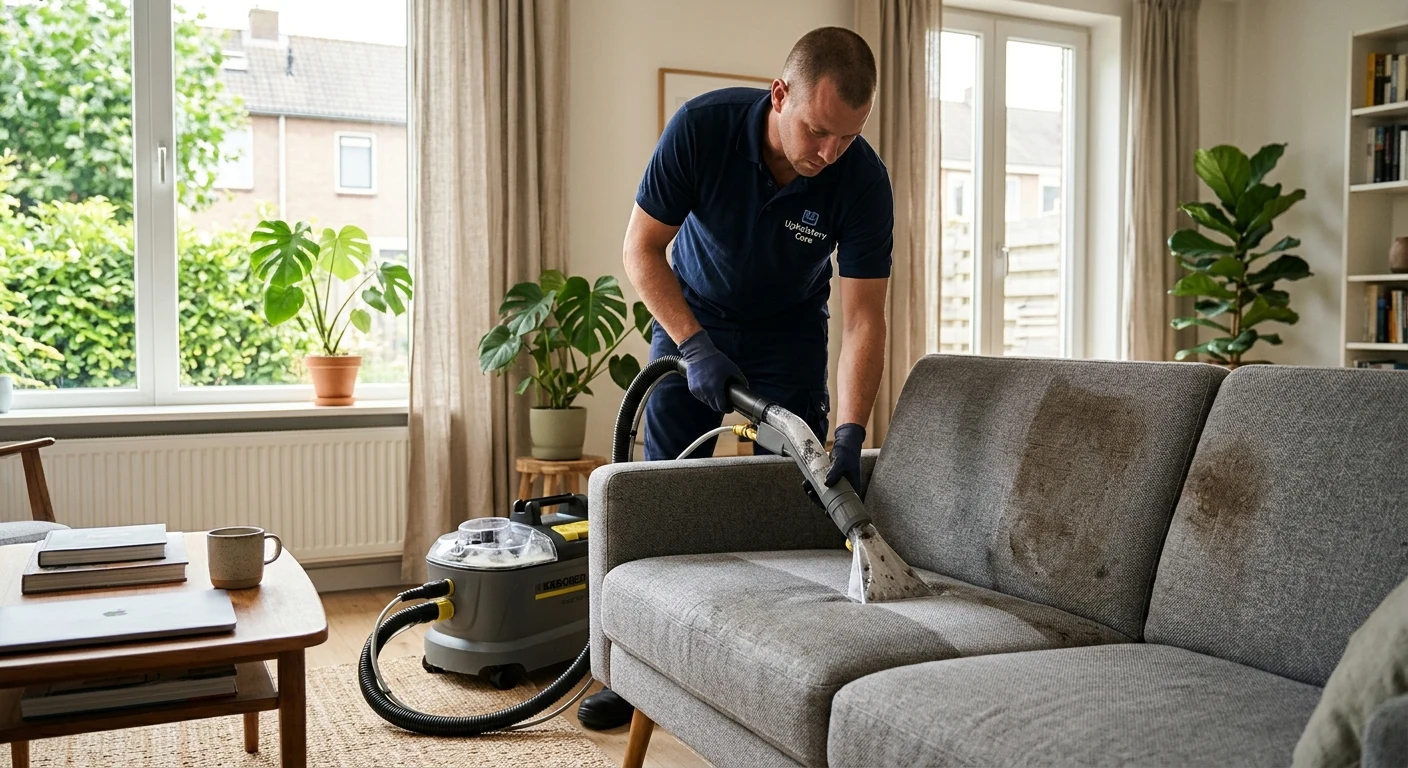
As Croatia continues to attract millions of tourists each year, the demand for cleanliness and hygiene in accommodations has surged, particularly in upholstery and mattress cleaning services. Following the adoption of the Euro, prices have seen a moderate increase due to inflation, but they remain competitive compared to other European destinations. Visitors can expect to pay between 30 € and 180 € for various cleaning services, depending on the type and extent of cleaning required.
- Informative estimated average prices in Euros (€)
- Transparent low vs. high peak season price breakdown below
Comprehensive Price Breakdown & Comparison Table 2026
| Service | Low Season Price (€) | High Season Price (€) |
|---|---|---|
| Sofa Cleaning | 50 | 120 |
| Mattress Cleaning | 30 | 80 |
| Armchair Cleaning | 25 | 70 |
| Carpet Cleaning | 15 | 50 |
| Upholstery Stain Removal | 20 | 60 |
| Deep Cleaning Package (Sofa + Mattress) | 70 | 180 |
Regional Price Variations (Islands vs Coastal vs Inland)
Prices for upholstery and mattress cleaning can vary significantly across different regions of Croatia. Coastal areas such as Dubrovnik and Split tend to have higher rates due to the influx of tourists and the demand for quick service. In contrast, inland areas may offer more competitive pricing. Islands like Hvar and Korčula may also see a price increase during peak tourist seasons, but local providers often offer package deals that can be more economical.
Insider Money-Saving Tips & Tourist Traps to Avoid
- Local Lunch Specials ('Marenda'): Enjoy affordable local meals during lunch hours, which can help you save money on dining out.
- Grocery Shopping Hacks: Buy cleaning supplies at local supermarkets instead of tourist shops for better prices.
- Avoid Dynamic Currency Conversion: Always choose to pay in local currency (HRK) when using your card to avoid unfavorable exchange rates.
- Tipping Etiquette: While not mandatory, rounding up the bill or leaving a small tip is appreciated in Croatia.
Payment Rules, Card Acceptance & Fiscal Receipts
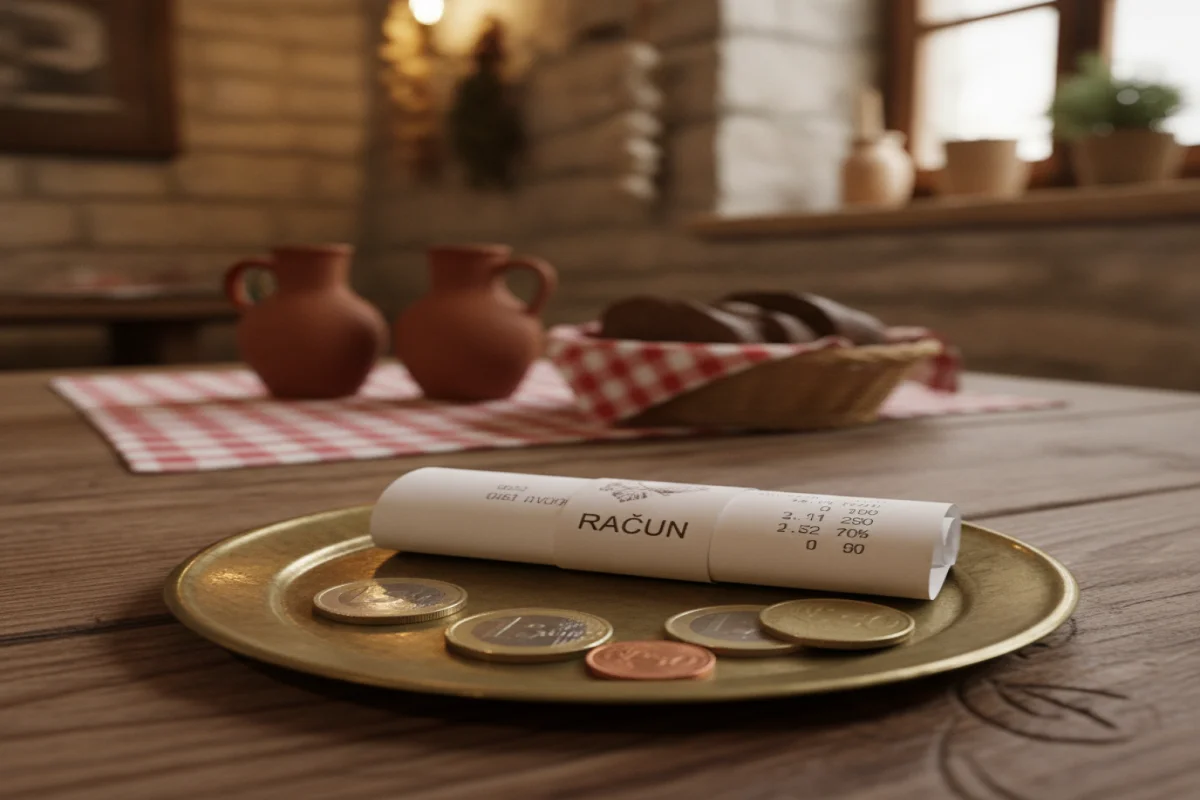
In Croatia, it is essential to request a fiscal receipt ('Fiskalni račun') after any service, including cleaning. This receipt is crucial for tax purposes and ensures that the service provider is compliant with Croatian law. While most establishments accept credit and debit cards, cash is still widely used, especially in smaller towns and islands. It is advisable to carry some cash for smaller transactions.