Current Situation & Pricing Overview 2026 in Croatia
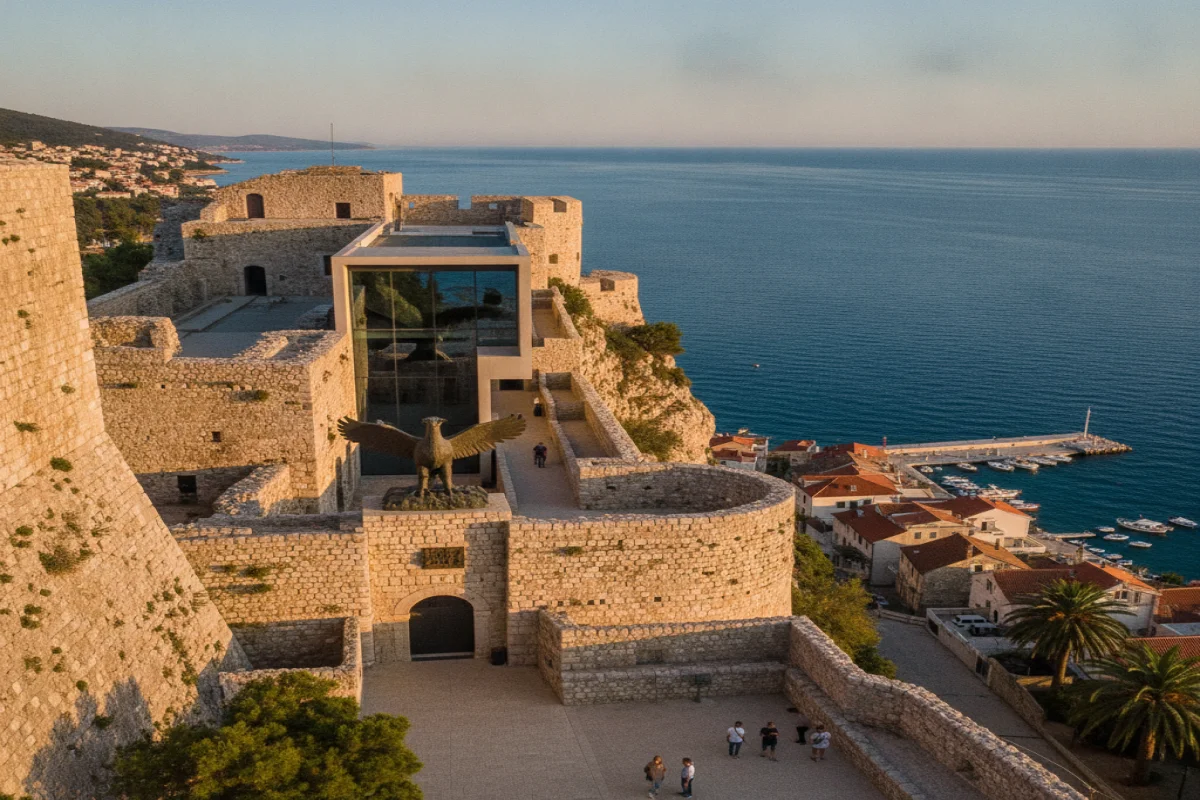
As Croatia continues to embrace its cultural heritage, the costs associated with visiting museums, fortresses, and historical sites have seen a notable shift following the adoption of the Euro. In 2026, visitors can expect to pay slightly higher fees compared to previous years, primarily due to inflation and increased maintenance costs. However, the prices remain reasonable, especially considering the rich history and stunning architecture that these sites offer.
On average, entrance fees for major attractions range from 5 € to 40 €, depending on the site's popularity and location. Coastal regions, particularly those frequented by tourists, tend to have higher prices compared to inland areas.
- Informative estimated average prices in Euros (€)
- Transparent low vs. high peak season price breakdown below
Comprehensive Price Breakdown & Comparison Table 2026
| Service | Low Season Price (€) | High Season Price (€) |
|---|---|---|
| Dubrovnik City Walls | 30 | 40 |
| Split Diocletian's Palace | 15 | 25 |
| Hvar Fortress | 10 | 15 |
| Rovinj Heritage Museum | 8 | 12 |
| Zagreb Museum of Broken Relationships | 10 | 15 |
| Korčula Town Museum | 5 | 10 |
| Pula Arena | 12 | 20 |
| National Park Krka | 15 | 30 |
| Museum of Contemporary Art, Zagreb | 8 | 12 |
| Trogir Historical Centre | 10 | 15 |
Regional Price Variations (Islands vs Coastal vs Inland)
When exploring Croatia, it's essential to understand the regional price variations. Coastal areas, especially hotspots like Dubrovnik and Split, often charge higher fees due to their popularity among tourists. In contrast, inland regions like Slavonia or the less-visited parts of Istria may offer lower prices, making them attractive for budget-conscious travelers.
For instance, while a visit to the Dubrovnik City Walls may cost around 40 € during peak season, a similar experience at the Korčula Town Museum may only set you back 10 €. Islands like Hvar and Korčula are known for their stunning views and historical sites, but expect to pay a premium for the experience.
Insider Money-Saving Tips & Tourist Traps to Avoid
- Lunch Specials: Look for local 'Marenda' specials, which are affordable lunch options typically offered in restaurants.
- Grocery Shopping: Purchase snacks and drinks from local grocery stores instead of tourist shops to save money.
- ATM Traps: Avoid dynamic currency conversion at ATMs, as it often results in unfavorable exchange rates. Always choose to be charged in local currency.
- Tipping Etiquette: Tipping is appreciated but not mandatory. A small tip (5-10%) is sufficient for good service.
- Free Days: Some museums offer free entry on specific days of the month. Check their websites for details.
Payment Rules, Card Acceptance & Fiscal Receipts
In Croatia, fiscal law requires businesses to issue a 'Fiskalni račun' (fiscal receipt) for every transaction. This is important for tax purposes and can be requested at any establishment. Most museums and historical sites accept credit cards, but it's wise to carry some cash, especially in smaller towns or for smaller vendors.
When using a card, ensure that the transaction is processed in Euros to avoid unfavorable conversion rates. Always ask for a receipt, as it can be useful for expense tracking and potential refunds.