Current Situation & Pricing Overview 2026 in Croatia
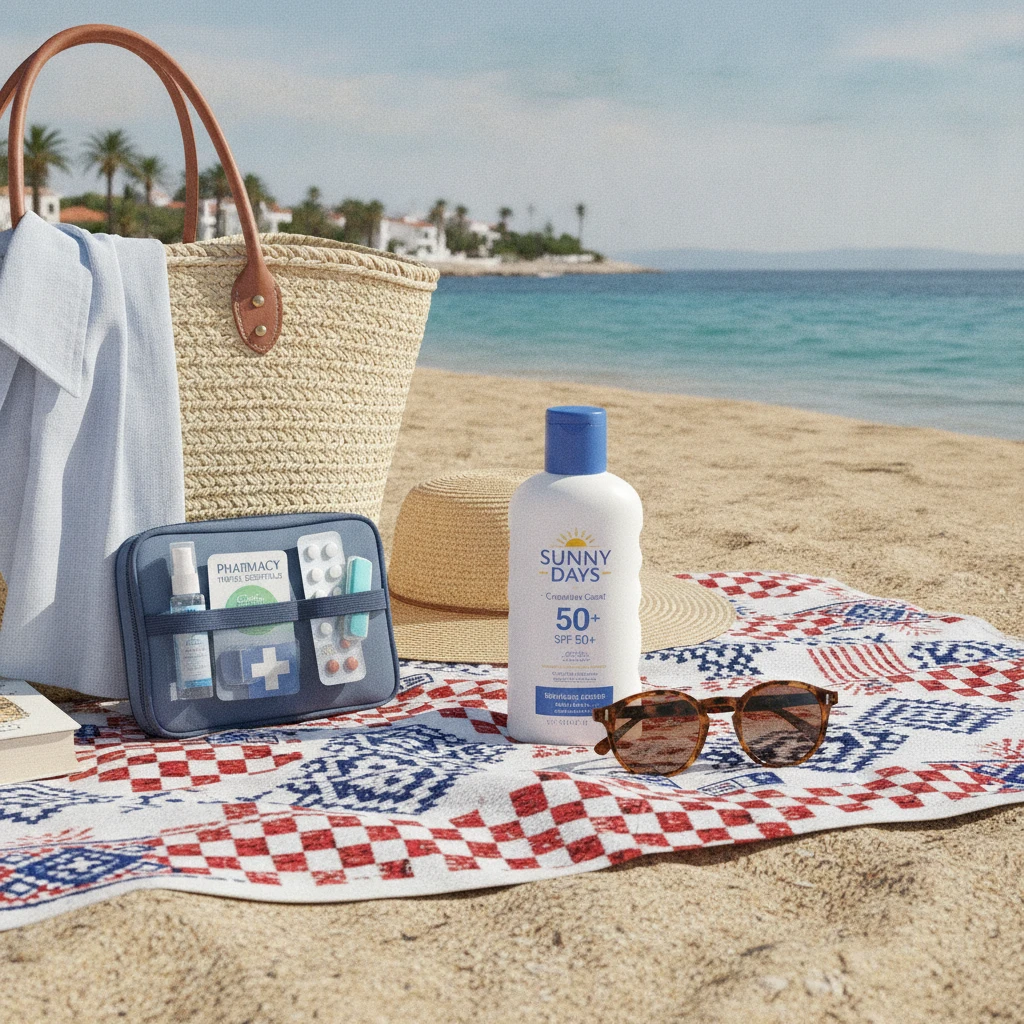
As Croatia continues to thrive as a popular tourist destination, the adoption of the Euro has brought about noticeable changes in the pricing landscape. In 2026, tourists can expect pharmacy prices to reflect a blend of local economic conditions and the global inflationary trends. While some prices have stabilized, others, particularly in high-demand tourist areas, have seen increases. Visitors should be prepared for a range of prices, especially for essential items like sunscreen and skincare products, which are crucial for enjoying Croatia's beautiful beaches.
- Informative estimated average prices in Euros (€)
- Transparent low vs. high peak season price breakdown below
Comprehensive Price Breakdown & Comparison Table 2026
| Item/Service | Low Season Price (€) | High Season Price (€) |
|---|---|---|
| Sunscreen (SPF 30) | 10 | 20 |
| After-sun lotion | 8 | 15 |
| Insect repellent | 5 | 12 |
| First aid kit | 15 | 30 |
| Pain relief medication (Ibuprofen) | 3 | 8 |
| Hydration tablets | 4 | 10 |
| Beach towel rental | 5 | 10 |
| Beach umbrella rental | 10 | 20 |
Regional Price Variations (Islands vs Coastal vs Inland)
Price variations in Croatia can be significant depending on the region. Coastal areas, especially popular tourist destinations like Dubrovnik and Split, tend to have higher prices for pharmacy items compared to inland regions. Islands such as Hvar and Korčula also reflect this trend, with prices often inflated due to transportation costs and demand during peak season. In contrast, smaller towns and inland areas may offer more competitive pricing, making them ideal for budget-conscious travelers.
Insider Money-Saving Tips & Tourist Traps to Avoid
- Local Lunch Specials ('Marenda'): Look for 'Marenda' deals in local eateries, which often provide affordable meals.
- Grocery Shopping Hacks: Purchase beach essentials from local supermarkets or stores instead of pharmacies for better prices.
- Avoid Dynamic Currency Conversion: Always choose to pay in Euros to avoid unfavorable exchange rates when using credit cards.
- Tipping Etiquette: Tipping is appreciated but not mandatory; rounding up the bill is common practice.
Payment Rules, Card Acceptance & Fiscal Receipts
In Croatia, most pharmacies accept major credit and debit cards, but it's advisable to carry some cash, especially in smaller towns or during off-peak hours. According to Croatian fiscal law, always ask for a fiscal receipt ('Fiskalni račun') when making a purchase. This is not only a legal requirement but also ensures that you have proof of purchase for any potential returns or warranty claims.