Current Situation & Pricing Overview 2026 in Croatia
As Croatia continues to embrace its status as a premier travel destination, the culinary scene, particularly for pizza and pasta, has evolved significantly. Following the adoption of the Euro, prices have seen a moderate increase due to inflation and rising operational costs. Visitors can expect to pay between 7 € to 22 € for various pizza and pasta dishes, depending on the location and season.
In 2026, dining out remains an affordable option for travelers, especially when compared to Western European countries. Coastal regions, particularly during the summer tourist season, may see higher prices, while inland areas offer more budget-friendly choices.
- Informative estimated average prices in Euros (€)
- Transparent low vs. high peak season price breakdown below
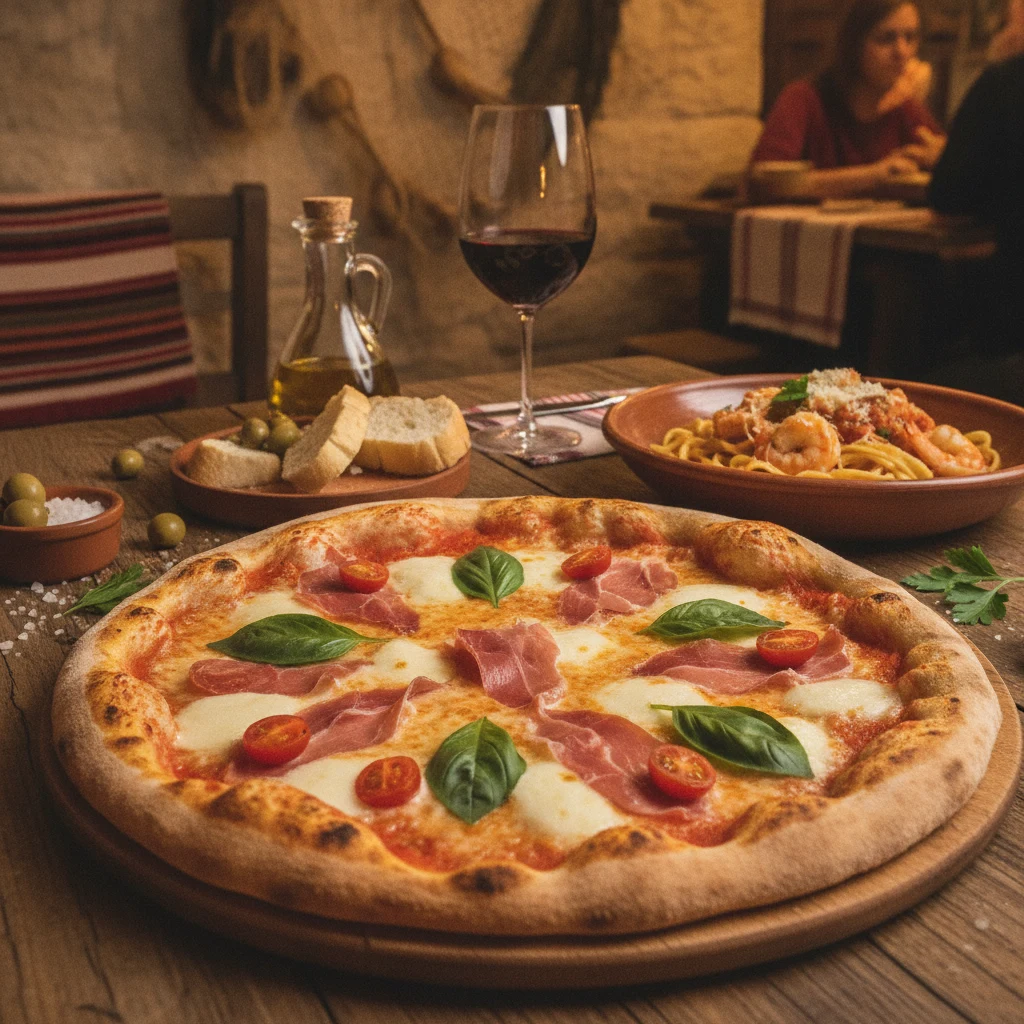
Comprehensive Price Breakdown & Comparison Table 2026
| Dish | Low Season Price (€) | High Season Price (€) | Budget Range (€) | Luxury Range (€) |
|---|---|---|---|---|
| Margherita Pizza | 8 | 15 | 8 - 10 | 12 - 15 |
| Pasta Carbonara | 9 | 16 | 9 - 12 | 14 - 16 |
| Seafood Pasta | 12 | 22 | 12 - 15 | 18 - 22 |
| Vegetable Pizza | 7 | 14 | 7 - 9 | 12 - 14 |
| Lasagna | 10 | 18 | 10 - 12 | 16 - 18 |
Regional Price Variations (Islands vs Coastal vs Inland)
Prices for pizza and pasta can vary significantly across different regions of Croatia. Coastal areas and popular islands like Hvar and Korčula tend to have higher prices due to their tourist-centric economies. In contrast, cities like Split and Dubrovnik may offer a range of options from budget to luxury, while inland regions such as Slavonia provide more affordable dining experiences.
- Hvar: Expect to pay premium prices, especially in tourist hotspots.
- Dubrovnik: High-end restaurants may charge upwards of 20 € for a pizza.
- Split: A mix of budget and mid-range options, with pizzas starting around 8 €.
- Rovinj: Similar to Split, with a focus on fresh ingredients and local flavors.
- Inland Areas: Generally more affordable, with prices for pasta dishes often below 10 €.
Insider Money-Saving Tips & Tourist Traps to Avoid
To make the most of your dining experience in Croatia, consider the following tips:
- Marenda: Look for local lunch specials, known as 'Marenda', which offer substantial meals at reduced prices.
- Grocery Shopping: Purchase fresh ingredients from local markets for a budget-friendly meal option.
- Avoid Tourist Traps: Restaurants in heavily touristed areas often charge more; seek out local eateries for authentic experiences.
- Dynamic Currency Conversion: Be cautious of ATMs and card payments that offer conversion to your home currency; it often comes with high fees.
- Tipping Etiquette: A 10% tip is appreciated but not obligatory; round up the bill if service was good.
Payment Rules, Card Acceptance & Fiscal Receipts
In Croatia, it is essential to understand the local payment rules:
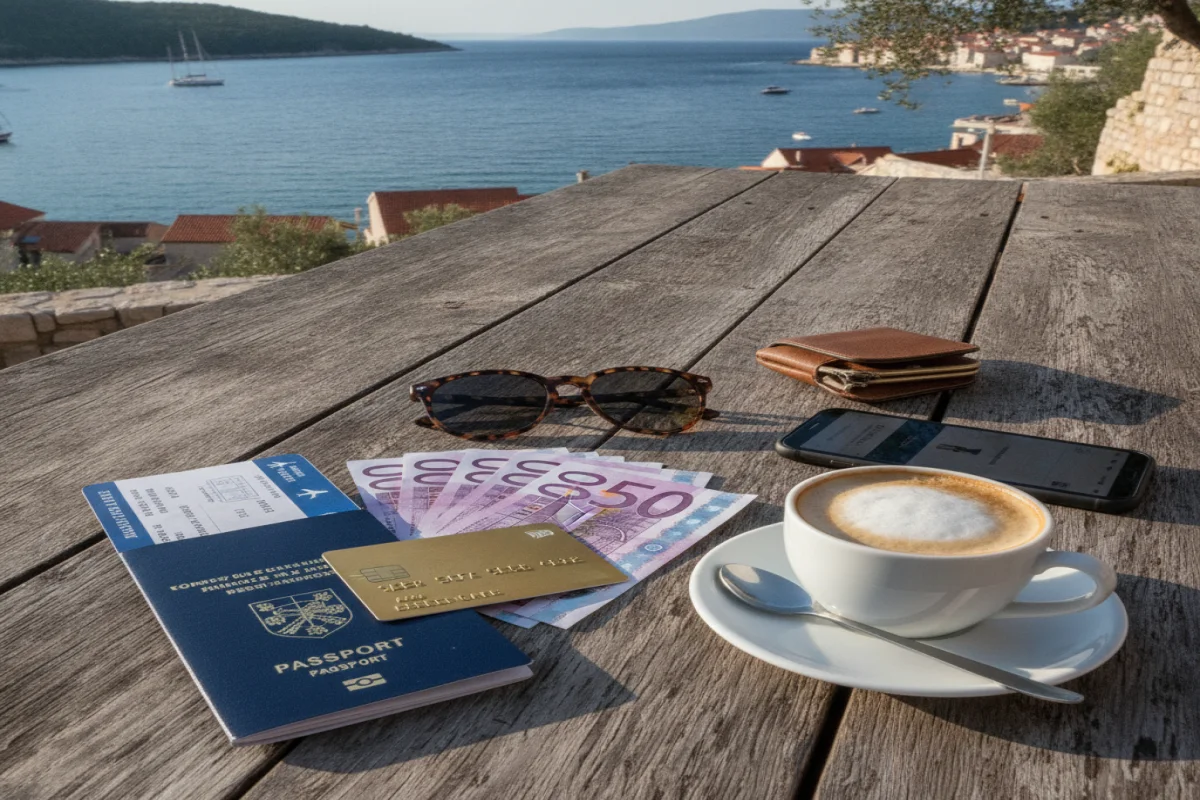
- Card Acceptance: Most restaurants accept major credit and debit cards, but it's advisable to carry some cash, especially in smaller towns.
- Fiscal Receipts: Always ask for a 'Fiskalni račun' (fiscal receipt) to ensure your transaction is recorded for tax purposes; this is a legal requirement in Croatia.
- Cash vs. Card: While cards are widely accepted, cash can sometimes be more convenient, especially in rural areas.