Current Situation & Pricing Overview 2026 in Croatia
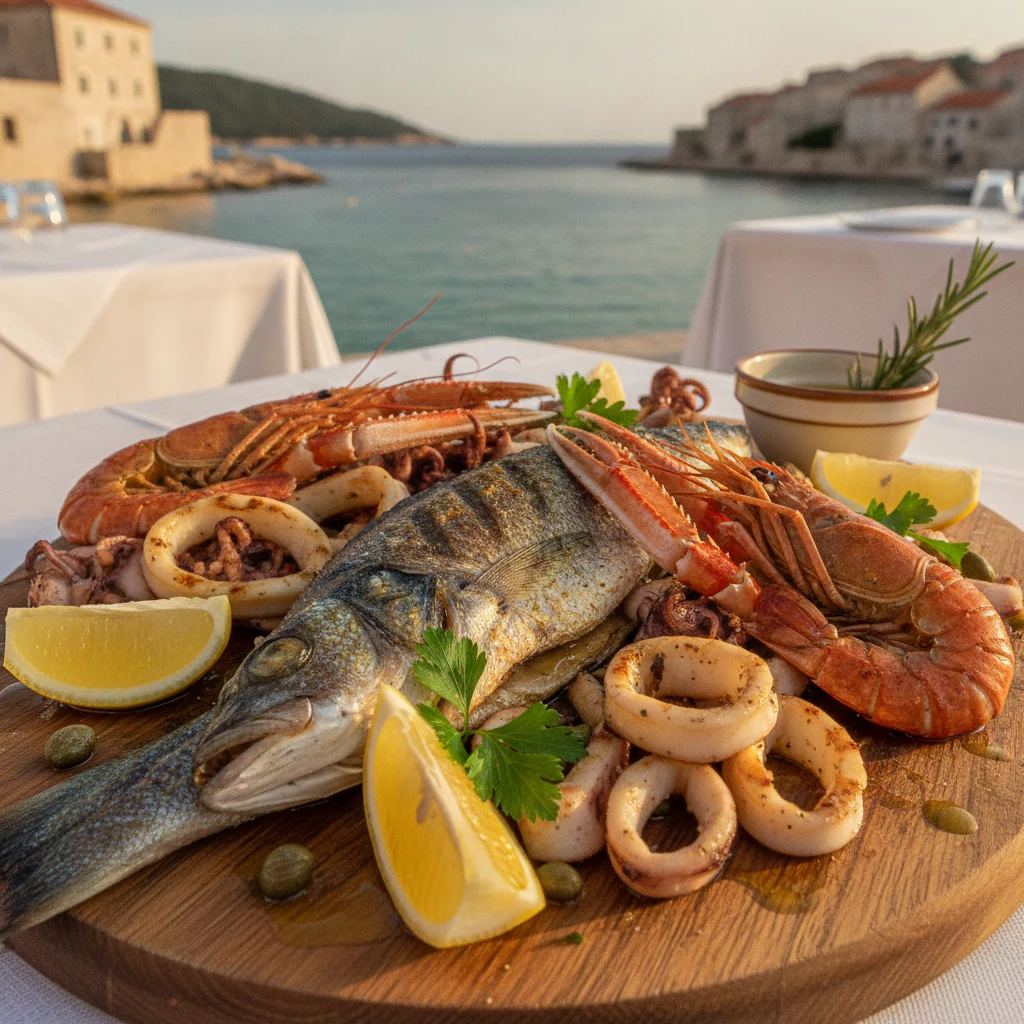
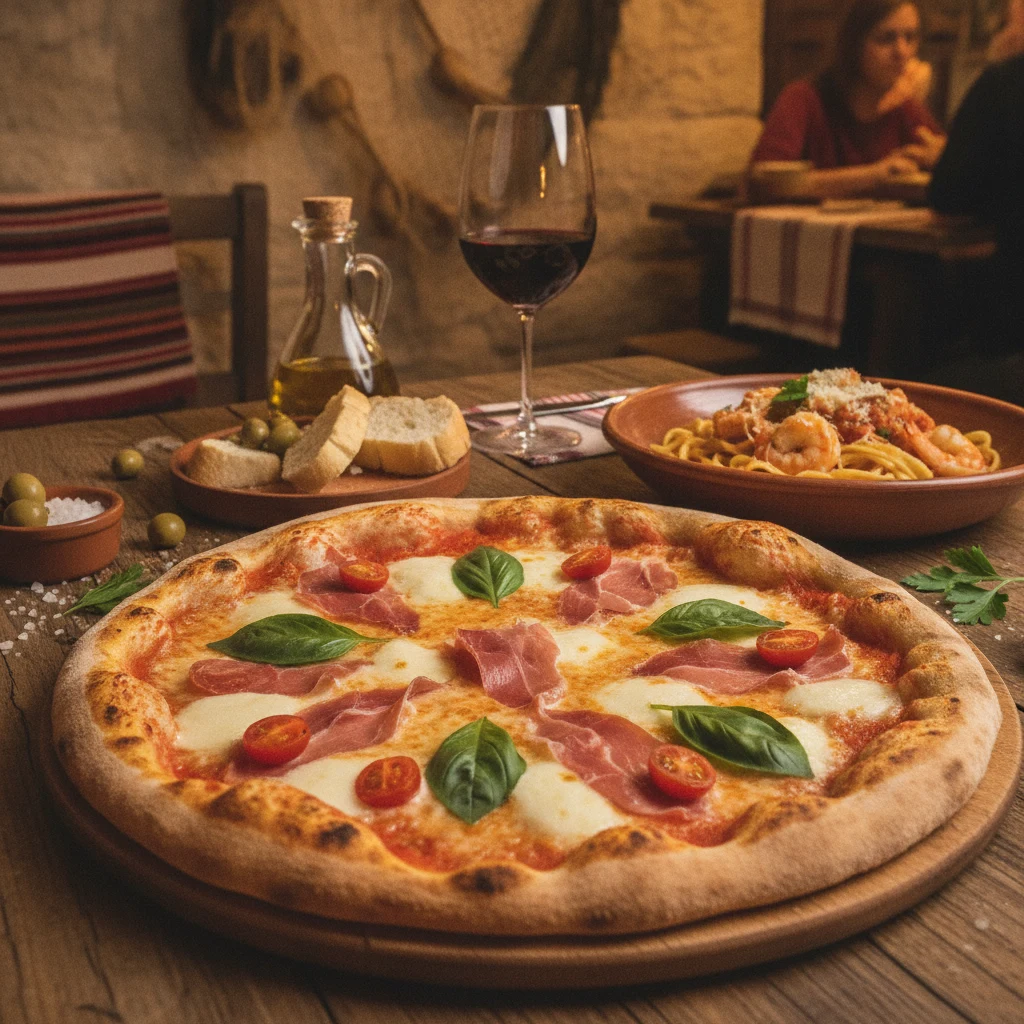
As Croatia continues to adapt to the Euro, the dining landscape has seen significant changes. Prices for pizza and pasta have fluctuated due to inflation and the increased cost of ingredients. Visitors can expect to pay slightly more than in previous years, but the quality and variety remain exceptional, especially in coastal regions where fresh seafood is abundant.
- Informative estimated average prices in Euros (€)
- Transparent low vs. high peak season price breakdown below
Comprehensive Price Breakdown & Comparison Table 2026
| Dish | Low Season Price (€) | High Season Price (€) | Budget Range (€) | Luxury Range (€) |
|---|---|---|---|---|
| Margherita Pizza | 7 | 12 | 7 - 10 | 10 - 12 |
| Pepperoni Pizza | 9 | 15 | 9 - 12 | 12 - 15 |
| Seafood Pasta | 12 | 20 | 12 - 15 | 15 - 20 |
| Penne Arrabbiata | 8 | 14 | 8 - 10 | 10 - 14 |
| Spaghetti Carbonara | 10 | 18 | 10 - 12 | 12 - 18 |
| Lasagna | 9 | 16 | 9 - 12 | 12 - 16 |
Regional Price Variations (Islands vs Coastal vs Inland)
Prices for pizza and pasta can vary significantly across Croatia's diverse regions. Coastal cities like Dubrovnik and Split tend to have higher prices due to their popularity among tourists. In contrast, smaller towns and inland areas often offer more budget-friendly options.
- Hvar Island: Known for its upscale dining, expect to pay a premium for pizza and pasta, especially in high season.
- Korčula: Offers a mix of affordable and mid-range dining options, with local seafood pasta being a highlight.
- Dubrovnik: Prices are on the higher end, especially in the Old Town. Look for lunch specials to save money.
- Split: A vibrant food scene with a range of prices; local eateries offer great value.
- Inland Areas: Generally more affordable, with hearty pasta dishes available at lower prices.
Insider Money-Saving Tips & Tourist Traps to Avoid
- Look for 'Marenda': Many restaurants offer a local lunch special called 'Marenda' which can be a great value.
- Grocery Shopping: Consider buying ingredients from local markets to prepare your own meals, especially if you have access to a kitchen.
- Avoid Dynamic Currency Conversion: Always choose to pay in the local currency to avoid unfavorable exchange rates.
- ATM Fees: Use ATMs that are affiliated with your bank to minimize withdrawal fees.
- Tipping Etiquette: While not mandatory, leaving a small tip (around 10%) is appreciated for good service.
Payment Rules, Card Acceptance & Fiscal Receipts
In Croatia, it is important to understand the local fiscal laws. Restaurants are required to provide a 'Fiskalni račun' (fiscal receipt) for all transactions. This receipt is crucial for any potential disputes or refunds. While credit cards are widely accepted, especially in tourist areas, carrying cash is advisable for smaller establishments or markets.
Overall, being informed about payment practices and dining costs will enhance your culinary experience in Croatia, allowing you to enjoy the rich flavors of pizza and pasta while managing your budget effectively.